


Table of Contents
Logistics and transportation have a major stake in beverage distribution, but the business cannot survive simply on scheduled order completion tactics. The supply chain market requires pre-analysis of the beverages’ demand. It helps the distributors to manage inventory, maintain on-time delivery, and also prevent over-stocking at the warehouses.
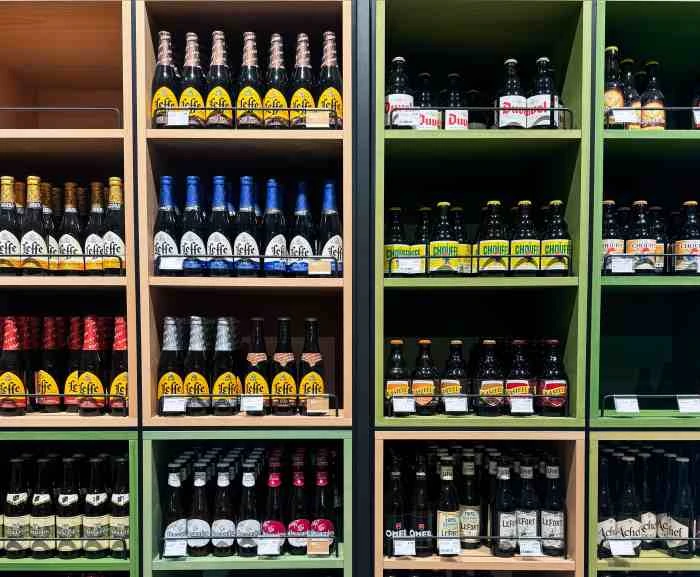
Holidays in the summer town, sporting events, get-togethers, etc. are the times when people feel the temptation to chill with drinks on the side. It is often seen that higher seasonal demands translate into rising logistics costs, missed delivery windows, and underutilized fleets. On the other hand, overestimation of potential purchases may end up with piles of unsold goods on the warehouse racks.
To keep an edge in the competition and maximize profit, the distributors need a software system that can forecast the beverage demands on a seasonal basis. Accordingly, they can keep stock reserves, strategize fleet availability, and rearrange route plans to reduce fuel consumption.
NextBillion.ai’s Route Optimization API bridges the gap between demand planning and last-mile execution by generating efficient, constraint-aware delivery routes that help distributors maximize fleet productivity, reduce transportation costs, and maintain service levels during peak seasons.
 We’ll read in detail about the necessity for beverage distributors to make seasonal demand analysis and how route optimization translates demand forecasts into efficient, reliable delivery operations.
Also Read: why holiday calendars matter in multi-region route planning.

Beverage distributors work hard with the sales data evaluation and estimating the market trends to interpret the recent or past responses by the customers. But predicting the seasonal demands is not enough for them. The entire effort goes in vain without efficient execution of deliveries.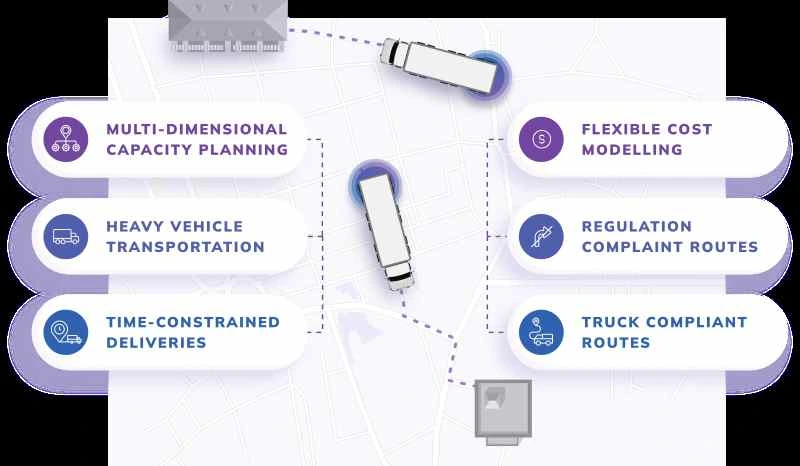
A sudden rise in demands primarily requires sufficient transportation resources, load management, delivery staff, and a reliable routing solution that can lead the transit process to finish the task on time. Even during seasonal peaks, beverage distributors face rapidly changing order volumes, tighter delivery windows, traffic disruptions, and limited transportation resources.
Without an intelligent execution strategy, even well-planned inventory and demand forecasts can result in delayed deliveries, higher transportation costs, and dissatisfied customers.
This is why route optimization has become a critical component for beverage distribution. It transforms seasonal demand planning into efficient, reliable delivery operations. Modern route optimization platforms improve service levels for beverage distributors while controlling logistics costs.
Also read: Understanding Beverage Delivery Route Optimization
The integrated ERP/RAS data, analytics reports, and powerful AI-driven forecasting models are becoming the key to generating sales values and product demands. These are definitely not a random guess but a calculated number that is often very close to the actual results.
There are advanced algorithms at the backend that adjust the engine to evaluate critical constraints like weather conditions, promotions, launches, and events. It figures out order suggestions, safety stocks, capacity plans, and much more for distribution managers.
Also Read: How routing algorithms actually decide.
Seasonal beverage demand planning soon becomes an integral part of the supply chain. Big business groups execute demand plans at large scale and need routing technology that can respond to real-world conditions in real time.
NextBillion is providing advanced AI route optimization capabilities that help beverage distributors optimize multi-stop deliveries, account for vehicle capacities and effective delivery time windows, and dynamically reroute vehicles as conditions change.
By integrating routing intelligence with forecasting and inventory planning systems, distributors can easily reduce transportation costs. It also improves fleet utilization, ensures on-time deliveries, and executes seasonal demand strategies more efficiently from warehouse to customer.
Successful beverage distribution is a combined effort of manual staff at different stages and technological solutions that enhance the output at multiple levels. When these resources work in silos, distributors often face stock imbalances, inefficient deliveries, delayed decision-making, and higher operating costs.
Route optimization in itself cannot accelerate the delivery process. Other departments like inventory, transport, loading, operations, or planners and decision makers need to work in alignment for seamless and efficient results. A connected logistics strategy ensures that every stage of the supply chain is aligned, enabling businesses to respond quickly to changing demand while maintaining service quality.
A connected seasonal logistics strategy for beverage distribution must focus on the customer’s demands, available stock, finance potential, and delivery resources. While route optimization plays a central role in this ecosystem, its full value is realized when it is integrated with the broader logistics technology stack.
The real-time conditions update continuously on the integrated model with telematics and automate the call for routing. A connected strategy wires the different components via APIs so that, for example, a promotion uplift forecast automatically increases safety stock at certain hubs, which then triggers more frequent routing runs for that region.
Connecting Planning with Execution:
Beverage demand tells about the trending products among the buyers, while inventory management is all about the items that should be stocked. Route optimization ensures the time and cost required for a particular product to reach these places and hence should be maintained well before the dispatch schedule.
Real-Time Visibility Across Operations
Distributors, warehouse managers, and transportation staff work on the same database. Decisions based on order updates, delivery schedules, traffic conditions, vehicle loading regulations, etc. are notified instantly to the system before the impact reaches the customer.
Seamless Integration with Enterprise Systems:
Modern logistics integrates the entire beverage distribution system, from warehouse management to transportation and, most importantly, the ERP or telematics software platforms. Manual data transfers were replaced by automated workflows across the supply chain.
Scalable Logistics for Seasonal Growth
Beverage orders rise and fall with seasonal demands, and the operations team must manage the fluctuations without sacrificing the delivery efficiency. An integrated technology system allows distributors to add vehicles, optimize additional delivery routes, onboard temporary drivers, and manage higher shipment volumes while maintaining operational control. This scalability helps businesses handle seasonal demand without significantly increasing costs.
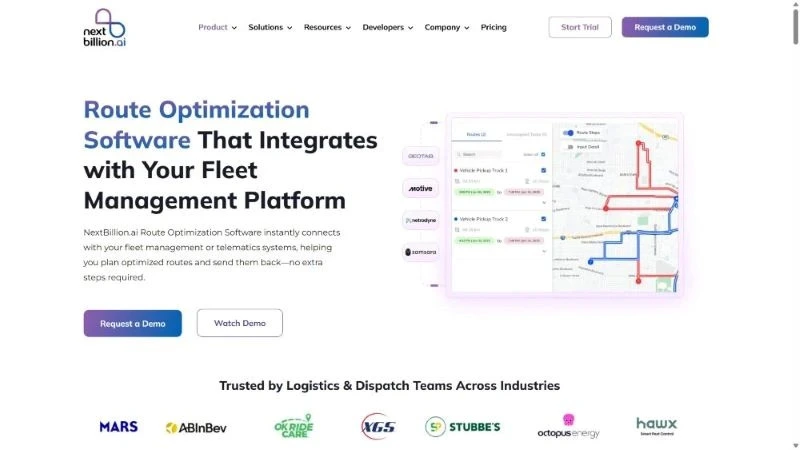
The NextBillion route optimization API is the key component of a connected logistics strategy. It serves as the AI-powered routing and location intelligence layer within a connected logistics ecosystem. The API-first platform integrates with existing TMS, WMS, ERP, OMS, fleet management, and telematics systems. This helps distributors to incorporate advanced route optimization without replacing their current technology stack.
The routing engine integrates with forecasting, inventory planning, warehouse operations, and fleet management systems. Beverage distributors can now build a more agile, resilient, and data-driven supply chain that is better equipped to handle seasonal demand fluctuations while delivering consistent customer service.
APIs that conjointly serve in seasonal demand planning and execution of strategies developed by beverage distributors.
Route Optimization API
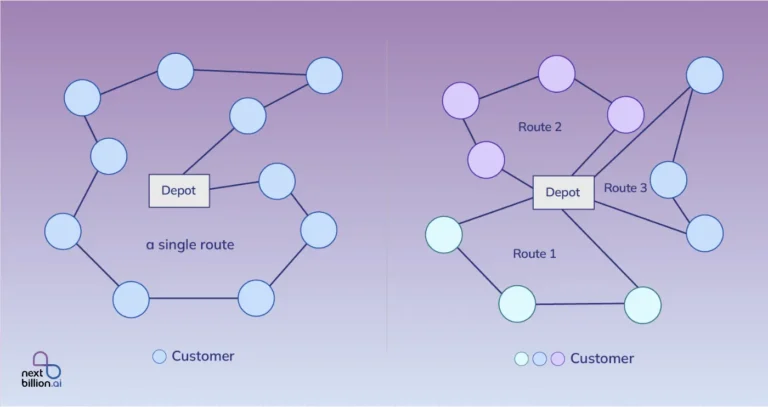
The Route optimization API evaluates all the constraints entered on the portal by the dispatch manager and generates multi-stop delivery routes for the delivery drivers. Depending upon the demand quantity and urgent delivery schedules, the tool automatically decides to assign the number of vehicles needed for task completion.
The routing system optimizes the loading procedures from the warehouse racks to the trucks and considers multiple stoppages, time windows, driver shifts, traffic conditions, and operational constraints. While maximizing fleet productivity, the tool also prioritizes fuel costs and delivery times consecutively.
Driver Assignment API
The Driver Assignment API accesses the telematics data relevant to the quantity of beverages ordered, number of stops, and regions to be covered on the task. Its role is assigning the right driver to the right vehicle and, based on their experience levels, allotting them the suitable delivery task.
During the peak seasons, it manages drivers’ shifts to maximize productivity and efficiently utilizes the shift hours in pickups and drop-offs. The automated process reduces dispatch delays, but if a driver unpredictably gets engaged in traffic, the tool has an option to assign a backup option too and accordingly re-optimizes the task.
Clustering API
NextBillion.ai’s Clustering API can intelligently group the delivery orders based on geographic proximity, travel distance, travel time, order quantity, and other configurable business constraints. This is important for beverage distributors because during seasonal peaks, they often need to manage thousands of deliveries across multiple service territories.
By grouping the delivery locations, it becomes easier to reach specific sections by dedicated delivery vehicles and serve them from chosen warehouses. While it reduces or balances the workload on the drivers, clustering stoppages also helps strategize on-time deliveries during seasonal beverage demand rises. The API also supports custom constraints such as cluster size, travel cost, and service radius, making it adaptable to different beverage distribution networks
Directions API
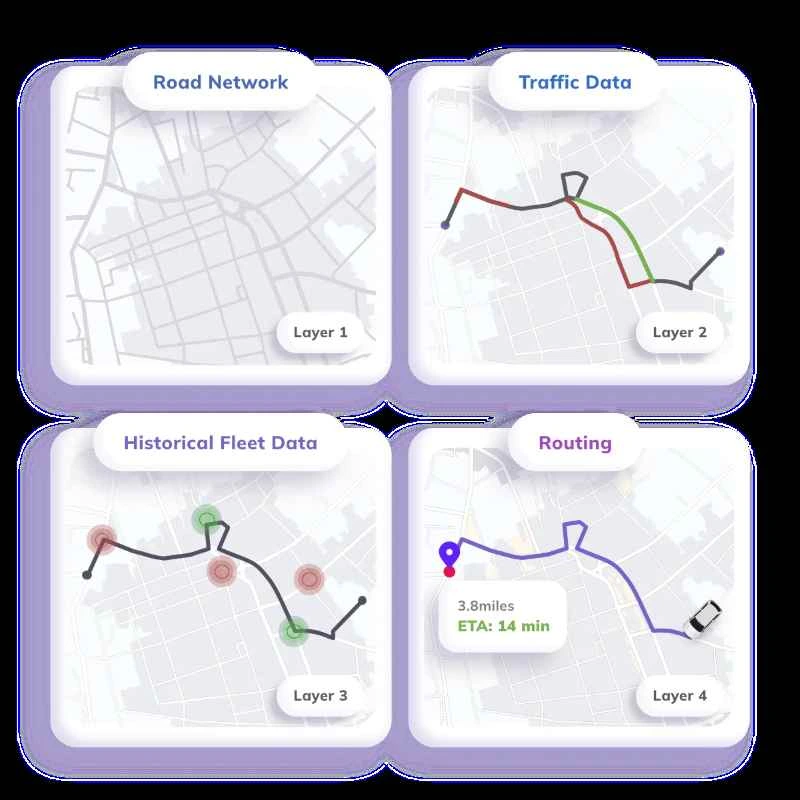
Directions API can calculate the best possible pathway between two stoppages. In the beverage distribution context, it could be finding an efficient route between two or more delivery locations for a delivery vehicle that has to serve multiple stops during seasonal peaks. The API uses real-time and historical traffic data to generate the route, but it equally considers vehicle-specific constraints like compliance issues for heightened or weighted vehicles to restrict them from certain overbridges or tunnels.
It helps drivers avoid delays, improve delivery accuracy, reduce fuel consumption, and consistently meet retailer delivery windows. It can also be used in strategizing delivery routes days before the actual journey. This is beneficial for beverage distribution during seasonal demand planning. By enabling faster and more reliable navigation, the Directions API enhances last-mile execution and ensures seasonal deliveries remain efficient even under rapidly changing road conditions.
Also read: How to reduce last-mile delivery costs using AI technology?
Distance Matrix API
Similar to the Directions API, the Distance Matrix API finds distance and traveling time among the delivery locations. It helps the beverage distributors to instinctively take decisions for the drivers, channelizing them to move in a particular sequence and concisely serve the clients.
Additionally, they can optimize warehouse allocation, assign deliveries to the nearest vehicles or drivers, balance delivery territories, and estimate transportation costs more accurately.
Snap-to-Road API
The Snap-to-Road API has a significant impact on seasonal demand planning for beverage distribution. It is capable of drawing the actual path taken by the drivers and uses raw GPS coordinates to match the road network. This is suitable for analyzing the performance of the fleet and gives an accurate view of the routes drivers actually traveled. The dispatchers can identify inefficient driving patterns and improve future route planning.
Isochrone API
The prominent use of the Isochrone API is in establishing warehouses at specific intervals. It can reveal all the serviceable locations that can be reached within a set timeframe or can be covered under a certain travel distance from a central point. The API is helpful in identifying places that can be quickly served during a seasonal surge of beverage sales.
Navigation API
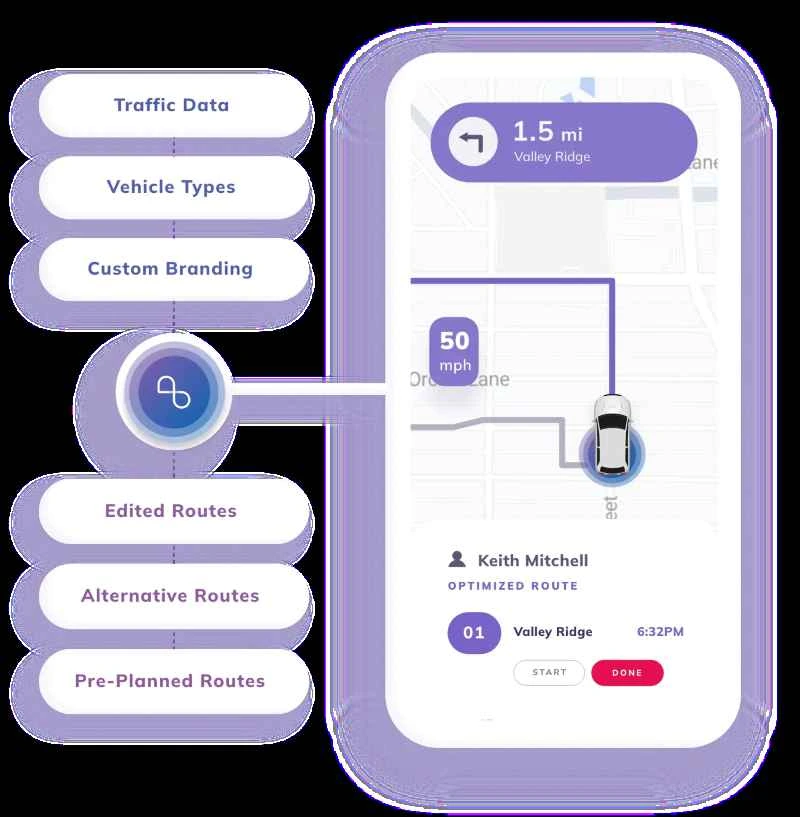
The Navigation API is an incredible feature for logistics and transportation companies, and beverage distributors are indeed beneficiaries of the tool. For seasonal demand planning and execution, it helps the drivers with turn-by-turn voice guidance on the route plan and provides traffic updates or other relative information.
The drivers can avoid congestion, road closures, and restricted roads while following the most efficient routes to each delivery stop. With appropriate technology resources, the companies can also use the Navigation SDK files to create a visual display of the movements on a digital map, which gives a more interactive experience to the drivers.
Route Report API
The Route Report API is essential for analyzing the performance of the delivery routes by different vehicles. The dispatch managers can regularly improve their work to enhance customer satisfaction and profit margin. It provides detailed insights into completed routes, including distance traveled, travel time, speed, stops, and route deviations.
The beverage distributors can use this information to plan feasible routes well before the demand surge, such as before events, fests, or weather changes. For example, from a recent sports event route closures and demand hikes, they can analyze the crowded lanes to be avoided. They can also identify inefficiencies, measure driver performance, verify route compliance, and uncover opportunities to reduce fuel consumption and delivery times.
Batch Routing API
It enables beverage distributors to process large volumes of routing requests asynchronously, which is a definite requirement for seasonal demand planning. This allows distributors to efficiently plan deliveries for multiple vehicles, warehouses, or territories simultaneously, reducing planning time and improving operational scalability. By supporting high-volume route calculations, the Batch Routing API helps distributors prepare delivery schedules faster, optimize fleet deployment, and efficiently manage the increased order volumes typical of seasonal demand.
Live Tracking API
With the Live Tracking API, the dispatch managers can monitor the movement of delivery trucks in real-time and receive accurate ETAs based on the traffic congestion, rain, etc. The team at the backend can analyze the movement of the trucks and accordingly updates
By improving delivery transparency and operational control, the Live Tracking API helps distributors maintain high service levels, enhance customer satisfaction, and manage seasonal delivery volumes more effectively.
Geofence API
The Geofence API helps keep the delivery vehicles in a designated area or road network. If the fence, which is virtually put on the digital map, gets crossed, the system automatically alerts the team and the driver.
During peak seasons, it is necessary to strictly monitor the delivery trucks because beverage distributors are expected to receive urgent orders, and if they serve on time, the client’s trust and loyalty increase.
This tool is purposely used to keep the drivers on the track and receive notifications about the vehicle’s arrival and departure from locations such as distribution centers, customer sites, or service territories. For quick order completion from a priority customer, the managers can reroute the trucks to a different location if they perceive the possibility from the current position of the vehicle.
Route Reconstruction API
The Route Reconstruction API showcases the road network used by the delivery vehicle on any particular task. It uses the historical GPS tracking data and provides a detailed view of the driver’s journey. The dispatch team can review the stoppages, directions, and deviations and compare them with the actual instructions or the route plan. The tool is thus helpful in analyzing the operational inefficiencies and delays and improving driver performance during seasonal hikes of beverages.
Route Dispatch API
Route Dispatch API helps beverage distributors quickly assign optimized delivery routes to drivers and ensure seamless execution in the field. It actually automates the whole process of sharing the route plans and dispatching the designated drivers on the delivery task. The tool improves operational efficiency and accelerates delivery turnaround time, especially during high beverage demands.
Documents API
The Documents API enables an attachment section on the routing tool where the beverage distributors can add essential documents with every delivery task. This may include delivery documents, like invoices, proof of delivery (POD), delivery notes, and compliance records. On the other hand, the drivers can access all of them on their digital devices through the Driver app. For seasonal demand planning, the beverage distributors can properly arrange the essential documents and attach them to the portal. Nothing gets missed while executing the delivery if important papers are pre-analyzed and digitally shared with the concerned drivers.
Maps API
Even if the beverage demand rise is not sudden, a heavy workload and increasing number of clients in a cluster require detailed information about the drop points. It is to reduce unnecessary time spent in locating the clients. The Maps API has multiple features to make the navigation more interactive for the drivers.
The dispatch team can use the Vector tile feature to showcase names of places and roads. In the same way, the raster tile function creates a grid structure of pixel-based data of images. These tiles provide extra value to the information loaded, which can be expanded for review. The Static Image feature is simply the offline picture of the route map with all the details about the stopages, road network, etc.
Road Segments API
The Road Segments API is a critical tool for transporters, especially during peak times. It provides detailed attributes for road segments, such as road type, speed limits, traffic direction, and other roadway characteristics. Beverage distributors can use the tool to fetch details like speed limits, load regulations, or number of lanes on any particular road to reach the client. This will help plan more suitable routes for the delivery vehicles, specifically at the time when they are serving at an event or during fests.
Traffic Incidents API
During seasonal demand hikes, the drivers usually have short time windows and more than the usual number of tasks. They tend to drive fast and prefer road networks with minimal possible obstructions.
At this point the Traffic Incidents API works as a boon to them. It is capable of generating real-time information on road accidents, congestion, construction, closures, and other traffic events that may impact delivery routes. It ensures that the beverage distributions during high seasonal demands get completed on time. Since the tool works in real time, the planners can rely on it while strategizing for any business contract for an event in the future.
Weather Forecast API
Weather is among the most prominent causes of rise and fall in beverage demands. Heat waves attract cold drinks; during freezing temperatures, people want hot chocolate, tea, or soups. Weather directly influences both consumer purchasing behavior and delivery operations.
The Weather Forecast API notifies about the real-time weather conditions on a daily or hourly basis, and at the same time it can predict the same for almost 2 weeks ahead. By analyzing this information, the beverage distributors can anticipate demand spikes caused by heatwaves, rainfall, cold spells, or severe weather events.
Precise analysis and resource utilization help them in positioning stock closer to high-demand areas, adjusting delivery schedules proactively, and preparing for weather-related disruptions. This enables more accurate seasonal planning, improves service levels, and helps reduce stockouts, delivery delays, and unnecessary transportation costs.
Road Editor API
The Road Editor API makes the route plan more interactive for the drivers and enables the dispatch team to control the movement of vehicles. It has a feature to customize and update road network data by adding, modifying, or restricting road segments to better match real-world operating conditions. Beverage distributors can edit temporary road changes, closures, speed limits, or a delivery point that is not shown in the digital map.
Places API
While planning for a seasonal demand hike in beverages, the distributors can use the Places API tool to validate and retrieve detailed information about any location. With precise location details, such as incomplete addresses or landmarks, the API helps improve address accuracy, optimize delivery planning, reduce failed deliveries, and enhance route efficiency.