
Intelligent Routing for Complex Fuel Delivery Routes

Simplify and scale fuel deliveries while managing capacity, regulatory constraints, delivery windows, and dynamic routing.
banner

Join the Ranks: Startups to Enterprises Trust Our Routing and Navigation Platform.

octopus-energy
titan-cloud
myfuel
webb
xplor
xgs
octopus-energy
titan-cloud
myfuel
webb
xplor
xgs
octopus-energy
titan-cloud
myfuel
webb
xplor
xgs

Powering Smarter Fuel Delivery at Scale
with NextBillion.ai

Managing Multiple Fuel Types

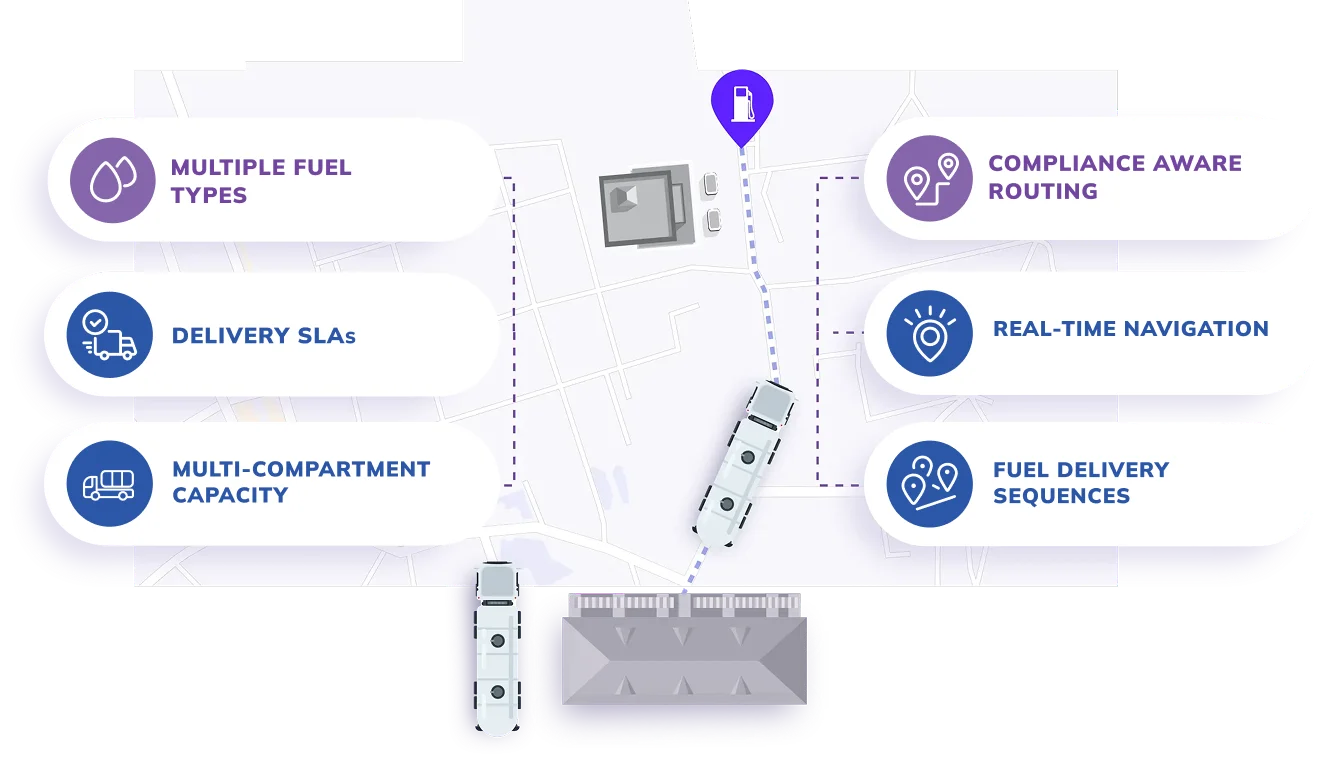
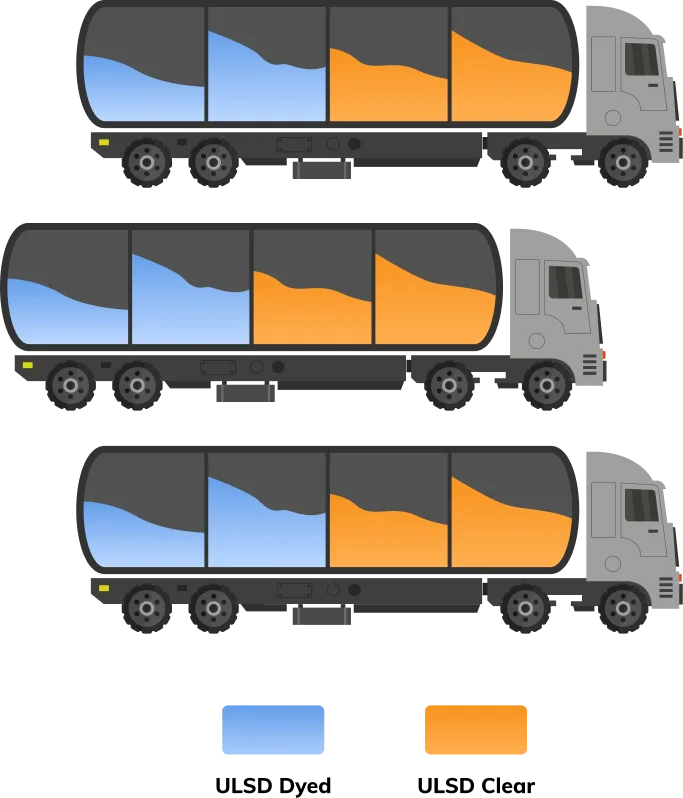
Manage multiple fuel types with intelligent routing that ensures compliance and product integrity at every phase of the delivery cycle.

Strict Delivery Time Windows

Plan fleet schedules around strict delivery windows to consistently meet tight delivery windows and achieve operational continuity.

Multi-Compartment Truck Capacity Planning

Get custom-fit route plans for fuel deliveries based on vehicle compartment size and capacity, ensuring product separation and regulatory compliance.

Regulatory & Hazardous Material Restrictions

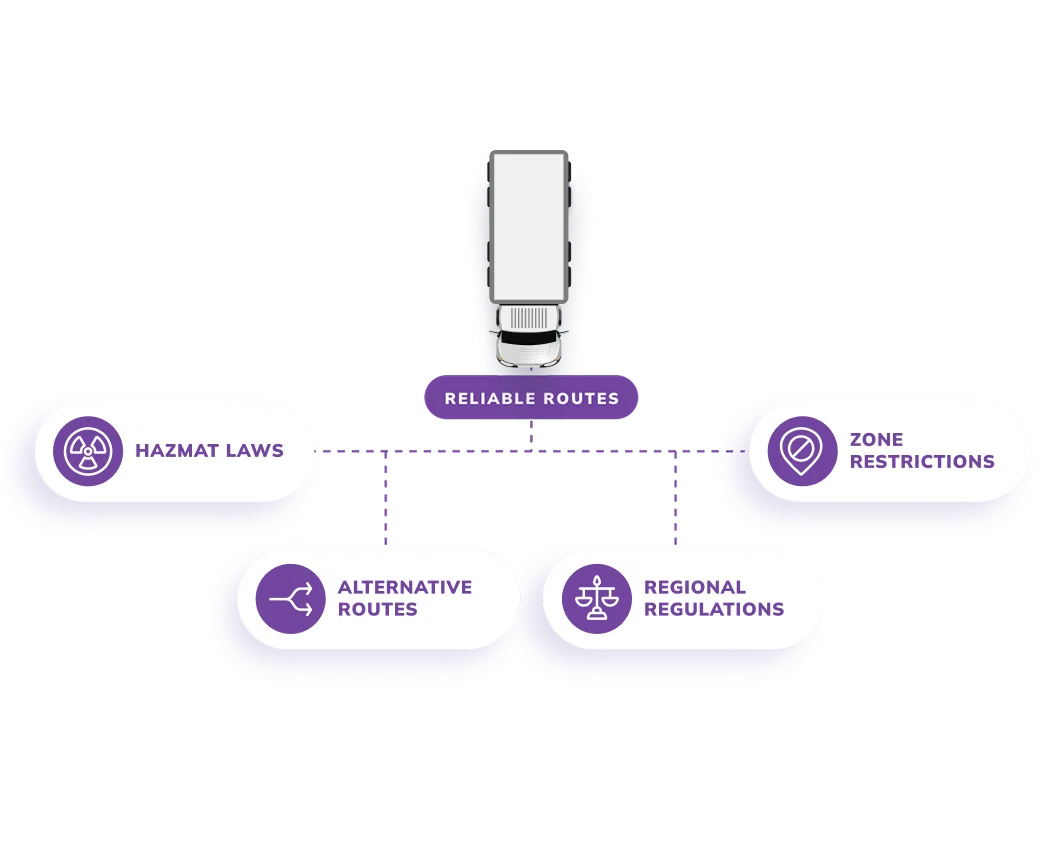
Get delivery routes that comply with hazmat laws, zone restrictions, and regional transport regulations.
efficiently-manage-fleets

Overcoming Operational Complexities in
Fuel Delivery

stable

Retail Network Fuel Replenishment

With NextBillion.ai, ensure timely fuel delivery to retail stations while managing strict inventory levels and delivery windows.

quality

On-Site & Mobile Fuel Delivery Operations

Deliver fuel efficiently to construction sites and remote locations with capacity-aware, optimized routing.

quality

Industrial-Scale Fuel Distribution

Optimize bulk fuel supply to industrial facilities and fleet yards with multi-stop, compliance-aware planning.

stable

High-Density Multi-Stop Fuel Routing

Plan efficient multi-drop fuel routes while accounting for time windows, traffic, and regulatory constraints.

Why Modern Fuel Delivery Teams
Choose NextBillion.ai

stable

Industry
Expertise

Built with deep expertise in fuel logistics, compliance, and complex routing operations.

stable

Flexible
Pricing

Scalable, usage-based pricing designed to align with your fuel delivery volume and operational needs.

stable

One- stop
Solution

A unified platform for route planning, optimization, compliance management, and fleet coordination.

stable

Exceptional
Support

Dedicated technical and operational support to ensure seamless integration and ongoing performance.

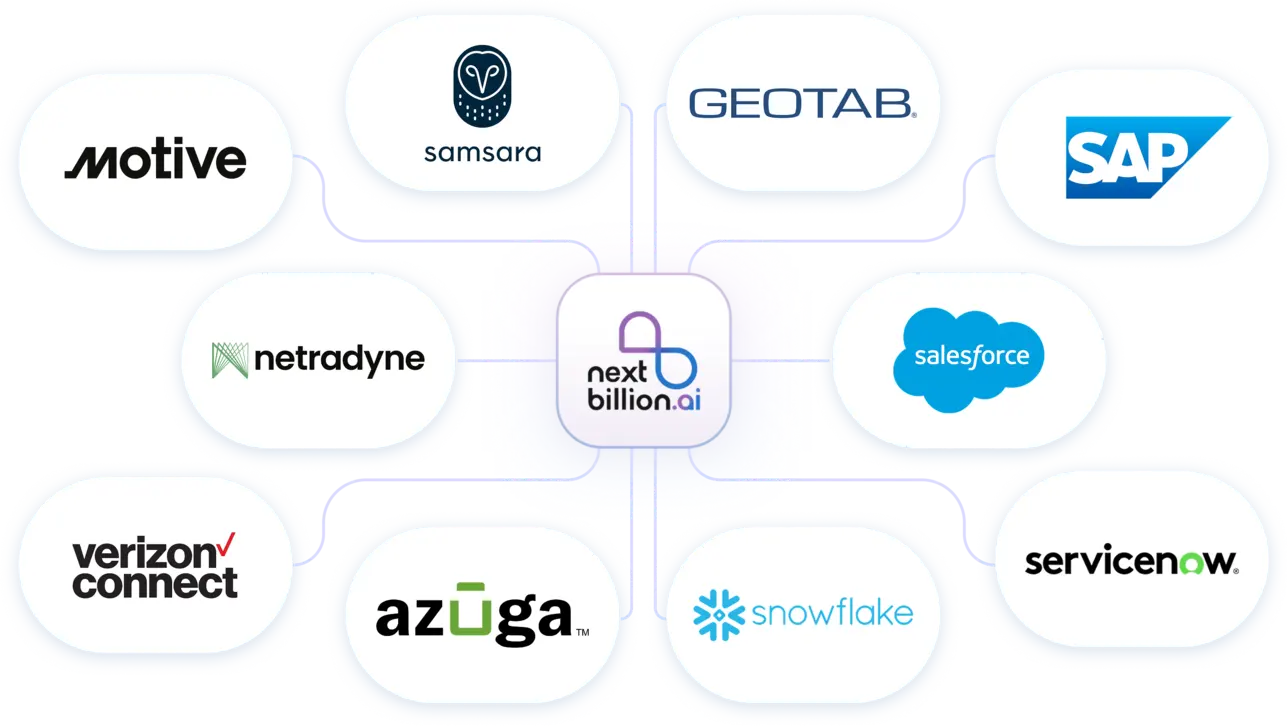
Integrate Seamlessly with Your Fuel Delivery Systems

Add advanced routing, dispatch, and constraint-aware optimization to your fuel delivery, and fleet management platforms.

View Integrations
Logo

Frequently asked questions

With constraint-based optimization, the platform aligns route planning with compartment-level capacity, product type allocation, and delivery demand. This ensures efficient load utilization while maintaining safe and compliant distribution.

NextBillion.ai incorporates rule-based constraints to ensure incompatible fuel grades are not mixed and product segregation requirements are maintained throughout planning and sequencing.

Time windows and service-level agreements are built into the route optimization engine as hard or soft constraints, ensuring deliveries are sequenced to meet strict replenishment deadlines. The system accounts for travel times, service durations, and real-time conditions to minimize delays while maintaining high on-time performance and operational efficiency.

Yes. The platform combines geofencing, restricted-zone mapping, and regulatory routing rules to generate hazmat-compliant delivery paths. It automatically avoids restricted corridors, enforces weight and access limits, and dynamically reroutes around incidents while maintaining full regulatory compliance and operational efficiency.

Vehicle-specific attributes such as weight limits, load capacity, and height or length restrictions are modeled as routing constraints to ensure only compliant paths are selected. The system evaluates road, bridge, and clearance limitations against each vehicle’s specifications, reducing violations, penalties, and operational risk.

Yes. Real-time route recalculation dynamically resequences stops to reduce depot waiting times and improve turnaround efficiency. By factoring in traffic, vehicle progress, and depot congestion, the system minimizes idle time, improves asset utilization, and keeps high-volume distribution operations running smoothly.

The platform integrates live traffic feeds and disruption alerts to trigger dynamic rerouting, keeping deliveries on schedule while maintaining compliance with vehicle, hazmat, and regulatory constraints. This ensures safer, legally compliant, and operationally efficient performance, even during unexpected delays or road disruptions.

The platform integrates demand data and consumption trends to enable predictive routing and automated refill planning based on inventory thresholds. By forecasting replenishment needs in advance, it reduces stockouts, avoids emergency dispatches, and improves overall distribution efficiency.

Advanced route sequencing minimizes total distance, fuel use, and idle time while enforcing delivery windows, compliance rules, and vehicle capacity limits. This ensures cost-efficient, on-time, and fully compliant operations across complex multi-stop distribution runs.

Through API integrations and telematics connectivity, fleets gain real-time tracking, route progress visibility, and performance insights. This enables proactive delay management, better fleet utilization, and improved operational control.

Route decisions, compliance checks, and delivery records are digitally logged to create a clear audit trail for regulatory reporting. This ensures transparency, simplifies audits, and helps maintain compliance with safety and transport regulations.

REST APIs and SDKs enable seamless integration with TMS, ERP, telematics, and fuel management systems, ensuring synchronized data flow across planning, dispatch, and execution. This unified connectivity streamlines operations, improves visibility, and supports real-time decision-making across the logistics ecosystem.

The optimization engine supports rapid re-planning to accommodate urgent delivery requests, dynamically recalculating routes within predefined operational constraints such as capacity limits, delivery windows, compliance rules, and vehicle restrictions. This ensures last-minute additions or priority orders are seamlessly integrated without disrupting overall efficiency or service reliability.

Planners can simulate alternative routing strategies under high-demand periods, supply shortages, or disruption scenarios to strengthen operational preparedness and resilience. By modeling different constraints, capacity adjustments, and contingency routes, teams can evaluate performance trade-offs, identify bottlenecks in advance, and design response strategies before real-world disruptions occur