


Table of Contents
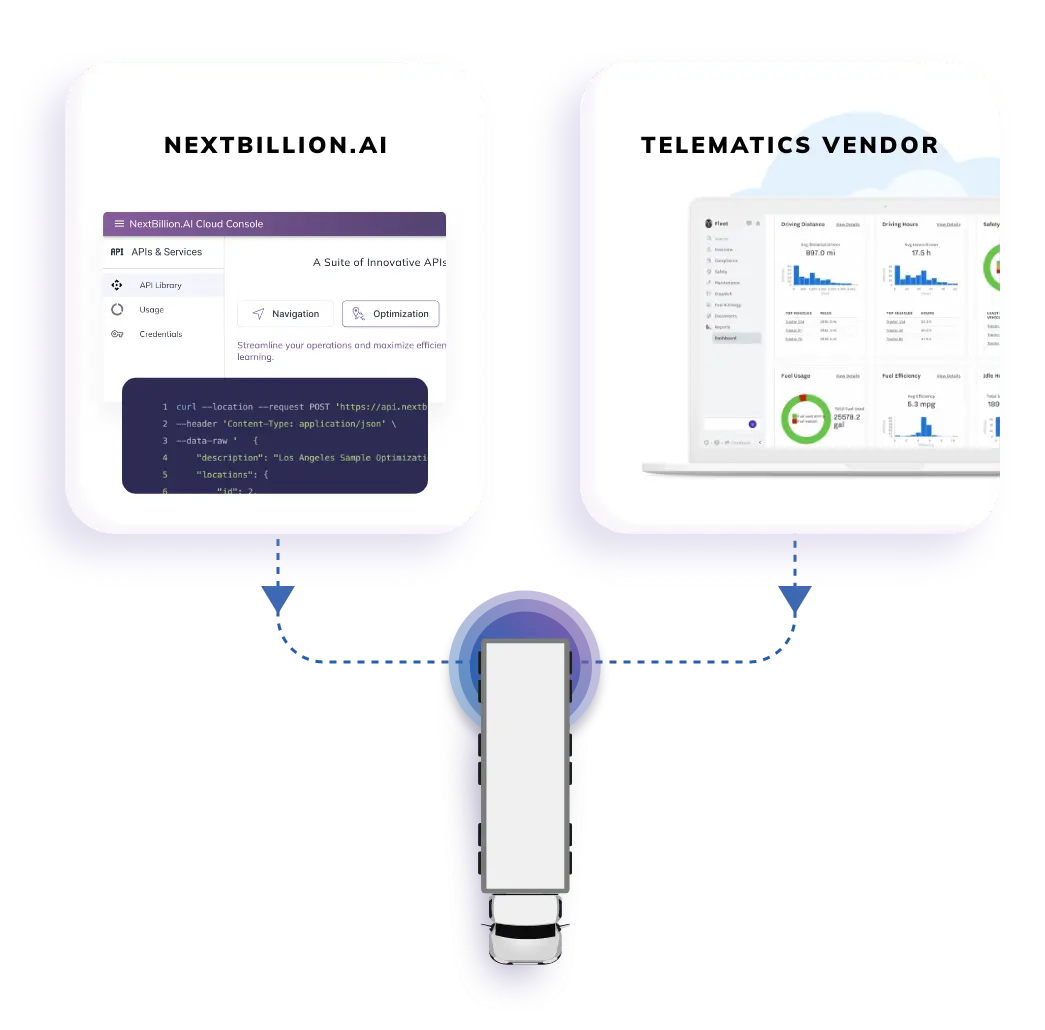
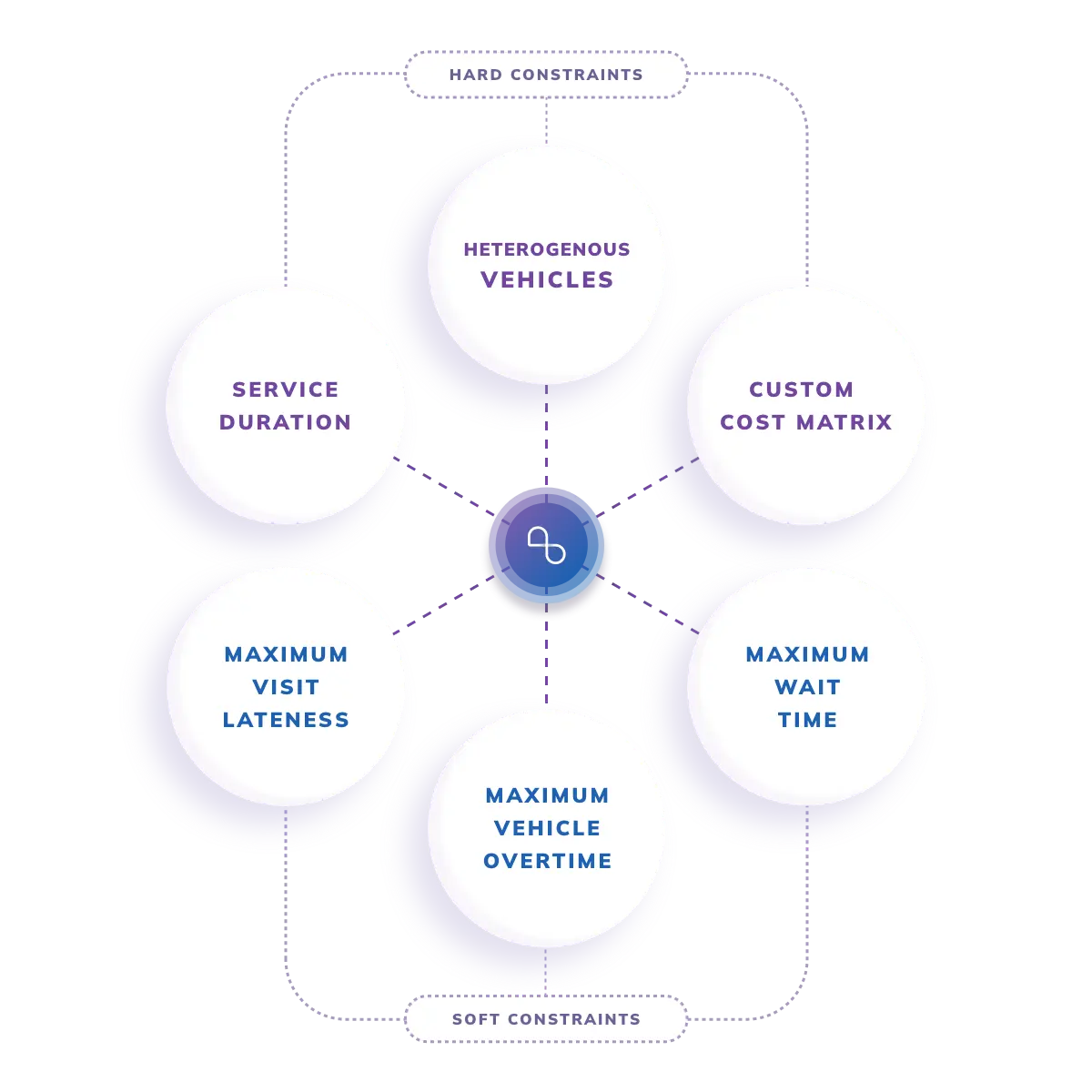
Businesses can go beyond basic GPS tracking and create super-optimized transportation workflows with real-time telematics intelligence. Connected fleet ecosystems can leverage real-time vehicle movement, traffic conditions, route behavior, and operational performance to improve route efficiency, dispatch coordination, and transportation decision-making.
Here are the most vital steps to turn real-time vehicle data into smarter routing decisions using a telematics fleet management system:
The first step is to gather real-time vehicle movement information with the help of GPS trackers, telematics devices, onboard diagnostics, and connected fleet sensors. This provides fleet managers with real-time visibility into vehicle location, route status, speed, idle time, trip status, and driver activity.
Live tracking information helps teams understand the position of each vehicle, its movement speed, whether it is following the required route, and how much delay is accumulating during ongoing journeys. This creates the operational base for smarter routing, as the system is no longer reliant on fixed route plans or manual driver updates.
The second step is to integrate vehicle position, driver movement, delivery position, fuel consumption, route tracking, and diagnostics into a single centralized telematics fleet management system. Routing decisions become slower and less precise when fleet data is dispersed in GPS tools, dispatch sheets, and driver calls and on different logistics platforms.
A centralized hub enables the dispatchers, fleet managers and operations teams to see the same live information. This enhances coordination and assists teams to make quicker routing decisions in the event of traffic delays, urgent orders, or changes in deliveries.
The next step involves linking real-time vehicle information to traffic intelligence, road congestion information, accident alerts, weather and route restriction information. This assists the system to know not just the position of the vehicle, but also what is going on the road in front of the vehicle.
For example, when a vehicle is heading toward a busy corridor, the routing engine can analyze alternative routes and suggest a more effective path. This makes route planning more responsive to real-life situations and minimizes the chances of vehicles being stuck on routes that are no longer efficient.
The decision-making process is enhanced by adding vehicle performance data to optimize routes. A telematics fleet management system can monitor fuel consumption, idle time, engine load, harsh braking, acceleration patterns, and route deviations across various delivery routes.
This helps fleet managers identify routes that generate higher fuel consumption, longer idle time, or unnecessary vehicle stress. By linking this performance data with routing, companies can eliminate routes that seem short on the map but actually increase operating costs.
Accurate estimated arrival times are also required in smarter routing. A telematics fleet management system is based on real-time vehicle speed, traffic flow, stop time, driver behavior, route progress, and road conditions as opposed to the calculation of ETAs based on distance and planned schedules. This provides logistic teams with a more realistic perspective of the time a vehicle will arrive at each destination.
Higher ETA accuracy enhances communication with customers, lessens uncertainty in delivery, and enables dispatchers to modify schedules prior to the whole route plan being impacted by delays.
A telematics fleet management system can constantly compare planned routes with actual vehicle movement. If a driver makes an unplanned turn, spends too much time at a stop, fails to follow the delivery sequence, or moves away from the designated route, the system can detect the deviation promptly.
Early identification helps fleet managers act before a small route problem becomes a major operational delay. It is particularly useful in last-mile delivery, where a single failed stop can impact several remaining deliveries and reduce overall route efficiency.
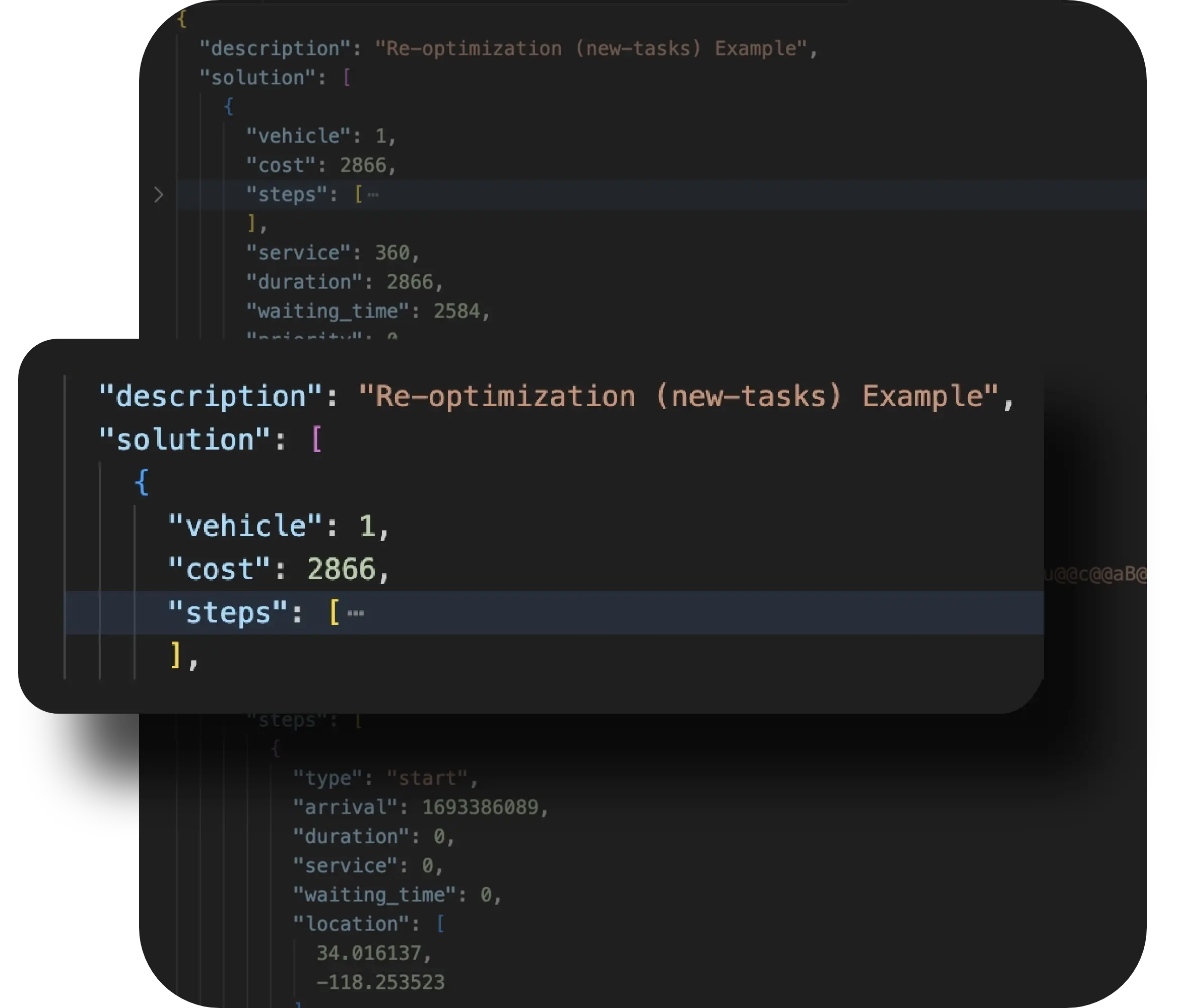
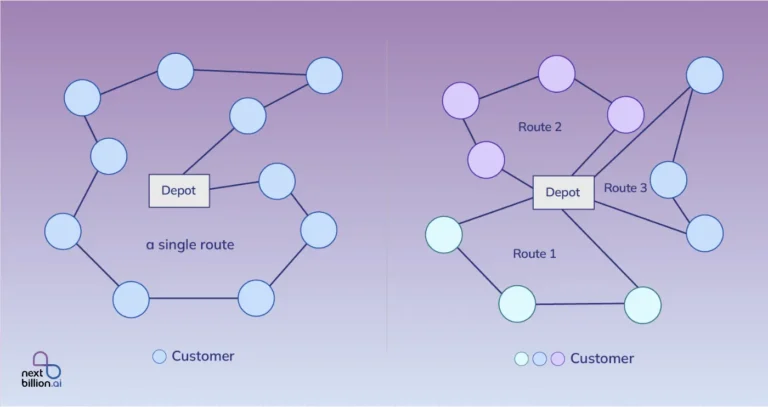
Real-time vehicle data becomes most valuable when it is used for dynamic route optimization. When traffic is higher, a customer alters availability, a vehicle is delayed or a new urgent order is placed in the system, the routing engine can re-optimize the route when the trip is still in progress. This assists fleets in leaving behind the inflexible route plans and construct routing workflows that adjust throughout the day.
Dynamic re-optimization saves on travel time, manages fuel usage, enhances the reliability of deliveries, and assists fleet teams to react to changing field conditions more quickly.
The last step is to apply historical telematics data to enhance future routing decisions. Past trip data may reveal common traffic delays, expensive delivery areas, routes with frequent idle time, vehicles with recurring performance problems, and drivers requiring route-specific assistance.
Such insights can help logistics teams create better route plans, improve vehicle assignment, and make more accurate delivery commitments. In the long run, the telematics fleet management system can transform into a routing intelligence engine that facilitates lower costs, greater visibility, and more predictable fleet performance.
Telematics fleet management systems support multiple transportation industries by improving operational visibility, route coordination, dispatch intelligence, fuel efficiency, and delivery execution across complex fleet environments. These systems enable companies to create more connected, scalable, and data-driven transportation operations across modern logistics networks.
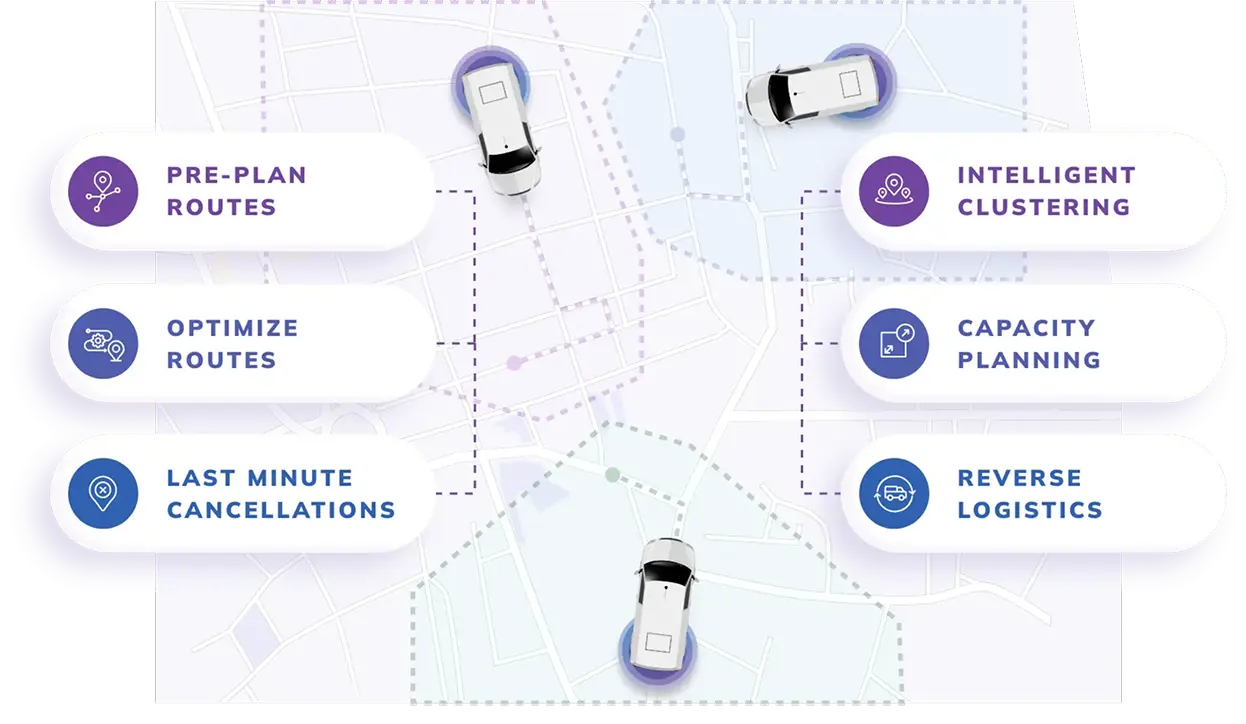
The last-mile delivery process needs a constant visibility of the routes, real-time tracking of vehicles, and a highly responsive dispatch coordination. Telematics systems enhance the performance of deliveries through live GPS positioning, vehicle movement analytics, and transportation intelligence to track the execution of deliveries between dispatch and doorstep.
Telematics fleet management systems facilitate real-time tracking of deliveries, visibility of routes, responsiveness of dispatch, monitoring of delivery status, and enhancement of customer communication. Live tracking of the fleet improves the coordination of the last-mile delivery, customer visibility, and transportation productivity.
Long-haul transportation business demands sustained operational visibility over long routes and logistics networks spread over geographical boundaries. Telematics are used to improve fleet coordination, driver monitoring, vehicle health monitoring and route optimization in long-distance freight movement.
Telematics fleet management systems tend to enhance fuel economy tracking, visibility of driver coordination, monitoring of vehicle health, planning of route optimization and management of transportation safety. Connected fleet intelligence is a major enhancement of the operational reliability, safety and efficiency of long-haul transportation operations.
Cold chain transportation operations need visibility of the routes and environmental monitoring to safeguard temperature-sensitive cargo. Telematics systems assist companies to track the movement of vehicles, cargo, reliability of route, and continuity of delivery across the cold chain network.
They are usually used to track temperature conditions, live vehicle tracking, route reliability, cargo movement, and deliveries. Cold chain telematics enhances transportation efficiency, cargo protection, compliance visibility, and operational control in the temperature-sensitive logistics processes.
E-commerce transportation operations need to be optimally coordinated and scaled to routes. The high-speed delivery setting requires fast dispatch processes, correct ETAs, multi-stop optimization, and real-time transportation visibility, which are facilitated by telematics technology.
The routing systems are usually enhanced to optimize multi-stop routes, accuracy of ETA forecasts, delivery productivity, dispatch management, and operational visibility. Routing intelligence based on Telematics enhances transportation performance, precision of delivery, and scalability of operations of e-commerce fleets.
Field service operations need smart dispatch coordination, effective movement of workforce and proper assignment of technicians. Telematics systems enable service teams to enhance transportation planning, vehicle use, route operation, and response times in the field operations that are distributed.
Telematics fleet management systems generally help in optimizing dispatch of technicians, planning of service routes, visibility of vehicle usage, enhanced response, and coordination of operations. Linked dispatch intelligence enhances productivity of field services, increases mobility of technicians and enhances transportation efficiency in operations that are service based.
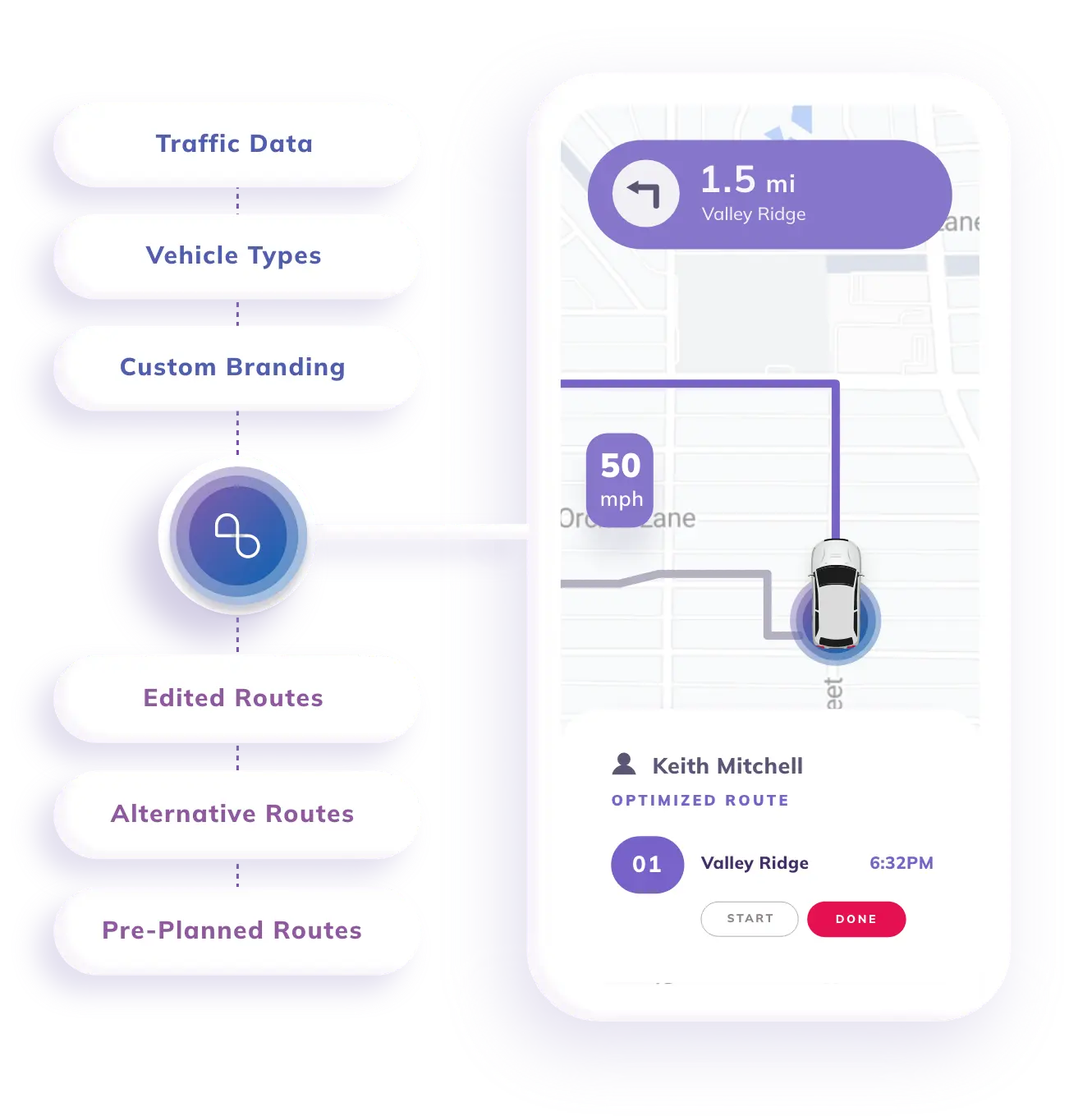
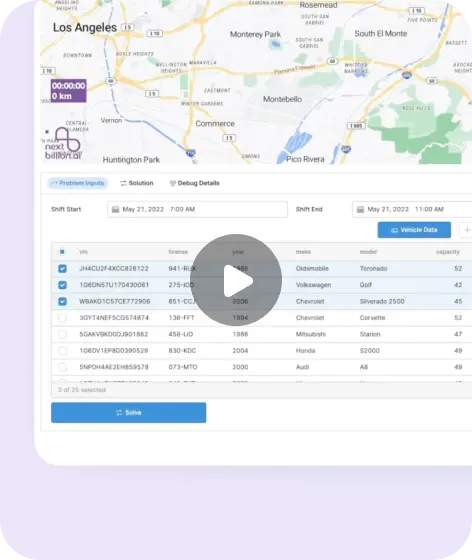
NextBillion.ai assists organizations to develop scalable fleet intelligence infrastructure through advanced geospatial technology, routing APIs, real-time mapping systems, traffic intelligence and operational analytics. We support modern transportation teams to enhance connected routing intelligence, live fleet visibility, automated dispatch coordination, and high-volume route optimization in enterprise fleet operations.
We assist companies to transform live telematics data into optimized routing processes with real-time geospatial analytics, vehicle movement intelligence, traffic-aware routing, and operational data processing. This intelligence can help businesses plan their routes, coordinate dispatch, predict delivery, optimize vehicle usage, and enhance transport efficiency in linked fleet ecosystems.
Our platform is dynamic routing, multi-stop optimization, traffic-aware dispatching, route sequencing, geofencing, and intelligent mobility analytics. The capabilities can assist businesses to cut down on unnecessary mileage, reduce congestion, minimize delivery delays, provide better visibility of operations and deliver quality performance of the delivery process in large-scale transportation settings.
Routing infrastructure is a critical layer in modern transportation systems, especially when businesses manage high delivery volumes, multiple depots, distributed vehicles, and complex service zones. We help teams build cloud-native routing workflows designed to support scalable fleet operations, automated routing decisions, and enterprise transportation coordination.
Our platform can integrate with telematics systems, logistics software, warehouse systems, dispatch platforms, order management tools, and enterprise operational workflows. This allows businesses to centralize transportation visibility, synchronize dispatch decisions, optimize route execution, and coordinate fleet movement across connected operating environments.
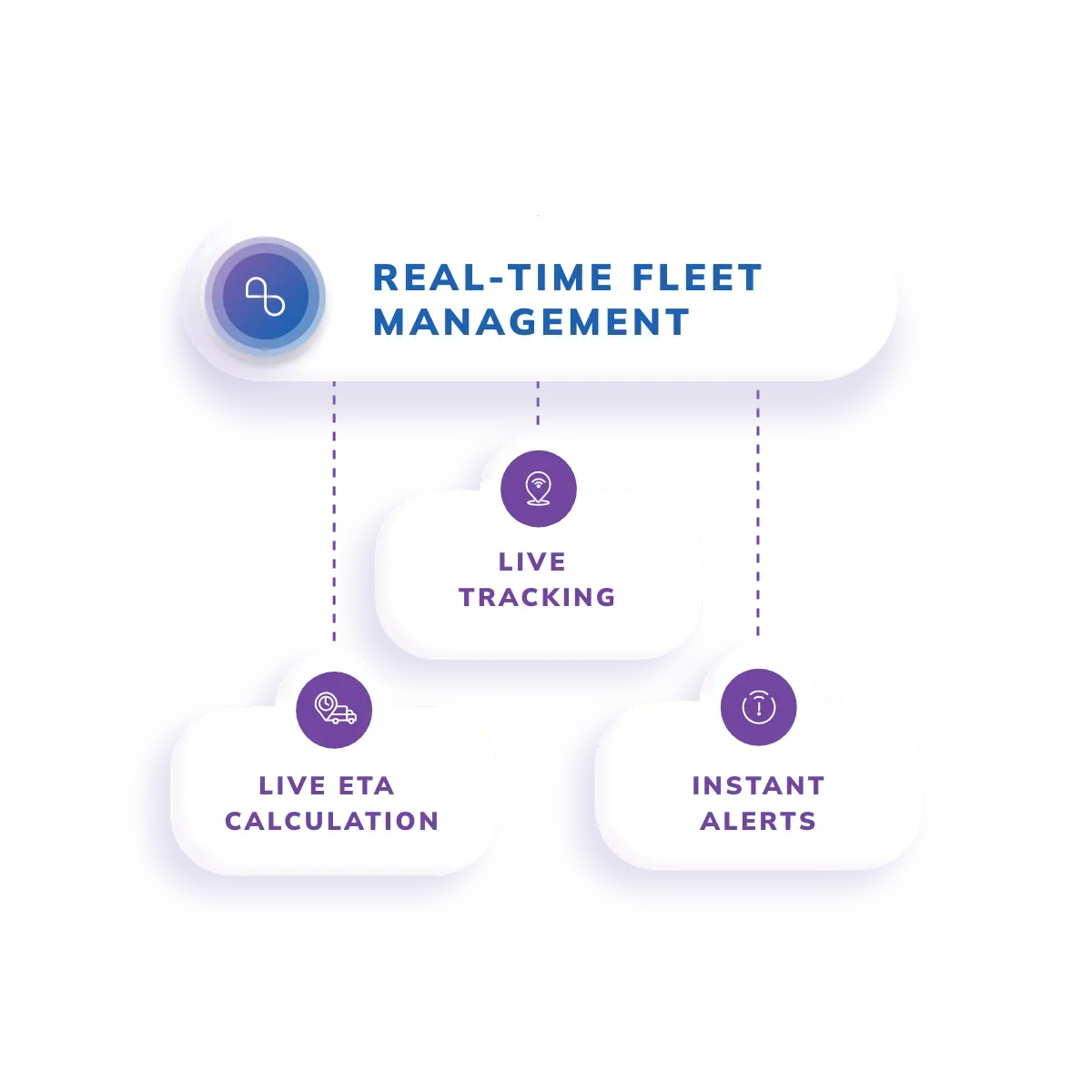
Real-time mobility intelligence, live traffic information, vehicle location, route progress and continuous performance analysis are all needed to provide accurate ETA forecasting. Our business solutions enable companies to utilize real-time transportation data, traffic flow, past travel trends, and route analytics to enhance the accuracy of delivery forecasting in fleet activities.
Our platform is a blend of sophisticated geospatial intelligence and real-time operational analytics to assist organizations enhance customer communication, enhance dispatch planning, decrease uncertainties in deliveries, and streamline transportation processes. NextBillion.ai assists companies in creating scalable routing infrastructure, better fleet coordination, and performance of transportation in enterprise logistics activities.