



Table of Contents
Fleet compliance in Saudi Arabia is becoming more complex than ever as logistics operations scale across the Kingdom. As fleets expand across the region, compliance is not limited to a legal requirement only. It has become a decision maker for maintaining operational efficiency, driver safety, and business continuity.
From vehicle permits, driver regulations and cross-border transportation rules, logistics companies operating in the Kingdom of Saudi Arabia (KSA) must navigate a complex regulatory landscape.
Failing to comply with fleet regulations can lead to hefty fines, shipment delays, vehicle downtime, and reputational damage. On the other hand, businesses that proactively manage compliance can improve fleet visibility, reduce risks, and streamline operations across their transportation network.
In this guide, we will break down the key KSA fleet compliance requirements every logistics business should know, including vehicle documentation, driver safety standards, cargo regulations, tracking requirements, and technology solutions that help fleets stay compliant and efficient.
Why Fleet Compliance Matters in Saudi Arabia
Saudi Arabia’s logistics industry is expanding more quickly than ever before. Fueled by 2030 initiatives, the rapid infrastructure investments have been a game changer in the Saudi Arabia logistic market. As transportation networks become more connected and delivery volumes increase, regulatory authorities are placing greater emphasis on fleet safety, operational transparency, and road compliance.
Logistics companies need to manage a wide range of requirements, including driver qualifications, vehicle inspections, cargo regulations, tracking systems, and route restrictions. Any failure to comply with the region’s regulations can disrupt operations and create significant financial and legal risks.
Non-compliance can result in:
- Heavy penalties and traffic fines
- Vehicle detention or suspension
- Delayed deliveries and Unexpected operational downtime
- Increased insurance and maintenance costs
- Reduced customer trust and service reliability
As regulations continue to evolve with moving time, logistics businesses operating in the KSA must adopt a proactive approach to compliance to remain competitive, scalable, and operationally efficient.
Also Read: Fleet Compliance in UAE
Key Fleet Compliance Requirements in Saudi Arab
Logistics and transportation companies operating in Saudi Arabia must comply with multiple regulations designed to improve road safety, operational efficiency, and transportation transparency. These compliance requirements apply to commercial fleets of all sizes, including trucking companies, delivery fleets, and cross-border logistics operators.
Below are the major fleet compliance areas businesses must manage in the KSA:
Vehicle Registration and Licensing
All commercial vehicles need to own valid registration documents, operating permits, and commercial licenses. Fleet operators have to opt for timely renewals as well as documents updation.
Periodic Vehicle Inspections
Commercial vehicles must undergo regular inspections to ensure they meet roadworthiness and safety standards. Inspections typically cover brakes, tires, lighting systems, emissions, and cargo safety mechanisms.
Commercial Vehicle Insurance
Fleet operators are required to maintain valid insurance coverage for all commercial vehicles. Proper insurance helps protect businesses from liabilities related to accidents, cargo damage, and operational risks.
Driver Compliance and Licensing
Drivers must hold valid licenses appropriate for the type of vehicle they operate. Businesses must also ensure compliance with driver safety regulations, working hour limitations, and training requirements.
Cargo and Load Regulations
Saudi Arabia enforces strict rules related to vehicle weight limits, cargo securing, and the transportation of hazardous or temperature-sensitive goods. Improperly loaded vehicles may face penalties or operational restrictions.
GPS Tracking and Telematics Compliance
Many logistics operations rely on GPS tracking and telematics systems to improve visibility, monitor driver behavior, optimize routes, and support regulatory compliance requirements.
Route and Road Restrictions
Commercial fleets must comply with designated truck routes, restricted zones, and timing regulations for heavy vehicles in urban areas. Failure to follow approved routes can result in fines and delivery delays.
Cross-Border Transportation Compliance
For fleets operating across GCC countries, businesses must manage customs documentation, permits, and regional transportation requirements to avoid border delays and compliance issues.
Safety and Operational Compliance
Fleet operators are expected to maintain high safety standards by conducting preventive maintenance, monitoring driver performance, and ensuring vehicles remain compliant with operational safety regulations.
As logistics operations scale across Saudi Arabia, managing these compliance requirements manually becomes increasingly difficult. Many businesses are adopting digital fleet management and routing technologies to streamline compliance monitoring, reduce risks, and improve operational efficiency.
How Route Optimization Technology Supports Fleet Compliance in Saudi Arabia?
Fleet compliance in Saudi Arabia involves much more than maintaining vehicle documents and permits. Logistics businesses must also ensure that commercial vehicles follow approved truck routes, comply with road restrictions, maintain delivery schedules, and operate safely across urban and long-haul transportation networks. Managing these requirements manually can become difficult as fleet operations scale.
Route optimization technology helps logistics companies simplify compliance management by using real-time data, GPS tracking, and intelligent route planning to improve operational efficiency while reducing compliance risks.
Helps Fleets Follow Truck-Safe Routes
Commercial vehicles in Saudi Arabia are subject to road restrictions based on vehicle size, cargo type, and operational zones. Advanced route optimization systems help fleets generate truck-compliant routes that avoid restricted roads, low-clearance areas, and traffic-sensitive urban zones.
This helps businesses:
- Reduce traffic violations
- Avoid restricted routes
- Improve delivery reliability
- Enhance driver safety
Truck-specific navigation also minimizes unnecessary detours and improves overall transportation efficiency.
Supports Vehicle and Cargo Compliance
Fleet operators transporting heavy, oversized, or specialized cargo must comply with strict transportation regulations. Route optimization platforms can consider vehicle dimensions, weight limits, and cargo restrictions while planning routes.
This is especially useful for:
- Heavy commercial fleets
- Hazardous material transportation
- Temperature-controlled logistics
- Long-distance trucking operations
Selecting compliant routes helps businesses reduce delays, avoid penalties, and maintain smoother transportation operations.
Improves Driver Safety and Monitoring
Driver safety is a critical part of fleet compliance in Saudi Arabia. Poor route planning can increase driver fatigue, delays, and unsafe driving conditions. Route optimization technology improves operational efficiency by reducing unnecessary travel time and helping drivers avoid congested or high-risk roads.
Integrated tracking and telematics systems also help fleet managers monitor:
- Speeding incidents
- Route deviations
- Idle time
- Driving behavior
- Delivery performance
These insights help businesses improve driver accountability and maintain stronger safety standards.
Enables Real-Time Fleet Visibility
Modern logistics operations require real-time monitoring and operational transparency. Route optimization technology provides live fleet visibility, allowing dispatchers and fleet managers to track vehicle movement, respond to delays, and manage route changes more effectively.
Real-time tracking helps businesses:
- Improve ETA accuracy
- Respond quickly to disruptions
- Enhance customer communication
- Monitor fleet performance
- Maintain digital operational records
This level of visibility supports better compliance management while improving service quality.
Reduces Operational Costs While Maintaining Compliance
Compliance management often increases operational complexity, but intelligent route planning helps businesses reduce unnecessary mileage, fuel consumption, and vehicle wear and tear.
Optimized routing can help fleets:
- Lower fuel expenses
- Improve vehicle utilization
- Reduce maintenance costs
- Increase delivery efficiency
- Minimize operational downtime
By combining compliance management with smart route optimization, logistics businesses can improve both operational performance and profitability.
Choosing Technology Like NextBillion.ai for KSA Fleet Compliance
As fleet regulations in Saudi Arabia become more complex, logistics businesses need technology solutions that go beyond basic GPS tracking and navigation. Modern fleet operations require intelligent routing, real-time visibility, truck-safe navigation, and compliance-focused fleet management tools that can adapt to the unique transportation challenges of the Kingdom.
Choosing the right route optimization and fleet intelligence platform can help businesses improve operational efficiency while staying compliant with evolving KSA transportation regulations.
Look for Truck-Specific Routing Capabilities
Standard navigation systems are often designed for passenger vehicles and may not support the operational needs of commercial fleets. Logistics businesses in Saudi Arabia should choose routing technology that supports truck-specific navigation and commercial vehicle constraints.
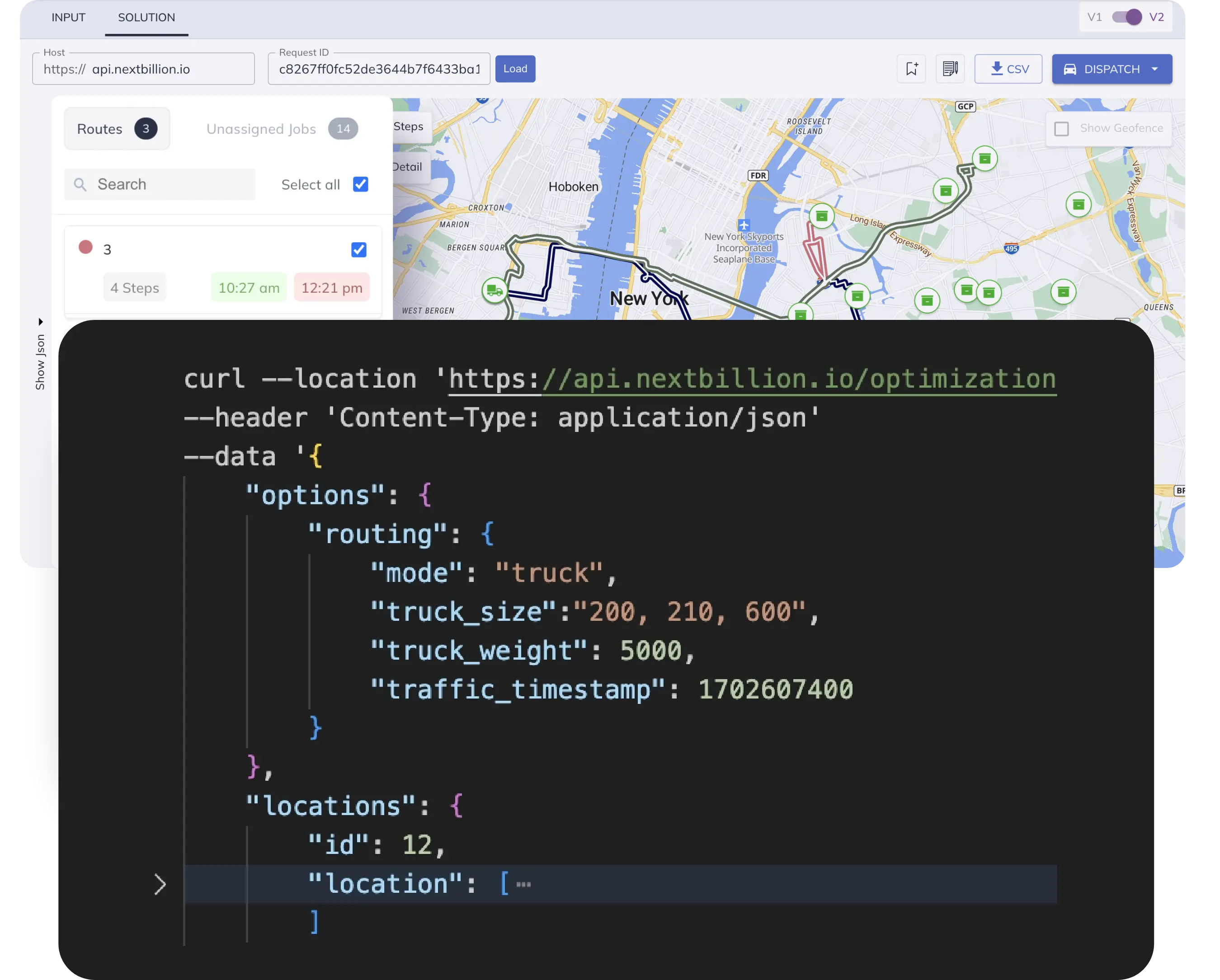
Platforms like NextBillion.ai provide advanced routing capabilities that consider:
- Vehicle dimensions and weight
- Truck restrictions and road limitations
- Hazardous goods transportation
- Urban delivery constraints
- Multi-stop delivery optimization
This helps fleets reduce compliance violations and operate more safely across transportation networks.
Prioritize Real-Time Fleet Visibility
Real-time fleet monitoring is essential for maintaining operational control and compliance. Businesses should look for technology platforms that provide live vehicle tracking, route monitoring, and instant operational insights.
Real-time visibility helps logistics companies:
- Detect route deviations
- Monitor delivery progress
- Improve ETA accuracy
- Respond quickly to delays
- Improve customer communication
Better visibility also supports compliance reporting and operational transparency.
Choose Scalable and Customizable APIs
Every logistics business operates differently. Some fleets focus on last-mile delivery, while others manage heavy trucking, cold chain logistics, or cross-border transportation. Choosing a customizable platform allows businesses to build routing and compliance workflows tailored to their operational needs.
NextBillion.ai APIs support:
- Custom route optimization
- Fleet dispatch systems
- Geofencing
- Territory management
- Driver tracking
- Dynamic rerouting
- Logistics mapping customization
This flexibility allows businesses to scale operations without replacing their existing logistics infrastructure.
Support for Operational Efficiency and Compliance
Compliance should not slow down logistics operations. The right technology platform should help fleets improve productivity while maintaining regulatory standards.
Advanced route optimization solutions help businesses:
- Reduce fuel consumption
- Minimize idle time
- Improve fleet utilization
- Lower operational costs
- Improve delivery efficiency
- Enhance driver productivity
By automating route planning and monitoring, logistics companies can simplify compliance management while improving overall fleet performance.
Prepare for the Future of Logistics in Saudi Arabia
Saudi Arabia’s logistics sector is rapidly evolving under Vision 2030, with increasing investments in digital infrastructure, smart mobility, and transportation modernization. Businesses that invest in intelligent routing and fleet management technologies today will be better prepared to scale operations efficiently in the future.
Technology platforms like NextBillion.ai help logistics companies build smarter, safer, and compliance-ready fleet operations designed for the growing demands of Saudi Arabia’s transportation ecosystem.
Conclusion
Fleet compliance in Saudi Arabia is becoming increasingly important as logistics operations grow more complex and transportation regulations continue to evolve. From vehicle registration and driver safety to cargo restrictions and route compliance, logistics businesses must manage multiple operational and regulatory requirements to ensure smooth and uninterrupted fleet operations.
Advanced route optimization and fleet intelligence platforms like NextBillion.ai help logistics companies navigate these challenges with truck-safe routing, real-time fleet tracking, customizable APIs, and operational insights designed specifically for commercial transportation.
As Saudi Arabia continues advancing its logistics and infrastructure goals under Vision 2030, companies that invest in compliance-focused fleet technology will be better positioned to reduce operational risks, improve efficiency, and build scalable, future-ready logistics networks across the Kingdom.
Get in touch with our logistics experts to know more about it.
Ready to get started?
Request a DemoTable of Contents
Subscribe to our Newsletters
Get the best practices for route planning & optimization, delivered to your inbox.
Subscribe