


Table of Contents
The UAE has rapidly emerged as one of the world’s leading logistics and transportation hubs, driven by growing e-commerce demand, cross-border trade, urban expansion, and large-scale infrastructure investments.
As logistics operations continue to scale across cities like Dubai and Abu Dhabi, logistics operators are facing increasing pressure to ensure faster deliveries while staying compliant with evolving transportation regulations.
For commercial logistics businesses, compliance is no longer limited to maintaining permits and vehicle documentation. Modern fleet compliance in the UAE includes adhering to vehicle dimension restrictions, truck-safe road networks, delivery timing regulations, hazardous material transportation rules, driver safety requirements, and route-specific operational constraints. Failing to comply with these regulations can lead to route violations, delivery delays, operational inefficiencies, and costly penalties.
This is where smart routing and fleet management technology are becoming essential for logistics businesses. Advanced route planning platforms such as NextBillion.ai help businesses generate truck-compliant routes, avoid restricted roads, optimize fleet movement, and improve operational visibility across dispatch and delivery workflows.
In this guide, we will explore the key UAE fleet compliance rules every logistics business should know, common operational challenges fleets face, and how technology-driven routing solutions can help businesses improve efficiency while staying compliant.
What is UAE Fleet & Route Compliance?
UAE fleet and route compliance refers to the process of ensuring that commercial vehicles, drivers, and logistics operations follow all transportation regulations, road restrictions, and operational guidelines established by UAE authorities.
For logistics businesses, compliance is more than maintaining vehicle permits or registration documents. It involves ensuring that every trip, route, and delivery operation adheres to rules related to truck movement, road safety, vehicle dimensions, delivery timing, and driver operations.
Fleet and route compliance in the UAE typically includes:
- Following truck-specific road restrictions and approved transport corridors
- Complying with vehicle height, weight, and load limitations
- Avoiding restricted zones and time-based access limitations
- Adhering to hazardous material transportation regulations
- Managing driver safety and operational standards
- Ensuring deliveries are completed within approved time windows
- Maintaining accurate fleet documentation and inspection readiness
For logistics operators, non-compliance can result in:
- Heavy fines and penalties
- Delivery delays and failed SLAs
- Increased fuel and operational costs
- Driver inefficiencies
- Route disruptions and customer dissatisfaction
This is why modern logistics companies are increasingly adopting AI-powered route planning and fleet management solutions to automate compliance, optimize truck routing, and improve operational efficiency across their transportation networks.
Major UAE Compliance Requirements for Commercial Fleets
Commercial fleet operators in the UAE must comply with a wide range of transportation, safety, and operational regulations to ensure efficient and legally compliant logistics operations. These requirements help improve road safety, reduce congestion, and streamline commercial vehicle movement across the country.
Vehicle Restrictions
Weight Limits
The UAE enforces strict weight regulations for commercial vehicles to protect road infrastructure and ensure safe transportation. Trucks must comply with maximum gross vehicle weight and axle load limits defined by transport authorities. Overloaded vehicles can lead to fines, vehicle damage, reduced fuel efficiency, and increased accident risks.
Height and Axle Restrictions
Commercial vehicles must also comply with height, width, and axle restrictions, especially when operating on highways, tunnels, bridges, and urban roads. Oversized or improperly balanced vehicles may be restricted from certain routes and may require special permits for operation.
Restricted Commercial Vehicle Zones
Many cities in the UAE, including Dubai and Abu Dhabi, have designated restricted zones where heavy commercial vehicles are prohibited during specific hours. These restrictions help reduce congestion and improve road safety in residential and high-traffic areas. Logistics operators must plan routes carefully to avoid entering restricted areas.
Driver & Operational Compliance
Driver Working Hours
Fleet operators are responsible for ensuring drivers follow regulated working hours and rest schedules to reduce fatigue and improve safety. Excessive driving hours can increase accident risks and negatively impact delivery performance and driver well-being.
Delivery Timing Regulations
Commercial deliveries in many UAE cities are governed by approved delivery windows and timing restrictions. Certain areas only allow truck access during non-peak hours to minimize traffic congestion. Missing delivery timing regulations can lead to delays, fines, and failed service commitments.
Permit and Licensing Requirements
Commercial fleets must maintain valid operating permits, vehicle registrations, transport licenses, and driver certifications. Depending on the type of cargo or vehicle, businesses may also require additional approvals from transportation authorities or municipalities.
Road & Safety Regulations
Toll Roads and Restricted Roads
The UAE operates multiple toll road systems and commercial vehicle-restricted routes. Fleet operators must consider toll charges, truck bans, road limitations, and approved truck corridors during route planning to improve operational efficiency and avoid violations.
Hazardous Material Transport Regulations
Transporting hazardous materials such as fuel, chemicals, or industrial goods requires compliance with strict safety regulations. Businesses must use approved vehicles, follow designated routes, display proper hazard labeling, and ensure emergency response preparedness during transportation.
Safety and Cargo Protection Measures
Logistics companies must ensure that cargo is properly secured and vehicles are regularly inspected to maintain transportation safety. Poor cargo handling or inadequate safety measures can lead to damaged goods, road hazards, operational delays, and legal penalties.
Common Challenges Faced by Fleet Operators in the UAE
Managing commercial fleet operations in the UAE comes with several operational and compliance-related challenges. As delivery volumes increase and urban transportation networks become more complex, fleet operators must balance efficiency, cost control, and regulatory compliance simultaneously.
Navigating Restricted Roads and Zones
Commercial vehicles often face access limitations across urban areas, residential zones, and high-traffic corridors. Drivers entering restricted routes can lead to fines, delays, and route inefficiencies.
Managing Complex Delivery Schedules
Fleet operators must coordinate deliveries across multiple locations while complying with delivery time windows, customer SLAs, and traffic restrictions. Poor scheduling can impact delivery performance and increase operational costs.
Handling Dynamic Traffic Conditions
Traffic congestion, road closures, and unexpected route disruptions are common challenges in major UAE cities. Without real-time routing capabilities, fleets may experience delays, higher fuel consumption, and reduced productivity.
Ensuring Driver Compliance and Safety
Monitoring driver working hours, route adherence, and safety practices becomes increasingly difficult as fleets scale. Driver fatigue and non-compliant driving behavior can increase operational risks and accident rates.
Controlling Fuel and Operational Costs
Inefficient route planning, excessive idle time, and unnecessary mileage can significantly increase fuel expenses and fleet operating costs. Rising transportation demand makes cost optimization a major priority for logistics businesses.
Maintaining Visibility Across Fleet Operations
Many logistics businesses struggle with limited real-time visibility into vehicle movement, delivery progress, and driver performance. This lack of operational transparency can affect dispatch efficiency and customer experience.
Managing Multi-Stop and Large-Scale Deliveries
Modern logistics operations often involve complex multi-stop delivery routes across cities and emirates. Manual route planning methods are often unable to efficiently manage large-scale fleet movement while maintaining compliance and efficiency.
Adapting to Evolving Compliance Requirements
Transportation regulations, road restrictions, and urban mobility policies continue to evolve across the UAE. Fleet operators must continuously update routing strategies and operational workflows to remain compliant and avoid disruptions.
How Smart Truck Routing Technology Helps with UAE Compliance
Modern truck routing technology plays a critical role in helping logistics businesses maintain compliance while improving delivery efficiency and fleet performance across the UAE.
Enables Truck-Compliant Route Planning
Smart routing systems generate routes specifically designed for commercial vehicles by considering truck size, weight, axle limits, and road restrictions. This helps fleets avoid non-compliant roads and reduce route violations.
Avoids Restricted Roads and Commercial Vehicle Zones
AI-powered routing platforms automatically identify restricted roads, low-clearance bridges, no-truck zones, and time-based access limitations. This ensures drivers stay on approved commercial vehicle routes.
Supports Delivery Time Window Compliance
Advanced route planning tools help fleets schedule deliveries based on approved delivery windows and customer SLAs. Optimized dispatching reduces delays and improves on-time delivery performance.
Improves Real-Time Route Optimization
Smart routing technology can dynamically adjust routes based on live traffic conditions, road closures, and operational disruptions. This helps reduce delays, fuel usage, and driver downtime.
Enhances Driver Safety and Operational Compliance
Fleet management systems provide better visibility into driver behavior, route adherence, and trip performance. Businesses can monitor operations more effectively and improve safety standards across fleets.
Helps Manage Hazardous Material Transportation
Truck routing platforms can support hazmat-compliant routing by avoiding restricted areas and selecting safer approved transport corridors for sensitive cargo movement.
Reduces Fuel Costs and Operational Inefficiencies
Optimized truck routing minimizes unnecessary mileage, idle time, and route deviations, helping logistics businesses reduce fuel consumption and improve overall fleet utilization.
Provides Better Fleet Visibility and Control
Real-time tracking and operational analytics allow dispatch teams to monitor deliveries, vehicle movement, and route performance from a centralized platform, improving decision-making and operational efficiency.
Key Features Businesses Should Look for in a UAE-Compliant Routing Solution
Choosing the right routing solution is critical for logistics businesses operating in the UAE, where fleets must manage complex road networks, truck restrictions, delivery timelines, and compliance requirements. A modern routing platform should help businesses improve operational efficiency while ensuring commercial vehicle compliance across all routes.
Truck Dimension and Weight-Based Routing
A reliable routing solution should support truck-specific navigation by considering vehicle height, weight, axle load, and cargo dimensions. This helps fleets avoid restricted roads, low-clearance bridges, and non-compliant routes that could lead to fines or delivery disruptions.
Multi-Stop Route Optimization
Logistics operations often involve multiple deliveries across cities and emirates. Advanced route optimization capabilities help businesses generate the most efficient delivery sequences, reduce travel time, improve vehicle utilization, and lower fuel costs.
Real-Time Traffic and Road Restrictions
Road conditions and traffic patterns in the UAE can change rapidly. A smart routing platform should provide real-time traffic updates, road closures, commercial vehicle restrictions, and dynamic rerouting capabilities to improve delivery efficiency and reduce delays.
Toll and Low-Clearance Avoidance
Commercial fleets need better visibility into toll roads, tunnel restrictions, and low-clearance routes to avoid unnecessary operational costs and compliance risks. Intelligent routing systems help fleets automatically avoid unsuitable roads and optimize truck-safe navigation.
API Integration Capabilities
Modern logistics businesses often rely on multiple systems such as transportation management systems (TMS), fleet management platforms, telematics solutions, and dispatch software. A routing solution with flexible API integration capabilities enables seamless data flow and operational automation across logistics workflows.
Route Visualization and Analytics
Real-time route visualization and fleet analytics provide businesses with better operational visibility and decision-making capabilities. Features such as live tracking, route performance insights, driver monitoring, and delivery analytics help logistics teams improve efficiency, compliance, and customer service.
Why UAE Logistics Businesses Are Adopting NextBillion.ai
As fleet operations become more complex, logistics businesses need routing solutions that go beyond basic navigation. Modern fleets require intelligent, truck-aware route planning that can adapt to real-world operational and compliance challenges across the UAE.
NextBillion.ai helps logistics companies build compliant and scalable fleet operations with advanced capabilities such as:
- Truck-specific routing based on vehicle dimensions and weight
- Real-time traffic-aware route optimization
- Multi-stop delivery planning and dispatch optimization
- Toll-aware and restricted-road routing
- Custom routing APIs for logistics applications
- Route analytics and operational visibility
- Enterprise-grade scalability for large fleets
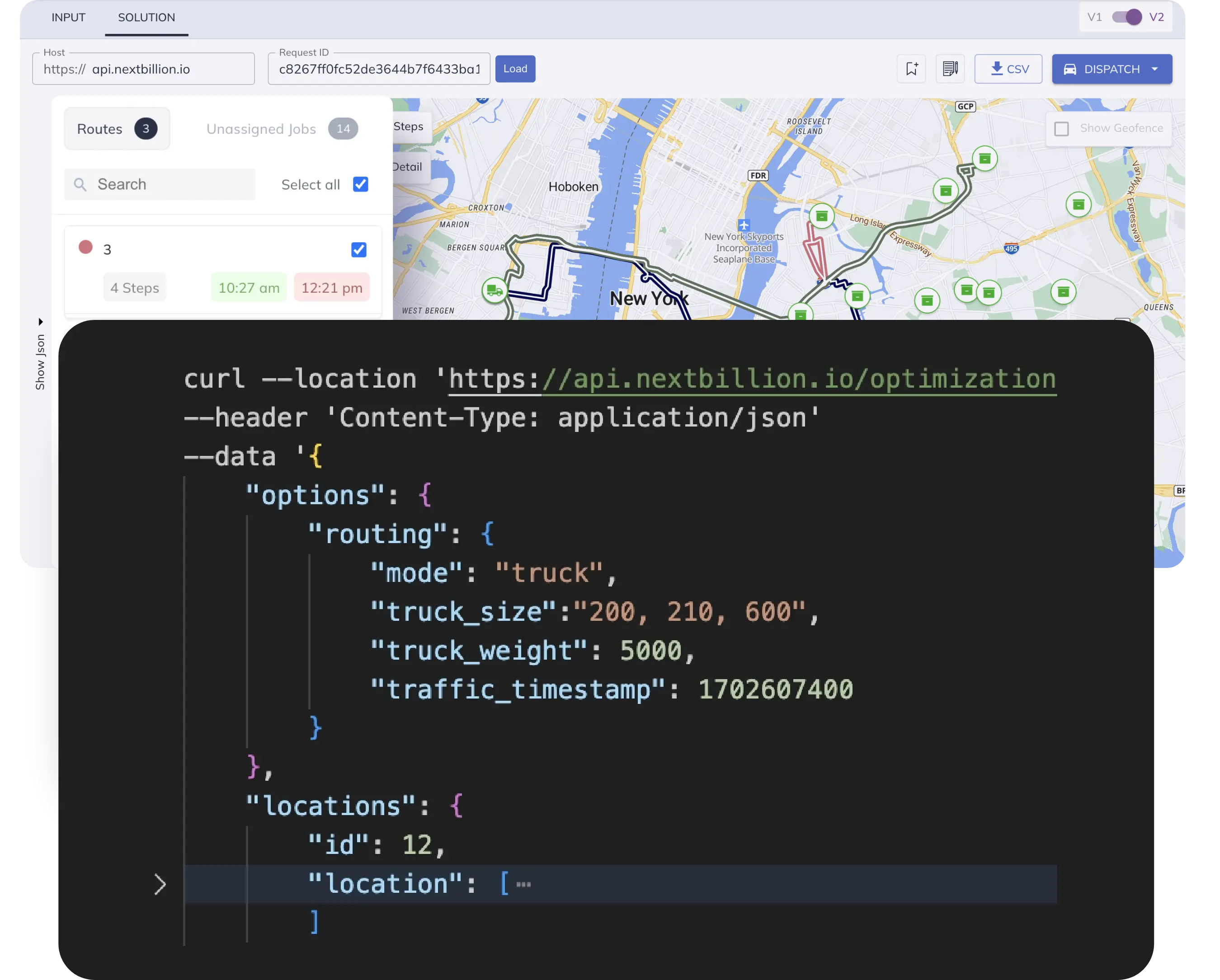
With flexible APIs and highly customizable routing infrastructure, NextBillion.ai enables logistics businesses to build tailored fleet management and delivery solutions that align with UAE transportation regulations and operational requirements.
Conclusion
As logistics networks continue to grow across the UAE, fleet compliance has become a critical pillar of modern transportation operations. Businesses can no longer rely on manual planning processes to manage complex regulations related to truck movement, delivery schedules, vehicle restrictions, and operational safety.
Technology-driven route planning is now essential for maintaining compliance while improving delivery efficiency, reducing operational costs, and enhancing customer service. Smart truck routing solutions help logistics businesses avoid restricted roads, optimize multi-stop deliveries, manage real-time traffic conditions, and improve visibility across fleet operations.
For growing logistics companies, adopting intelligent routing technology is not just about operational optimization, it is about building scalable, compliant, and future-ready transportation networks that can adapt to evolving regulations and rising delivery demands.
As the UAE continues to invest in smart mobility and advanced logistics infrastructure, businesses that embrace AI-powered fleet and routing solutions will be better positioned to scale safely, operate efficiently, and stay competitive in the rapidly evolving logistics landscape.
For more information, get in touch with our experts.
Ready to get started?
Request a DemoTable of Contents
Subscribe to our Newsletters
Get the best practices for route planning & optimization, delivered to your inbox.
Subscribe