

Table of Contents

When the operation goes beyond a few stops and known delivery regions, delivery route optimization becomes quite challenging. Time, capacity, location density, driver availability, service priority, customer commitments, and real-time disruptions should be considered collectively at high volume in the route plan.
The best route optimization systems do not consider these factors individually. They determine the impact of each variable on the rest of the delivery plan and then allocate vehicles, order stops, or change routes on the road.
Delivery time windows are one of the most important variables in last-mile route optimization. A route might appear efficient based on distance but still fail when the driver reaches customers outside their promised delivery time. This is particularly common in grocery delivery, pharmacy logistics, furniture delivery, field service, and B2B distribution, where customers or receiving teams might not be available at all hours.
A powerful optimization system needs to rank stops according to the time each delivery can be made. As an example, a customer who is free between 10 AM and 12 PM cannot be booked after a delivery window that opens at 2 PM, although both addresses are close to each other.
The system should also consider traffic, unloading time, failed delivery risk, and driver shift limits while securing these time windows. In high-volume operations, the slightest delay at one stop can have an impact on 20 or 30 deliveries further down the route.
Vehicle capacity directly influences how stops should be grouped and allocated. This does not apply equally to a two-wheeler, van, refrigerated truck, and heavy commercial vehicle, even though they may be operating in the same delivery area. The weight limits, volume limits, loading patterns, and cargo compatibility requirements of each vehicle are different.
Route optimization should compute the ability of the assigned vehicle to complete all scheduled deliveries without exceeding weight or space limits. It should also take into account whether some products have to be loaded in a particular sequence.
For example, larger packages can be placed at the bottom, delicate items can be placed in a safer position, and deliveries that have to be made earlier should be placed in a convenient location. A path that disregards capacity can appear to work on screen but cause delays in the loading bay or force drivers to go back to the depot.
Stop density determines how efficiently a route can be completed within a service area. High-density urban areas can enable a higher number of stops per hour, but with parking problems, access limitations, delays in lifts, and traffic jams. Suburban or rural routes with low density can have fewer stops, and the distance between stops can be significantly greater.
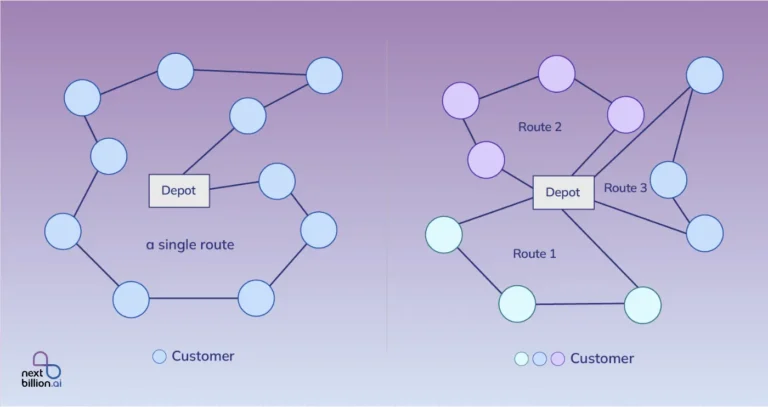
Delivery route optimization should cluster stops by real road movement and not just map proximity. Two addresses might be adjacent on a map and yet be divided by a one-way road, flyover, restricted entry, or a busy intersection. Large-volume operations require clustering, which is representative of the real road movement. Improved clustering minimizes dead mileage, eliminates unnecessary crossovers, and enables each vehicle to traverse a small, manageable area.
Another key variable is driver availability, since the most optimal path theoretically may be of no use when it takes more time than the legal or working hours. Each driver has a shift start time, shift end time, break requirement, and in some cases, overtime limits. These limitations are aggravated when delivery routes stretch across long working days.
Route optimization must ensure that every assigned route can be completed within the driver’s available hours. It must also provide a sufficient buffer for delays, failed deliveries, refueling, loading, unloading, and return-to-base needs. For example, a driver whose shift ends at 4 PM cannot be put on a route that requires him to complete the last stop at 3:55 PM in an ideal traffic situation. High-volume last-mile planning requires realistic route timing, rather than optimistic route timing.
Service time is the actual time a driver spends at a stop after reaching the location. It may involve parking, calling the customer, walking to the building, collecting payment, unloading goods, taking proof of delivery, or completing paperwork. Service time is not properly estimated in most route plans, and it results in wrong ETAs and delayed downstream deliveries.
Various stops have varying service times. Two minutes may be spent on a small doorstep parcel. It can take twenty minutes to deliver furniture. A B2B delivery at a warehouse can be even more time-consuming due to gate entry, security checks, and receiving documentation. Service time should be a serious planning variable in delivery route optimization. Otherwise, the path might seem feasible but fail when implemented.
Not all of the stops are equally important in terms of business. There are regular deliveries and urgent, premium, time-sensitive, or tied to strict service-level contracts. As an example, the delivery of medicine, replacement parts, express parcels, and shipment of products to enterprise customers might require a higher priority than regular orders.
An efficient route optimization system should be able to comprehend priority rules before scheduling deliveries. High-priority stops may need to be placed earlier, assigned to more reliable drivers, or protected against route changes except in exceptional cases.
The system should also be able to strike a balance between priority and efficiency. A single urgent delivery that requires a long distance to be covered by one vehicle can save one SLA at the expense of the rest of the route. The strongest optimization approach finds the best trade-off between service commitment and fleet productivity.

Traffic is one of the biggest reasons static route plans fail. A route planned at 8 AM may become inefficient by 10 AM because of congestion, accidents, road closures, school traffic, weather, or construction. Live traffic may alter the whole order of stops in high-volume delivery operations.
The real-time and historical traffic data should be combined to optimize delivery routes. Past records can be used to forecast the repetitive congestion, e.g., office-hour traffic or evening market rush. Live information assists in changing routes in case of unforeseen inconveniences. This is particularly necessary in urban areas where a short distance might be longer than a longer and faster road. Traffic-aware optimization is necessary because routes can appear short on the map, but be ineffective in reality.
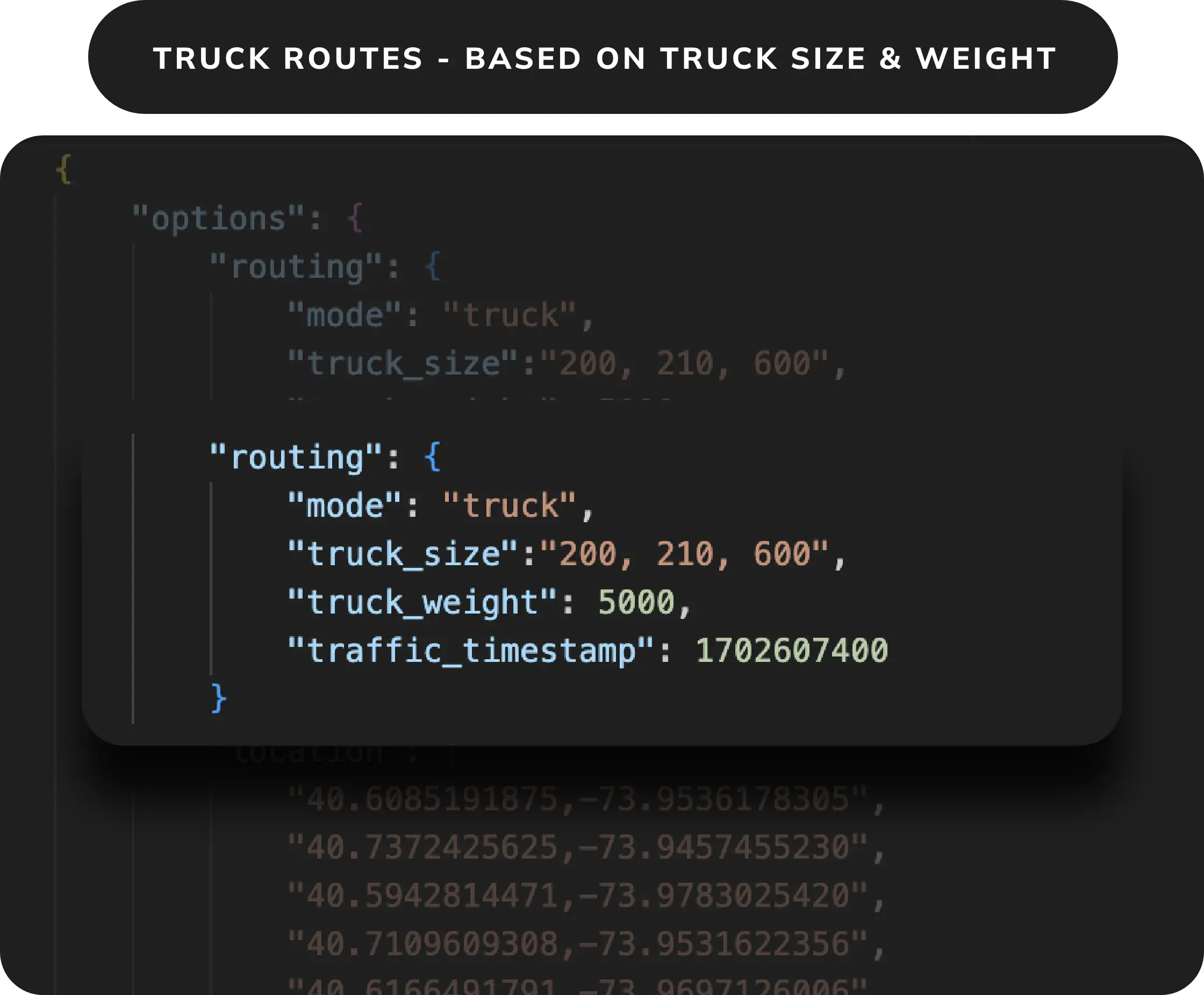
Different locations may have different access restrictions. There are roads that are not accessible to heavy vehicles at certain times. Certain gated communities require entry permissions. There are loading restrictions in certain commercial areas. Certain city alleys might only be bike- or small van-friendly. These restrictions should be considered in route optimization before allocating vehicles.
The type of vehicle is also important for cargo fit. Temperature-sensitive goods might require a refrigerated vehicle. A larger truck may be required for bulky items. A smaller vehicle can be more suitable for small residential streets. The assumption that vehicles are interchangeable generates bad assignments and unnecessary delays. Effective optimization combines the stop, vehicle, cargo, and access conditions.
Last-mile delivery is hardly ever perfect. Customers can be out of reach, addresses can be wrong, vehicles can break down, drivers can be blocked by traffic jams, and urgent orders can be sent to the system when routes are already assigned. Such exceptions require real-time route adjustments.
The high-volume route optimization system must not cease to work when the route is allocated. It must be able to support dynamic re-routing according to live conditions. As an example, in case of a delay by one driver, other vehicles might have to be reallocated to the closest stops. In case of customer rescheduling, the route must update without interfering with the whole plan. On-the-fly optimization assists operations teams in recovering more quickly in response to changes in field conditions.
Route optimization must also consider the cost of running each route. The factors of distance, fuel usage, driver hours, overtime, failed delivery, vehicle wear, and idle hours all influence the cost of delivery. Even a path that satisfies all time windows but has excess vehicles can be inefficient.
The use of the fleet indicates the efficiency in the use of the available vehicles and drivers. Unutilized vehicles add to the expenses, and the overloaded routes cause delays and service failures. It is aimed at achieving a balance between cost, speed and reliability.
An effective optimization system can assist planners to minimize wasteful mileage, enhance the rate of stops being made, avoidable overtime, and determine the appropriate number of vehicles to use on the day of the delivery.
The following are five real-life examples demonstrating the impact of the variables of delivery route optimization on the real last-mile operations:
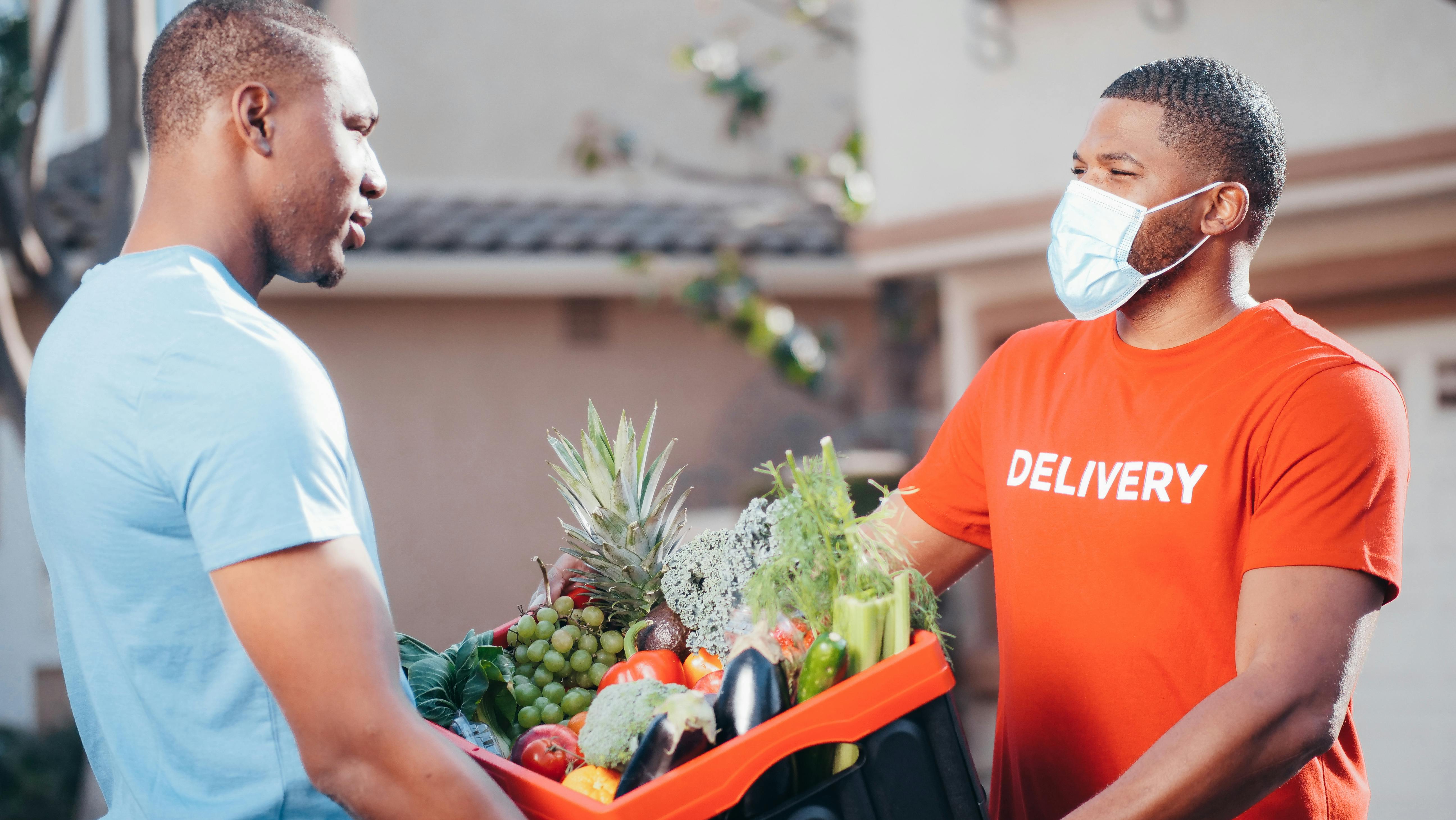
Grocery delivery companies cannot plan routes based on the distance since customers usually select particular delivery slots. One customer may need delivery between 8 AM and 10 AM, while another may be available only after 6 PM. The route must also consider perishable goods, cold-chain considerations, apartment accessibility, and unloading time. Optimization of routes in this case will assist in allocating orders to the appropriate vehicle, securing delivery timeframes, and minimizing late deliveries without overloading drivers.

A pharmacy delivery network may handle regular orders, urgent medicine deliveries, and temperature-sensitive products on the same day. Some orders might require delivery to customers within a narrow time frame, as they might be prescription drugs or urgent refill orders. Route optimization allows urgent stops to be prioritized while keeping regular deliveries efficient. It is also able to dispatch temperature-sensitive products to the appropriate vehicles and change routes once a high-priority order joins the system post-dispatch.
A B2B distributor delivering to retail stores, warehouses, or restaurants must consider receiving hours and loading dock availability. Some stores may accept goods only before business hours. Some warehouses may require entry approval, paperwork, or scheduled unloading slots. Route optimization assists in ordering these stops according to actual receiving rules rather than mere distance. This saves time on waiting, missed unloading slots, and unnecessary returns.
The high-volume delivery teams require a route optimization that should operate within realistic constraints, field conditions, and business-specific delivery regulations. This is where our platform comes in and assists teams to get out of manual route planning and into systematic, execution ready routing.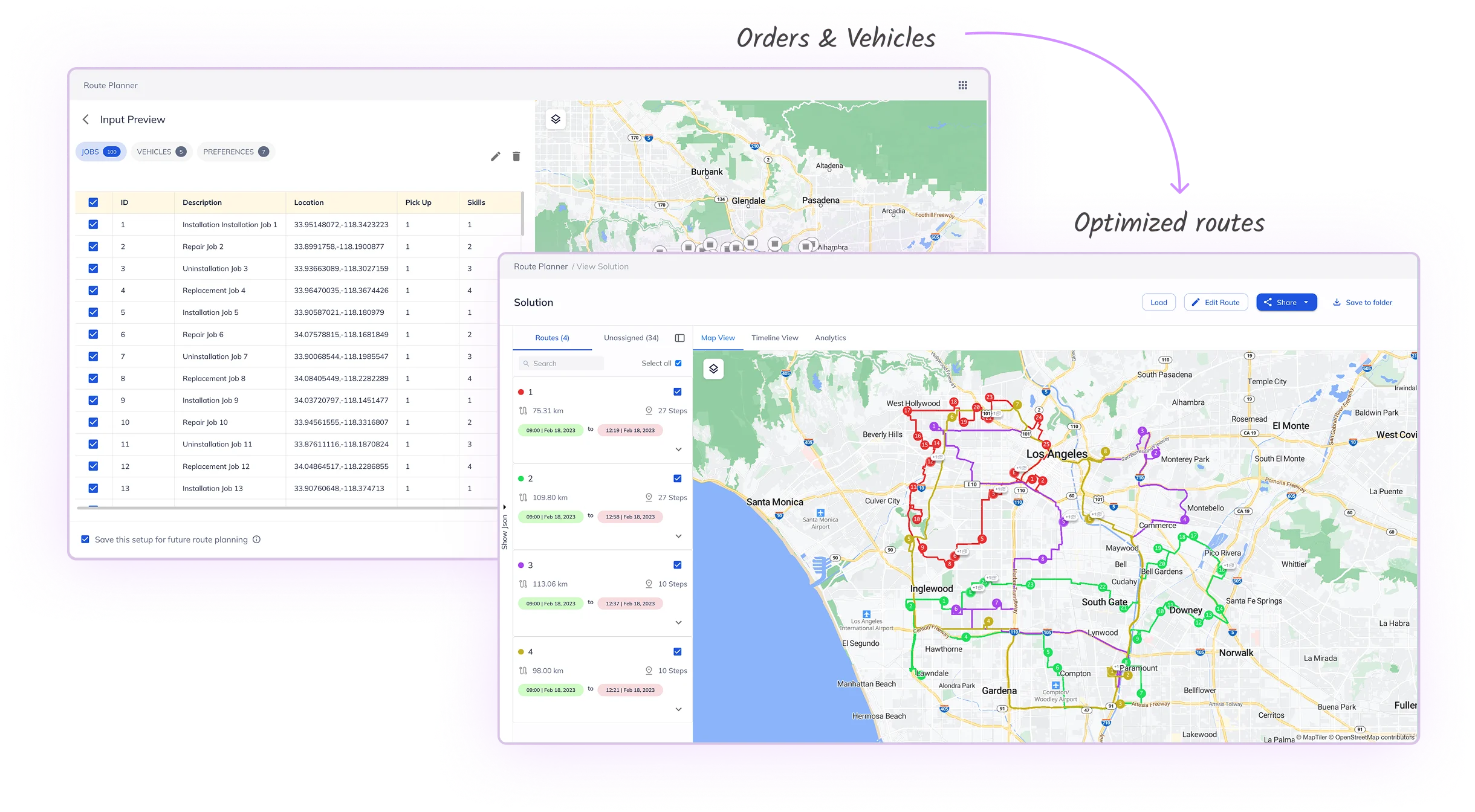
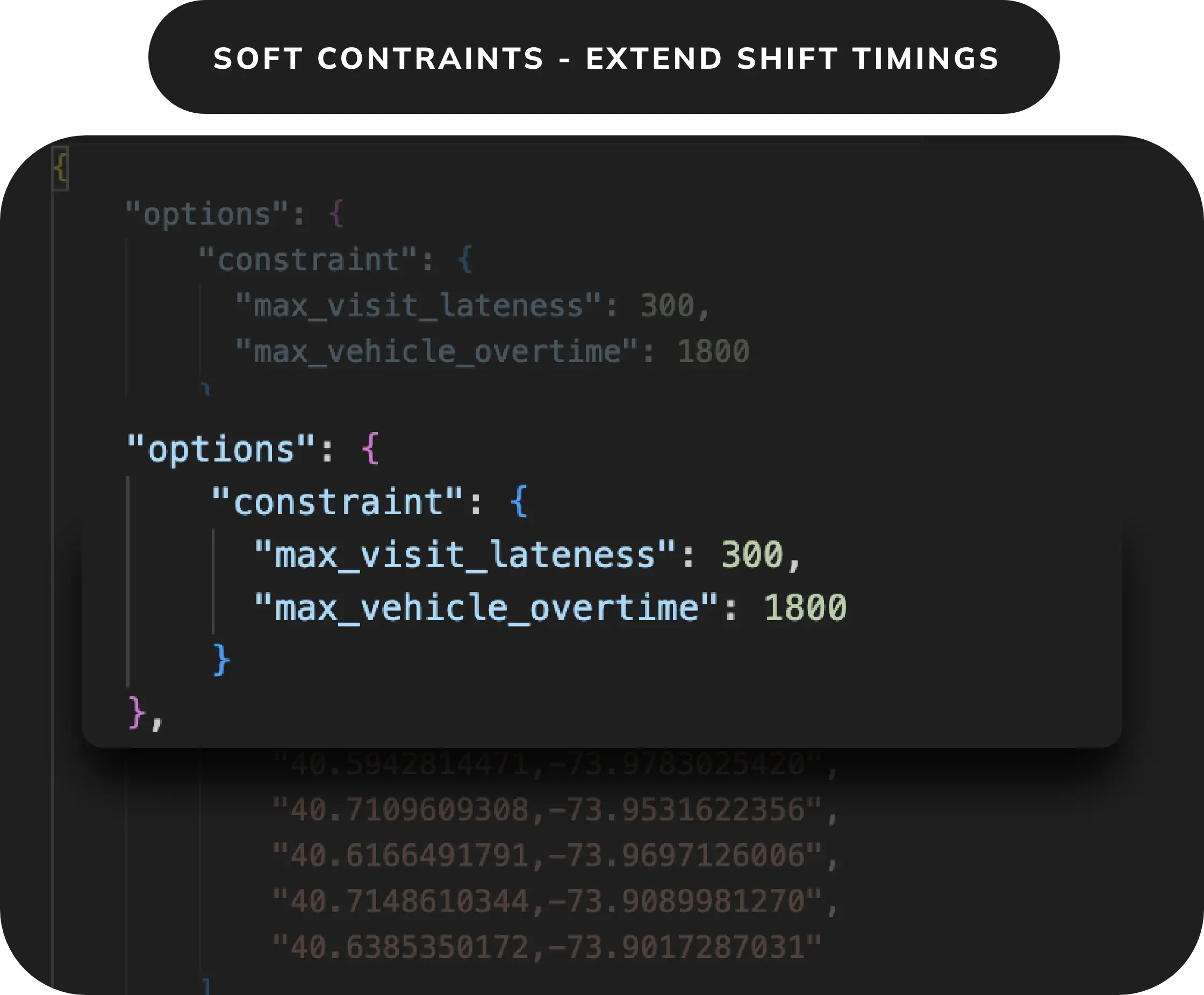
At NextBillion.ai, we assist delivery teams to create routes based on actual operational limitations, rather than map distance. We take into consideration delivery time window, vehicle capacity, driver shift, service time, stop priority, depot rules, and territory limits before constructing route plans. This assists the teams in allocating the appropriate stops to the appropriate vehicles and lessens the manual effort in the daily route planning.
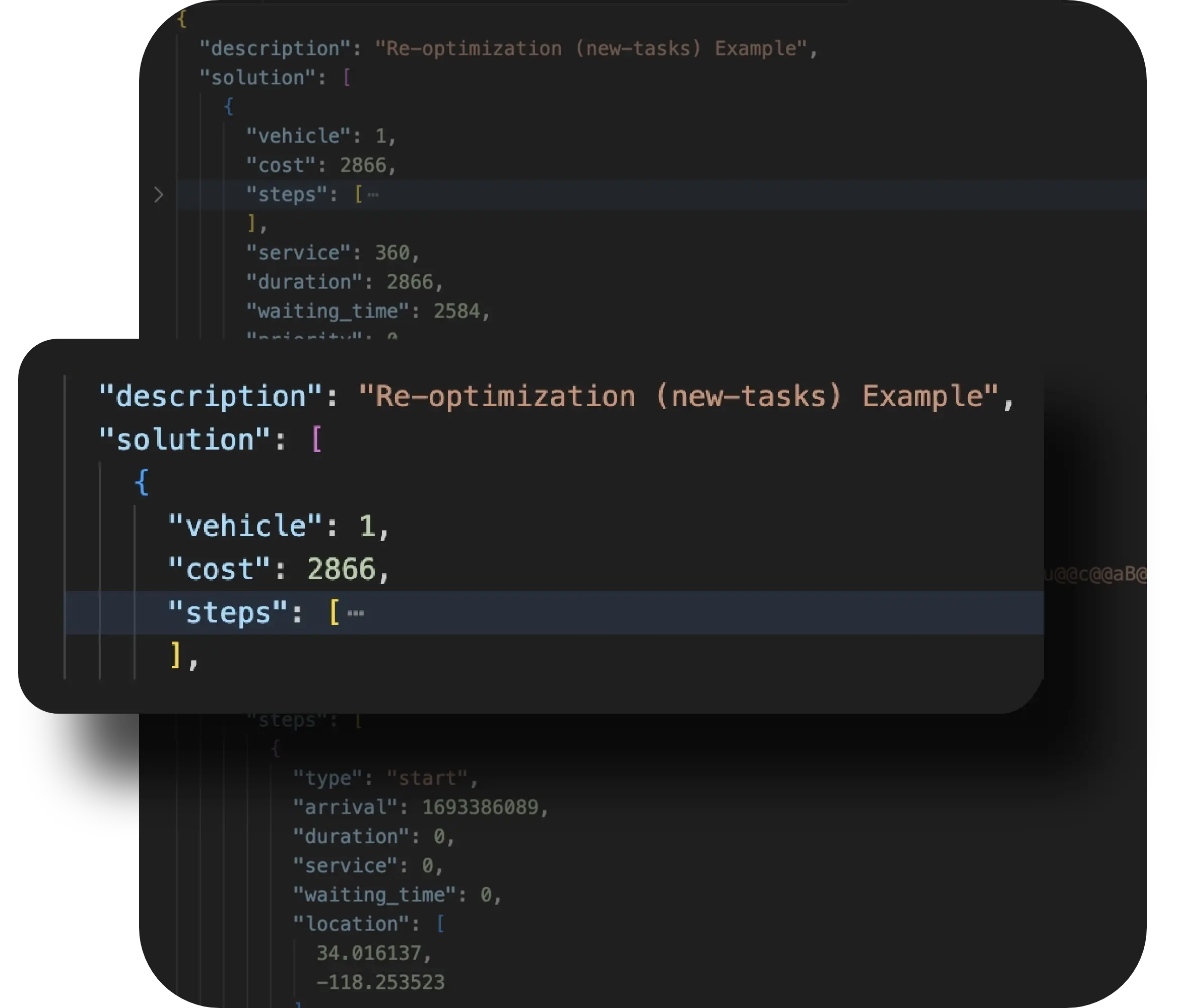
High-volume delivery operations change throughout the day. Traffic builds up, customers reschedule, addresses need corrections, and urgent orders enter the system after dispatch. Our routing platform allows real-time re-routing to enable operations teams to respond in a timely manner without having to rewrite the entire plan. We assist teams in maintaining practical routes when field conditions change.
Our platform assists teams in utilizing available vehicles and drivers more effectively. NextBillion.ai does not overload certain routes and underutilize others, but balances work across the fleet in terms of capacity, distance, delivery windows, and working hours. This assists in minimizing unnecessary mileage, preventable overtime, and enhances on-time performance across busy delivery networks.
NextBillion.ai is built for teams that require routing logic within their own systems. Our routing APIs are able to handle complex last-mile, logistics, field service, and fleet operations that require more than standard map routing. Our APIs can be incorporated by teams into their dispatch systems, TMS, driver apps, and internal planning tools to streamline route optimization into a more systematic, flexible, and execution-ready format.
Every delivery network has its own operating logic. There are certain teams that require definite driver areas. Some require priority-based assignments. Others require routes that consider limited areas, preferred drivers, depot regulations, or customer-specific delivery guidelines. Our platform assists teams in designing routing based on these business rules in such a way that the output reflects how the operation works in reality.