


Table of Contents
In the logistics industry, planning the fastest route is not always the right approach. Routes generated for on-road fleets must consider where vehicles are permitted to operate, while staying aware of low-emission zones, restricted roads, safety-sensitive areas, and business-defined service boundaries. Ignoring these constraints can lead to route violations, delays, manual rerouting, and compliance risks.
Effective route planning accounts for these real-world factors from the outset, ensuring that routes are not only optimized for efficiency but also compliant, reliable, and operationally feasible in day-to-day operations.
Below is a brief overview of allowed and restricted zones, zone-based routing, and why it matters in real-world logistics operations.
What Are Allowed and Restricted Zones?
Allowed and restricted zones define the geographic rules that guide how routes are planned in real-world logistics operations. Allowed zones represent areas where vehicles are permitted or preferred to operate, such as approved delivery corridors, designated service regions, or customer-specific access areas. In practice, logistics providers often organize operations by defining clear regional zones for drivers, ensuring each driver consistently operates within a specific geographic area. Deliveries are grouped and assigned based on these zones to reduce travel time, balance workloads, and improve overall route efficiency. Over time, drivers develop strong familiarity with their zones, understanding local traffic patterns, access points, and customer preferences which leads to faster service, fewer delivery issues, and more reliable ETAs.
Zone-based planning also allows service teams to assign jobs to agents who are already known within an area, strengthening customer trust and improving service quality.
On the other hand, Restricted zones identify areas that a fleet must avoid altogether. These may include low-emission zones where certain vehicle types are prohibited, no-entry roads in city centers, construction areas, or safety-sensitive locations.
For example, a fleet operating heavy trucks may need to avoid restricted zones such as low-emission areas, weight- or height-limited roads, tunnels, and city streets where truck access is prohibited. Routes may also need to reroute around temporarily restricted areas caused by construction, accidents, or road maintenance.
Why Traditional Routing Fails in Real-World Operations
The existing traditional routing systems are not designed to support advanced, zone-based constraints. They focus on optimizing routes for speed or distance, but fall short when routes must comply with regulatory zones, vehicle-specific restrictions, or complex access rules.
Without built-in support for allowed and restricted zones, these tools struggle to create routes that are both efficient and compliant. This forces operations teams to handle exceptions manually and respond to issues only after vehicles are already on the road.
Here’s a quick side-by-side comparison of traditional routing and zone-aware routing.
Traditional Routing Vs Zone-based Routing
| Features | Traditional Routing | Zone-based Routing |
| Route Optimization Logic | Focuses mainly on fastest or shortest path | Balances efficiency with geographic and compliance constraints |
| Allowed & Restricted Zones | Absent or Limited Support | Built-in support for defining & marking zones |
| Handling Low-Emission Zones | No Support | In-built Support |
| Permit Awareness | Not designed for permit-based routing | End-to-end support for permit-aware routing |
| Dynamic Road Restrictions | Requires post-route corrections | Incorporated directly into the route planning |
How NextBillion.ai Supports Zone-Aware Routing
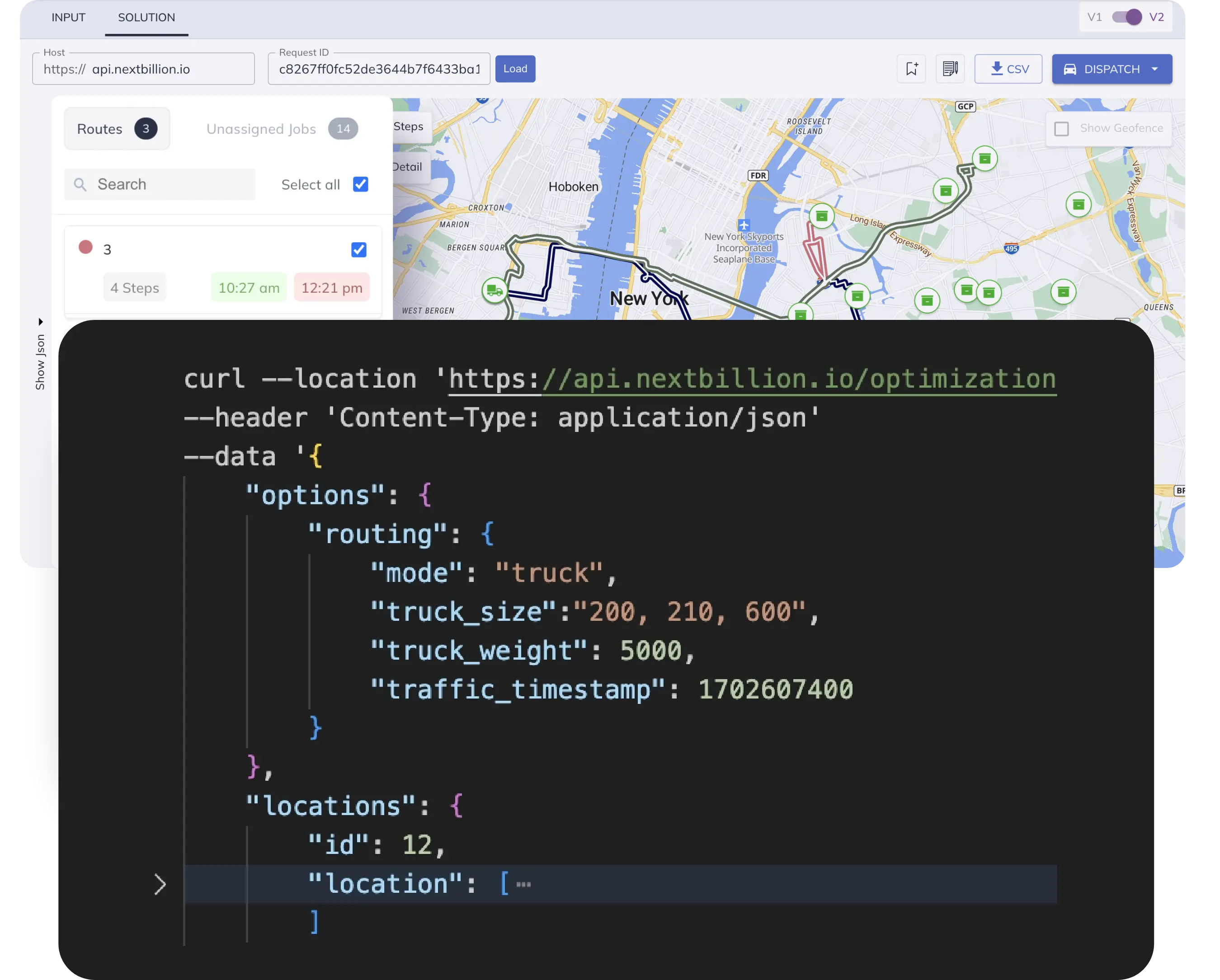
With NextBillion.ai, teams can easily define their allowed and restricted zones using geofences. These zones can represent anything from low-emission areas and no-entry roads to weight-restricted streets or business-defined service boundaries.
Once set up, these rules are applied directly during route planning, so every route generated already respects where vehicles can and cannot go.
What makes this especially useful is that zone rules are enforced upfront, not after routes are created. This means fleets don’t have to rely on manual checks, driver judgment, or last-minute rerouting. Routes are planned with compliance in mind from the beginning, helping teams avoid violations, delays, and operational surprises on the road.
NextBillion.ai’s APIs work seamlessly with your existing routing ecosystem, allowing you to layer in zone-aware constraints without replacing your current infrastructure.
If you don’t already have these zones mapped or need help translating regulations into practical routing rules, the NextBillion.ai team is there to support you.
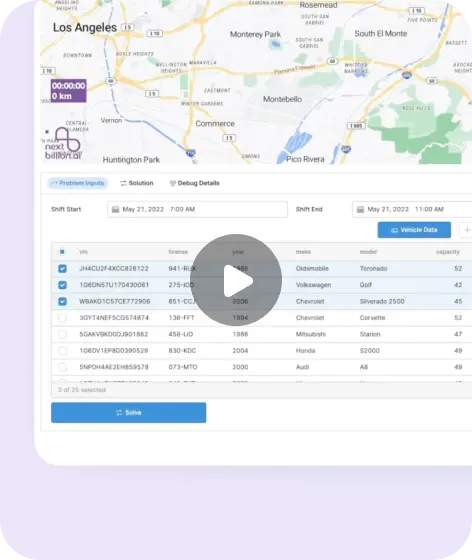
From building and validating geofences to tailoring zones for specific vehicle types or regions, the team works closely with you to ensure zone-aware routing fits seamlessly into your day-to-day operations. Watch the demo video to see how NextBillion.ai enables zone-aware routing in real-world scenarios.
Key Use Cases for Zone-Based Route Planning
Last-Mile Delivery
In last-mile delivery, vehicles often operate in dense urban areas with low-emission zones, no-entry streets, time-based access rules, and customer-specific delivery boundaries. Zone-based route planning ensures delivery vehicles follow only permitted corridors, avoid restricted areas, and generate regulation-aware ETAs. This reduces compliance violations, delivery delays, and last-minute rerouting in dense city centers.
Zone intelligence is equally important for customer- and location-specific delivery boundaries. Retailers and distributors often define micro-zones for priority customers, curbside-only drop-offs, or building-specific access points such as loading bays. Zone-aware routing guides drivers to the correct approach paths and delivery locations, minimizing failed attempts and inefficient stops.
Let us understand the on-ground implementation with an example. A grocery delivery fleet operates in a city center with a low-emission zone active from 8 a.m. to 8 p.m., pedestrian-only streets during peak hours, and designated delivery windows for residential buildings. Zone-based routing automatically plans compliant routes for each vehicle based on emission class, delivery time, and building access rules. When a street becomes temporarily restricted due to a local event, affected routes are recalculated in real time, ensuring on-time deliveries without manual intervention or regulatory violations.
Field Services
Field service teams operate across wide and often fragmented service territories, traveling between customer sites, industrial zones, gated communities, and access-controlled facilities. Zone-based routing ensures technicians are guided only through approved service regions while avoiding restricted areas such as private roads, secure campuses, hazardous zones, or locations requiring special permits. By embedding these geographic rules directly into route planning, organizations achieve more predictable travel times, safer routes, and fewer on-site access issues.
Zone-based routing also supports operational policies and service-level commitments. Service providers can define zones based on technician certifications, safety requirements, customer contracts, or time-based access rules, ensuring the right technician reaches the right site at the right time. This reduces missed appointments, unnecessary detours, and last-minute manual rerouting, while improving first-time fix rates and overall field productivity.
The following example illustrates how zone-based routing is implemented in real-world field operations. A utilities maintenance company services equipment across residential areas, industrial parks, and a restricted research campus. Only certified technicians are permitted to enter the campus, and access is limited to specific hours. Zone-based routing assigns eligible technicians to those jobs and plans routes that comply with access rules. If a restricted road becomes unavailable due to maintenance, routes are automatically adjusted, keeping technicians on schedule and service commitments intact.
Waste Collection
Waste collection operations are tightly governed by municipal regulations, vehicle weight limits, and neighborhood access rules. Certain streets restrict heavy vehicles, residential areas may allow collection only during specific time windows, and sensitive zones such as schools, hospitals, or pedestrian areas often have additional access constraints. Zone-based route planning embeds these rules directly into route generation, ensuring collection vehicles follow only approved corridors while avoiding restricted or unsuitable streets.
Zone intelligence also helps municipalities and service providers manage diverse collection requirements across different zones such as residential, commercial, and industrial areas, each with its own schedules, vehicle types, and service frequencies. By planning routes that respect zone-specific access rules and time restrictions, waste collection fleets reduce route violations, minimize disruptions to local communities, and maintain consistent, predictable collection operations without manual intervention.
On-ground implementation can be illustrated through the following scenario. A municipal waste collection fleet operates across residential neighborhoods, commercial districts, and school zones. Heavy vehicles are prohibited on certain residential streets during morning hours, while school zones restrict access during peak times. Zone-based routing automatically schedules and plans collection routes that comply with these constraints, directing trucks through approved streets and adjusting routes when temporary restrictions are introduced,ensuring timely collection without regulatory breaches or resident complaints.
Final Thoughts
As logistics operations grow more complex and regulated, routing decisions must account for far more than speed or distance alone. Allowed and restricted zones add an essential layer of intelligence to route planning, ensuring fleets operate within regulatory boundaries, vehicle limitations, and business-defined rules.
Zone-aware routing helps teams move from reactive fixes to proactive planning, reducing violations, improving reliability, and creating routes that work in real-world conditions. By embedding geographic and compliance constraints directly into the routing process, organizations can scale operations with greater confidence and control.
With zone-aware routing capabilities from NextBillion.ai Routing & Dispatch Planning App, fleets can build routing systems that are not only efficient, but also compliant, practical, and ready for the realities of day-to-day operations.
Ready to get started?
Request a DemoTable of Contents
Subscribe to our Newsletters
Get the best practices for route planning & optimization, delivered to your inbox.
Subscribe