

Table of Contents
A modern Scrap Collection Business operates as a logistics + recycling + data system. It is no longer just about collecting waste, it is about optimizing movement, maximizing asset utilization, and ensuring traceability across the lifecycle of materials.
Core components include:

These materials are collected from households, commercial establishments, Industrial facilities, and construction sites
They are then transported to sorting centers, recycling plants, or resale markets.
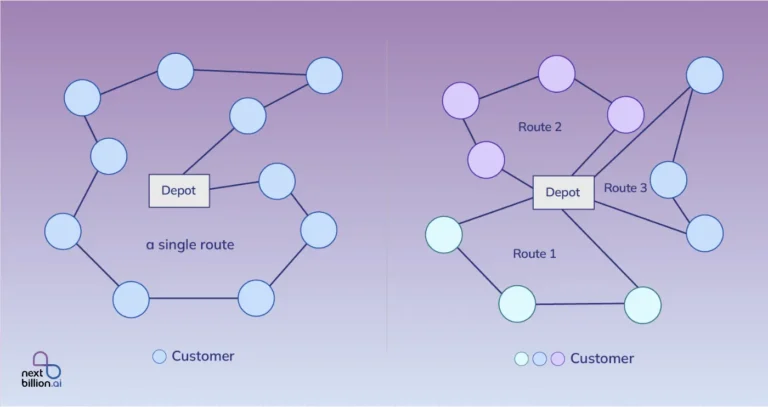
Inefficient routing is one of the most critical challenges in scrap collection, primarily because the business depends heavily on transportation efficiency for profitability. In many operations, routes are either manually planned or reused as static schedules, without considering real-time variables such as traffic conditions, new pickup requests, or vehicle capacity constraints. This leads to suboptimal route structures where vehicles travel longer distances than necessary, revisit the same areas multiple times, or operate with partially filled loads.
The direct impact of this inefficiency is a significant increase in fuel consumption, which is often one of the largest operational expenses in scrap logistics. Over time, even small inefficiencies compound into substantial cost overruns. Longer routes also reduce the number of pickups that can be completed within a day, limiting revenue potential and reducing service coverage. Additionally, drivers may experience fatigue due to extended travel times, which can further impact productivity and safety.
Scrap collection demand is inherently unpredictable and highly variable. Unlike traditional logistics systems where deliveries are planned in advance, scrap generation depends on human behavior, industrial activity, and external factors such as weather or economic cycles. Residential pickups may fluctuate based on seasonal cleaning trends, while industrial clients can generate large volumes of scrap unexpectedly due to production changes, equipment upgrades, or project completions.
This dynamic nature creates challenges in planning and resource allocation. Businesses must be prepared to handle sudden spikes in demand without overcommitting resources during low-demand periods. For example, a scrap collection company may experience a surge in requests after holidays or during construction booms, requiring rapid adjustments in routing and fleet deployment.
Handling dynamic demand effectively requires systems that can adapt in real time. Without such capabilities, businesses either miss opportunities due to lack of capacity or incur unnecessary costs by maintaining excess resources. This unpredictability makes traditional static planning approaches ineffective and highlights the need for dynamic routing and flexible scheduling solutions.
Fleet utilization is another complex challenge that directly impacts operational efficiency and profitability. Scrap collection fleets typically consist of vehicles with varying capacities, specifications, and operational constraints. Ensuring that each vehicle is used optimally requires balancing multiple factors simultaneously.
Vehicle capacity must be managed carefully to avoid both underutilization and overloading. Underutilized vehicles result in wasted resources, while overloading can lead to regulatory violations and safety risks. Driver availability also plays a crucial role, as shifts, working hours, and skill levels must be aligned with operational requirements.
Geographic distribution adds another layer of complexity. Vehicles must be positioned strategically across service areas to minimize travel time and ensure quick response to pickup requests. Poor distribution can lead to situations where some vehicles are overburdened while others remain idle.
Data fragmentation is a widespread issue in Scrap Collection Businesses, particularly those transitioning from traditional to digital operations. Many organizations still rely on disconnected systems such as manual logs, spreadsheets, and standalone software tools to manage different aspects of their operations. For example, pickup requests may be recorded in one system, routing plans in another, and financial data in yet another.
This lack of integration creates significant inefficiencies. Data must be manually transferred between systems, increasing the risk of errors and inconsistencies. Decision-making becomes slower and less accurate because information is not readily available in a unified format. Additionally, the absence of real-time data visibility makes it difficult to monitor operations and respond to issues proactively.
Fragmented data also limits the ability to perform advanced analytics. Without a centralized data repository, businesses cannot easily analyze trends, measure performance, or identify areas for improvement. This hinders strategic planning and reduces the overall effectiveness of operations.
Compliance and traceability are becoming increasingly important in the scrap collection industry, particularly as environmental regulations become more stringent. Certain types of waste, such as hazardous materials and electronic waste, require strict handling, documentation, and reporting procedures. Failure to comply with these regulations can result in legal penalties, reputational damage, and operational disruptions.
Traceability is essential for ensuring that materials are collected, transported, and processed in accordance with regulatory requirements. This involves maintaining detailed records of each transaction, including the source of the material, the quantity collected, and the destination facility. In many cases, businesses must also provide proof of proper disposal or recycling during audits.
Environmental audits further increase the need for accurate and accessible data. Companies must demonstrate compliance with sustainability standards and provide evidence of their environmental impact. Without robust systems, maintaining this level of documentation can be challenging and resource-intensive.
In addition to regulatory requirements, customers and partners are increasingly demanding transparency in waste management practices. Businesses that can provide clear, verifiable data on their operations gain a competitive advantage, while those that cannot may struggle to build trust and secure contracts.
At the core of NextBillion.ai‘s offering is its advanced Route Optimization API, which allows scrap collection businesses to generate highly efficient routes while accounting for real-world operational constraints.
The platform supports more than 50 routing constraints, enabling businesses to plan routes that consider vehicle capacity, time windows, traffic conditions, and disposal site availability. This ensures that scrap pickup operations are not only efficient but also aligned with operational and regulatory requirements. 
Refer Nextbillion.ai’s Route Optimization API to optimize your delivery routes to maximize efficiency, save time, and reduce costsRefer
One of the most critical challenges in scrap collection is ensuring that vehicles are neither underutilized nor overloaded. NextBillion.ai addresses this through intelligent capacity optimization, allowing businesses to assign pickups based on vehicle load limits, material types, and operational constraints.
The system can dynamically determine the minimum number of vehicles required to service a given set of pickups, ensuring maximum fleet utilization and reducing unnecessary trips.
Scrap collection operations often involve handling different types of materials such as metals, plastics, hazardous waste, and e-waste. Each type may require specific handling procedures, vehicle types, and disposal facilities.
NextBillion.ai enables route planning based on waste type by assigning specific “skills” and routing profiles to vehicles. This ensures that only compatible vehicles are assigned to specific pickup tasks, preventing cross-contamination and ensuring compliance with environmental regulations. 
For example, hazardous waste can be routed using specialized vehicles that avoid restricted roads and comply with safety requirements, while recyclable materials can be handled through separate optimized routes.
Scrap collection is highly dynamic, with new pickup requests, traffic disruptions, and operational delays occurring throughout the day. NextBillion.ai enables real-time tracking and dynamic route adjustments, allowing businesses to respond instantly to changing conditions.
Routes can be re-optimized mid-shift to accommodate new requests or disruptions, ensuring that operations remain efficient and service levels are maintained. This real-time adaptability is critical for on-demand scrap pickup models and urban waste collection systems.
Additionally, live tracking provides complete visibility into fleet movements, enabling operations teams to monitor progress, predict delays, and improve overall coordination.
Refer Live Tracking API for real-time information on the location, status, and activity of assets.
In large cities, scrap collection operations are often divided into zones based on population density, waste generation patterns, or regulatory requirements. NextBillion.ai supports zone-based routing, allowing businesses to assign specific vehicles to designated areas and optimize routes within those zones.
This approach ensures that resources are allocated efficiently and that high-demand areas receive adequate coverage. It also prevents route overlaps and reduces unnecessary travel, improving overall operational efficiency.
For scrap collection businesses scaling across multiple regions, zone-based routing provides a structured framework for managing operations at scale.
Scrap collection often involves strict time windows, especially for industrial clients, commercial establishments, and regulated waste types. NextBillion.ai enables precise scheduling by allowing businesses to define time constraints for both pickup and disposal.
Routes are optimized to ensure that collections occur within permitted timeframes and that waste is delivered to processing facilities within their operating hours.
This synchronization between collection and disposal is essential for maintaining compliance and avoiding operational delays.
Driver productivity and safety are critical in scrap collection operations. NextBillion.ai enables balanced workload distribution by assigning routes based on driver working hours, break requirements, and starting locations.
This prevents overburdening specific drivers while ensuring that all resources are utilized effectively. Balanced workloads also reduce fatigue and improve safety, which is particularly important in physically demanding scrap collection environments.
Modern scrap collection businesses are increasingly adopting on-demand models, where customers can request pickups in real time. NextBillion.ai supports this model by enabling dynamic route generation that incorporates new requests without disrupting existing schedules.
The platform is also highly scalable, capable of handling thousands of pickup points in a single optimization run, making it suitable for large urban operations and enterprise-scale deployments.
NextBillion.ai is designed to integrate seamlessly with existing logistics systems such as fleet management platforms, telematics systems, and ERP solutions. This allows scrap collection businesses to enhance their existing infrastructure with advanced routing and optimization capabilities.
By acting as a centralized routing engine, the platform ensures that all operational data flows through a unified system, reducing fragmentation and enabling better decision-making.