

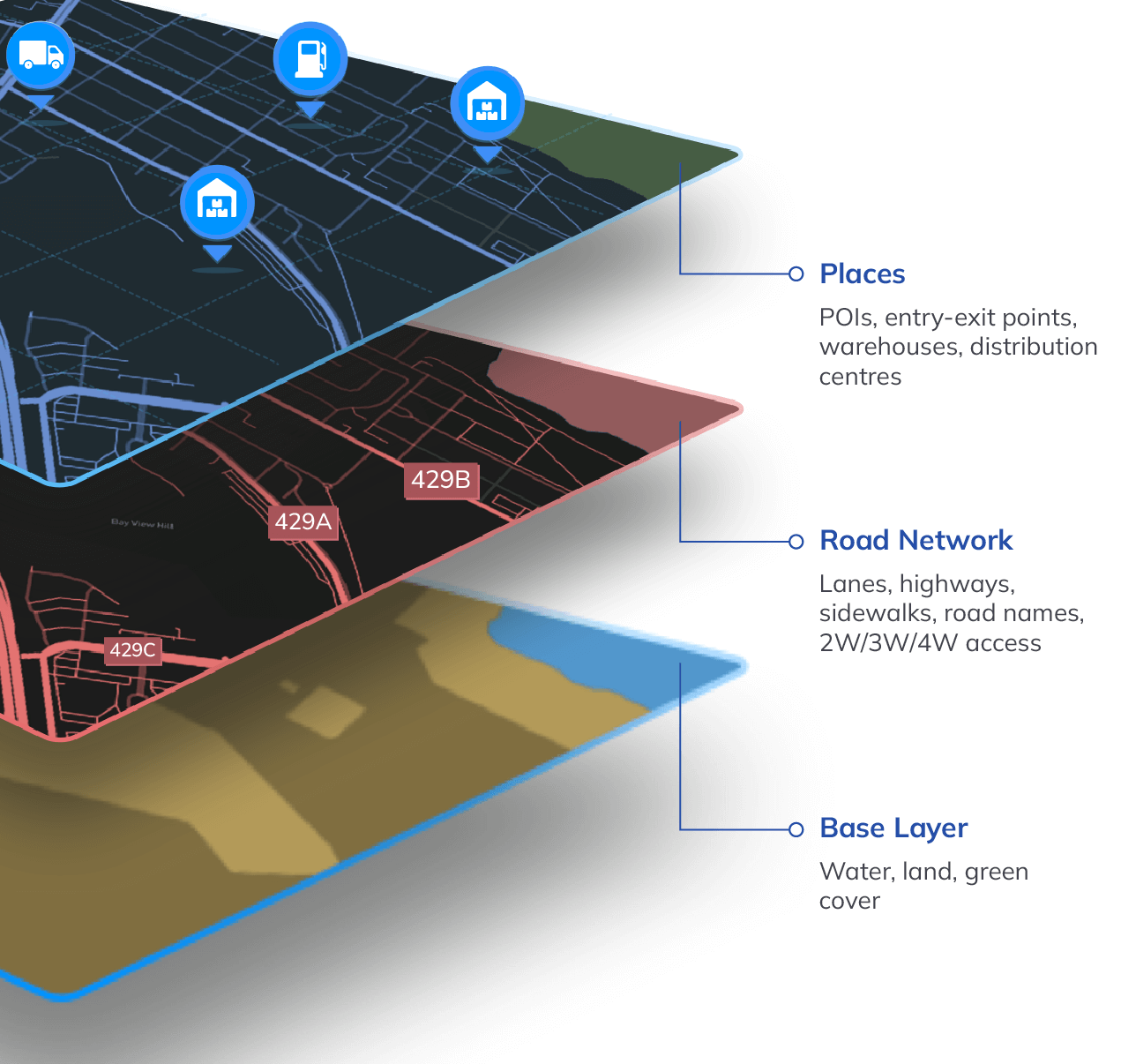
dispatch tracking

Dispatch Tracking: Key Steps & Benefits Explained

Published: December 10, 2025

Have you ever wondered how companies manage to deliver thousands of orders per day with almost flawless accuracy, even at the busiest times of the day? The backbone of modern logistics, which is frequently neglected, is located behind that smooth orchestration: dispatch tracking. Due to the growth of businesses and increasing customer demands, it has become necessary to know at all times where drivers, vehicles, and shipments are. Dispatch tracking enables organizations to streamline routes, minimize delays, enhance visibility, and provide high-quality customer experiences over and over again. 

If you wish to know the mechanism behind it, its importance, and the way it revolutionizes delivery operations, this guide is the way to go. Let us learn more:

What Is Dispatch Tracking?

Dispatch tracking is a live tracking, coordination, and control of the delivery processes that start with the process of assigning an order to a driver and all the way to the final delivery confirmation. It is an all-encompassing technological platform which combines GPS tracking, route intelligence, driver communication, automated alerts, and delivery validation. The consolidation of these capabilities in one system, dispatch tracking offers full supply chain transparency and makes every movement controllable, auditable, and optimized.

Fundamentally, dispatch tracking is a tool that changes the conventional approach of running delivery management as a reactive and manual activity to a proactive and data-driven business model. It provides enterprises with a constant overview of the position of vehicles, driver actions, and road navigation. It checks on the routes being taken as scheduled, drivers fulfilling their time schedule, and deliveries being met by the customer. By doing this, dispatch tracking is the operating nervous system that helps to facilitate reliability, speed, and accountability throughout delivery workflows.

Importance of Dispatch Tracking in Modern Logistics

dispatch tracking
  • Real-time Operational Visibility: Provides real-time information about the location of vehicles, the status of drivers, and order tracking, which allows dispatchers and managers to make informed decisions in time.

  • Delivery Planning Accuracy: Relies on real-time movement information, traffic conditions, and predictive intelligence to optimize schedules and ETAs, and greatly minimizes the uncertainty in planning.

  • Enhancement of Customer Experience: Offers the customers transparent tracking links, proactive notifications, and accurate delivery schedules, leading to an increased level of satisfaction and trust.

  • Faster Issue Resolution: Detects route deviations, route delays, or operational exceptions immediately to allow the teams to react promptly before service quality is compromised.

  • Resource and Cost Optimization: Assures a well-utilized vehicle, reduces fuel consumption, and gets rid of the inefficiency in routes by optimization and implementation that is supported by data.

  • More Compliance and Accountability: Produces an electronic record of driver operations, stops, and delivery verifications, enhancing regulatory adherence and operational accountability.

  • Scalability of High-Volume Operations: Facilitates the easy management of hundreds or thousands of daily deliveries even in volatile or high demand seasons like peak seasons.

Core Components of a Dispatch Tracking System

Here are the foundational elements that power a modern dispatch tracking system:

Dispatch Management Dashboard

A dispatch management dashboard is the main command station where all the delivery operations are monitored, coordinated, and controlled by the logistics teams. It consolidates real-time information about the drivers, vehicles, orders, and routes, providing a single perspective of the fleet status, service progress, pending tasks, and possible delays. With sophisticated analytics and visual cues, dispatchers are able to detect bottlenecks, adjust assignments, react to exceptions, and have a seamless flow of deliveries. The dashboard serves as the nerve center that coordinates the work and keeps all the stakeholders on track.

Driver Mobile App With GPS Tracking

The driver mobile app offers on-ground connectivity, which captures real-time GPS positioning, task updating, navigation instructions, and activity logs. It also removes the necessity of manual communication as it allows drivers to be provided with route plans, to designate the stops as completed, to upload the evidence of delivery, and to report the issues in real time. This flow of information enhances visibility, accountability of the drivers, and proper tracking of every movement between dispatch and delivery.
Route Optimization Engine
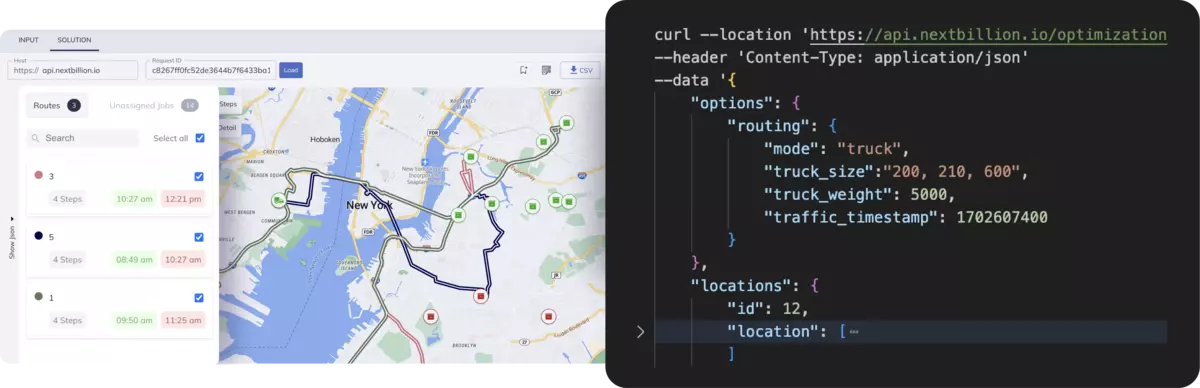
route optimization

The route optimization engine is an algorithmic engine that makes use of traffic intelligence, delivery constraints, and an algorithm to compute the most efficient route to any vehicle. It considers the priority of orders, vehicle capacity, road conditions, service windows, and the schedules of drivers. The engine minimizes the travel time, fuel consumption, and operational costs by smartly sequencing stops and minimizing needless mileage, as well as providing predictable ETAs. Scaling of high-volume dispatch operations is necessary with accuracy.

Customer Communication and Notification Tools

The communication tools keep the customers updated throughout the delivery life cycle with real-time updates, tracking links, automated alerts, and ETA notifications. These tools enhance transparency and minimize the number of inbound customer requests by being proactive in communicating dispatch status, driver arrival time, delays, or shipment completion. This increases trust, satisfaction, and ensures a more predictable delivery experience.

Proof of Delivery Technology

proof of delivery

Proof of delivery (POD) applications digitize the last phase of the dispatch cycle by taking photos, e-signatures, barcodes, time, and place confirmations. This confirms that every order has been delivered to the appropriate customer at the appropriate time and place. POD eradicates conflicts, enhances accountability, and establishes a dependable audit trail to check compliance, communication with customers, and operational audit.

Performance and Operations Analytics

The analytics modules convert operational data into insights that can enable businesses to streamline their delivery workflows. Efficiency of the routes, driver performance, on-time delivery, fuel consumption, stop time, and customer feedback are metrics that aid in strategic decision-making. Knowing the trends and finding inefficiencies, organizations can constantly improve their dispatch processes and cut costs as well as improve the quality of the services.

Key Steps in the Dispatch Tracking Process

Here are the key steps in the dispatch tracking process:

Step 1: Order Creation and Scheduling

The dispatch process starts with an order being received into the system via an eCommerce platform, ERP, TMS, or manually. The system classifies the order in terms of delivery windows, service-level agreements, package type, and geographic location. The automated scheduling engines then set the best delivery date and time slot depending on the capacity, operational constraints, and delivery commitments. This guarantees an orderly commencement of the dispatch cycle and avoids overloads or service promises.

Real-time examples:

  • A customer orders groceries, and the system automatically allocates a time window on the same day depending on the inventory and the availability of drivers.

  • A service technician request is scheduled for a 2 p.m. to 4 p.m. slot because the system identifies open capacity for that region.

  • Automatic next-day pickup of a bulk freight shipment is based on availability at the dock of the warehouse.

Step 2: Driver and Vehicle Assignment

After scheduling orders, they are matched with the most suitable drivers and vehicles by the system. The assignments are based on the type of vehicle, load capacity, distance to pickup points, cluster of routes, driver proficiency, compliance, and shift times. Automated assignment eliminates human mistakes and makes sure that resources are used effectively and in accordance with regulations.

Real-time examples:

  • An auto-assigned refrigerated truck is on a medical supplies delivery that needs to be at a certain temperature.

  • A hazmat certified driver is provided to carry chemical drums.

  • The nearest courier to the pickup point is chosen to reduce the deadhead miles.

Step 3: Route Optimization

The route optimization engine produces the most efficient routes based on factors like traffic, weather conditions, priority stops, service windows, and vehicle constraints. It intelligently sequences to minimise the mileage, fuel consumption, and travel time as well as enhancing the accuracy of the ETA. Dynamically adjusted routes due to live disruptions are also provided through advanced systems.

Real-time examples:

  • The system reroutes a driver because of sudden congestion due to an accident.

  • The orders with high priority are shifted at the beginning of the route to fulfill the express delivery promises.

  • The last stops made by a driver are rearranged as the customer modified the availability window.

Step 4: Real-Time Tracking

The dispatch platform is constantly updated with GPS information delivered by mobile applications or telematics equipment as drivers start their routes. Managers keep track of vehicle movement, stop time, route compliance, delays, and deviations in real time. This is due to its continual visibility which allows issues to be addressed proactively, service reliability, and responding to exceptions in real time.

Real-time examples:

  • The dispatcher notices a driver stuck at a stop for too long and checks if assistance is needed.

  • The system identifies a route diversion that may cause a delay.

  • Surveillance indicates that a driver is arriving late to the warehouse, and this leads to a shift change.

Step 5: Customer Updates

Customers are provided with an automated notification of their orders, such as dispatch confirmation, live tracking links, ETA notifications, and delay alerts. Early communication minimizes the outbound requests, increases transparency, and builds trust.

Real-time examples:

  • A customer gets a text message saying their driver is 10 minutes away.

  • A delay notification is sent when traffic conditions worsen.

  • There is a tracking link indicating the present position and updated ETA of the driver.

Step 6: Proof of Delivery Capture

After making a delivery, drivers record digital evidence in the form of photos, signatures, barcodes, time, or geotagged information. This confirms that the order has been delivered correctly and offers documentation minimizing conflicts and enhancing accountability.

Real-time examples:

  • A driver collects an e-signature from a customer receiving a high-value parcel.

  • A contactless delivery is done by posting a photo of a package at the doorstep.

  • A pallet barcode is scanned upon arrival to ensure that it has been received.

Step 7: Post-Delivery Metrics Review

Analytics tools are used to analyze operational data after deliveries are made to measure performance. On-time rates, route efficiency, delivery success rates, fleet utilization, and customer feedback are some of the metrics used by teams to understand where gaps exist and can be used to optimize future dispatch cycles. It is through transforming these insights into remedial measures that continuous improvement is achieved.

Real-time examples:

  • Managers review that 20 percent of deliveries were delayed due to a recurring congestion zone.

  • Analytics show a driver consistently exceeds stop times, prompting coaching or training.

  • The heatmap of routes indicates that the routes are performing poorly and require redesigning.

Benefits of Dispatch Tracking

Here are a few notable benefits of dispatch tracking: 

Improved Delivery Accuracy

Dispatch tracking also improves accuracy by tracking every step of the delivery process in real time. Having the right GPS information, the best routes, and automatic updates helps businesses to make sure that each order arrives at the right place at the right time. This helps eliminate delivery mistakes, helps to reduce returns or misdelays, and helps to increase customer confidence in the quality of the service.

Increased Customer Satisfaction

Customers are demanding more visibility, convenience, and updates. The features of dispatch tracking include proactive notification, real-time driver tracking, and precise ETAs, which enhance a smooth delivery process. Companies raise customer satisfaction and promote long-term loyalty by fulfilling the expectations every time and maintaining transparency in the process.

Automated Business Processes

A full fledged dispatch tracking system automates route planning, assignment of drivers, and exception management. This removes manual coordination, lessens workload among dispatch teams, and reduces the possibilities of human error. The outcome is a more efficient workflow of delivering that is less disruptive.

Optimized Vehicle and Driving

Live information on the performance of drivers, vehicle capacity, and efficiency of routes can help businesses to put their resources into more efficient use. Dispatch tracking assists in balancing workloads, idle time, and unnecessary mileage. In the long run, this results in optimal fleet utilization and productivity in operations.

Reduced Transportation Costs

Dispatch tracking can help save costs directly through route optimization, fuel consumption, elimination of unnecessary routes, and reduced delays. The fuel costs are reduced, wear and tear of the vehicles are minimized, and operational inefficiencies are removed. These are the cumulative improvements that enable organizations to keep their transportation costs low without any degradation in service quality.

Enhanced Accountability

Digital records of driver routes, delivery confirmations, and stop durations create a transparent operational environment. The level of accountability also goes up since all activities can be traced, thereby minimizing chances of disagreements or conflicts. Drivers follow protocols more rigorously, and businesses gain a stronger control over service quality and compliance requirements.

Data-Backed Decision Making

Comprehensive analytics and performance insights help leaders make informed decisions. Statistics on delivery time, route execution, customer responses, and cost analysis reveal the strengths and reveal inefficiencies. Organizations are competent to optimize their strategies, predict demand, better plan their resources, and constantly improve their operation processes.

Industries That Rely on Dispatch Tracking

The following industries use dispatch tracking as a core operational enabler:

Retail and eCommerce
e commerce

Retailers and eCommerce businesses operate at high order volumes and require precise, time-sensitive delivery management. Dispatch tracking enables them to handle fast order turnaround, offer customers real-time tracking, and maintain competitive delivery promises such as same-day or next-day shipping. With efficient routing and visibility, retailers minimize failed deliveries, streamline returns, and improve overall fulfillment accuracy.
Logistics and Freight Transport
logistics

Freight carriers rely heavily on dispatch tracking for long-haul and regional transportation. It ensures strict adherence to schedules, improves fleet utilization, and maintains compliance with regulations like driver hours-of-service. Real-time visibility helps logistics companies optimize multi-stop routes, track high-value cargo, prevent delays at hubs, and create a more resilient supply chain.

Courier and Same-Day Delivery

Courier services operate in dynamic, high-speed environments where customer expectations for accuracy and speed are extremely high. Dispatch tracking empowers couriers to adjust routes instantly, manage last-minute pickups, and communicate precise ETAs. It also supports hyperlocal delivery models, gig-based driver fleets, and rapid urban distribution.

Field Service Operations

Industries such as maintenance, installation, home services, and repairs depend on dispatch tracking to schedule technicians, assign jobs based on location and skill, and monitor service progress. Real-time tracking ensures efficient dispatching, better customer appointment windows, and improved technician productivity. It also enhances service reliability by reducing unplanned delays.

Healthcare and Pharmaceutical Supply

Hospitals, laboratories, and pharmacies require timely, secure, and temperature-controlled deliveries. Dispatch tracking ensures compliance with strict regulations, maintains visibility of medical samples or drugs in transit, and supports chain-of-custody validation. With real-time monitoring, sensitive shipments like vaccines or biological specimens reach destinations safely and quickly.

Food, Grocery, and Cold Chain Delivery

Perishable goods must be delivered within tight timelines and maintained under controlled temperature conditions. Dispatch tracking helps organizations manage cold chain integrity, adjust routes for spoilage-sensitive deliveries, and send real-time updates to customers waiting for groceries or meal kits. Monitoring driver activities and temperature conditions ensures product freshness and safety.
Technology Powering Modern Dispatch Tracking

Here are the supreme technologies powering modern dispatch tracking:

AI and Predictive Routing

Artificial intelligence interprets the traffic conditions, past delivery information, driver performance, and demand trends to create the most appropriate routes and extremely precise ETAs. Predictive algorithms are used to predict delays, offer re-routing solutions, and redistribute loads between fleets. This guarantees quicker, dependable, and less expensive deliveries.

IoT-Based Asset and Vehicle Tracking

The Internet of Things (IoT) sensors like GPS positioning devices, telematics, and temperature sensors allow access to real-time information about the performance of vehicles, the state of their assets, and the state of cargo. IoT improves fleet visibility, theft or loss prevention, and maintenance and safety standards.

Cloud-Based Delivery Management Software

The dispatch tracking is a central operation system that operates on cloud-based platforms. They combine data of drivers, vehicles, customers, and IoT devices into a single environment. Cloud systems enhance scalability, remote operations, instantaneous updates, and facilitate smooth teamwork in dispatch teams.

5G the Internet of Instant Updates

The 5G networks are ultra-fast in data transmission, which means that the dispatch systems receive and process updates almost in real time. The drivers enjoy continuous connectivity, high-quality GPS positioning, and speedy communication with dispatchers. This contributes a lot to responsiveness in dynamic routing and high-volume delivery times.

Geofencing and Automated Notifications

Geofencing involves the use of virtual fences to activate automatic functions when a vehicle is moving in or out of a particular area. Dispatchers receive alerts for arrival, delays, unauthorized detours, or missed stops. The technology enhances route compliance, customer notification, and accountability throughout the delivery.

Dispatch Tracking: Capability and Technology Alignment


Operational Capability Needed

Technology That Enables It

Real-time fleet and asset visibility

GPS tracking, IoT sensors, telematics units

Precise and reliable ETA generation

AI models, predictive routing engines, historical traffic intelligence

Dynamic rerouting during disruptions

Real-time data processing, cloud routing platforms, 5G connectivity

End-to-end delivery transparency

Driver mobile apps, geofencing alerts, live status updates

Automated exception handling

Machine learning anomaly detection, event-triggered workflows

Regulatory compliance and accountability

Digital POD systems, blockchain verification, time-stamped audit trails

Reduced fuel and distance inefficiencies

Optimization algorithms, vehicle performance sensors

High-velocity decision-making

Edge computing nodes, low-latency communication networks

Seamless workflow coordination

Integrated cloud dashboards, API-based system interoperability

Scalable high-volume dispatch operations

Distributed cloud infrastructure, load-balancing algorithms

Autonomous and robotic fleet enablement

6G-ready communication, autonomous navigation systems, robotic process interfaces

Continuous performance improvement

Advanced analytics engines, KPI dashboards, data intelligence models

Challenges in Dispatch Tracking

  • Limited Real-Time Visibility: Some systems may lack accurate or continuous GPS data, making it difficult for dispatchers to track fleet movements and respond effectively to operational issues.

  • Unreliable or Delayed ETAs: Unreliable ETAs and customer dissatisfaction can be caused because of inaccurate predictions due to changing traffic conditions, unexpected delays, or old mapping data.

  • Manual Planning Errors: Organizations that use manual planning can encounter inefficient allocation of resources, inaccurate schedules, and increased chances of routing errors.

  • Team Communication Gaps: Lack of coordination among the dispatchers, drivers, and customer support teams may lead to missed updates, unaddressed problems, and inconsistent service provision.

  • High Delivery Volumes During Peak Times: The high demand during holidays or promotional times may overwhelm dispatch operations, resulting in delayed delivery, lack of resources, and decreased delivery performance.

  • Misleading or Obsolete Data Sources: Using outdated or unstable data may influence the route planning, ETA forecast, and decision-making, and decrease the efficiency of operations.

  • Absence of Certified Delivery Records: The absence of digital evidence of delivery can make businesses have difficulties in the process of dispute resolution, ensuring that deliveries are successful, and maintaining service accountability.

  • Prohibitive Route Inefficiencies: Poor route planning leads to more time on the road, more fuel used, and more operations, and decreases the overall profitability and service reliability.

  • Integration Problems with the Legacy Systems: It is possible that old systems do not work with new dispatch software, so the implementation process is complicated and restricts the use of advanced features.

  • Poor Takeup of Technology by Drivers: Drivers who are not willing to use mobile applications or digital tools leave loopholes in terms of tracking accuracy, communication, and effectiveness of the entire system.

The Future of Dispatch Tracking

Here is a glimpse into what lies ahead:

Autonomous Delivery Vehicles

Goods move through the last mile with self-driving vans, sidewalk robots, and aerial drones that are redefining the movement of goods. Self-driving cars reduce human control and improve performance, safety, speed, and precision in predictable and unpredictable conditions. Tesla’s autonomous delivery prototypes, along with similar autonomous systems, demonstrate how future fleets will operate with minimal human intervention. The future of dispatch tracking will coordinate large autonomous fleets, making sure that there is smooth communication, collision avoidance, and coordinated routing between urban and rural delivery networks.

Robotic and Automated Fulfillment Centers

Order processing will be much faster with fully automated distribution hubs that have robotic picking, sorting, and loading systems. The dispatch platforms will be connected to the warehouse robotics to coordinate dispatch time, inventory availability, and vehicle loading to achieve real end-to-end automation.

Urban Micro-Fulfilment Hubs

Cities are shifting to hyperlocal distribution centers which reduce the distance between inventory and customers. Under dispatch tracking, various micro-hubs will be aligned, inventory will be distributed across zones, latency will be reduced, and ultra-fast delivery windows of less than 30 minutes will be possible.

Digital Twin Modeling

Digital twins will enable the logistics teams to develop virtual similes of the fleet operations, delivery areas, and facility plans. The technology allows predictive scenario modeling which assists companies to simulate demand spikes, route delays, and capacity constraints prior to their occurrence. The decision in the dispatch is quicker, more precise, and optimized completely.

Complete Visibility of Inventory

The ecosystems of the future dispatch will consolidate the SKU locations in warehouses, retail stores, micro-hubs, and vehicles. Real-time data synchronization will ensure that dispatch systems dynamically allocate orders to the closest inventory point, which will significantly decrease delivery time and eliminate stockouts.

Blockchain-Powered Tracking

Blockchain will bring on board unalterable, secure, and transparent records of deliveries in the supply chain. It increases security, removes any data manipulation, and helps to maintain authentic chain-of-custody records, particularly important when dealing with pharmaceuticals, luxury items, and high-value freight.

Innovations in Sustainable Transport

The future of environmentally friendlier logistics will be electric fleets, solar powered depots, carbon conscious routing engines, and green scheduling algorithms. To ensure a sustainable fleet operation, dispatch tracking will include charging availability, battery health, and energy consumption.

Faster Decisions through Edge Computing

Edge computing is faster than processing data at the cloud by making decisions instantly and reducing latency, as it processes data nearer to vehicles and IoT devices. Immediate feedback like unexpected traffic congestion, sensor notifications, or weather changes will cause automatic reactions without necessarily relying on the cloud.

Last-Mile Optimization Prediction

High-level AI models will anticipate demand surges, route congestion, customer availability trends, and driver behavior to streamline the last-mile delivery way before problems arise. The dispatch systems will automatically rearrange routes and pre-allocate the fleet resources in the most efficient way.

Intelligent and Sensor-Packaged Packaging

IoT sensors will detect temperature, vibration, humidity, tampering, and location in packages. This data will be captured in real time by dispatch systems that will guarantee the integrity of the products, as well as allow automated alerts on perishable or fragile goods.

Collaborative Robotics

Cobots will assist drivers in loading, sorting, handling parcels, and even to the doorstep. The dispatch tracking will be able to combine the data on robotic activities to coordinate the workflow of the human and machine to deliver products faster and safer.

Hyperautomation of Dispatch Tracking 6G-Enabled

The 6G technology will introduce a new level of ultra-low latency connectivity, AI-native connectivity, and data throughput that will allow vehicles, robots, sensors, and dispatch platforms to communicate instantly. Having millisecond responsiveness, dispatch systems will facilitate real-time swarm intelligence in autonomous fleets, holographic communications in remote operations, and fully automated decision-making at scale. The combination of 6G and AI will allow hyperautomation, where dispatch tracking becomes self-learning, self-optimizing, and self-correcting.

How NextBillion.ai Enhances Dispatch Tracking Accuracy and Operational Efficiency?

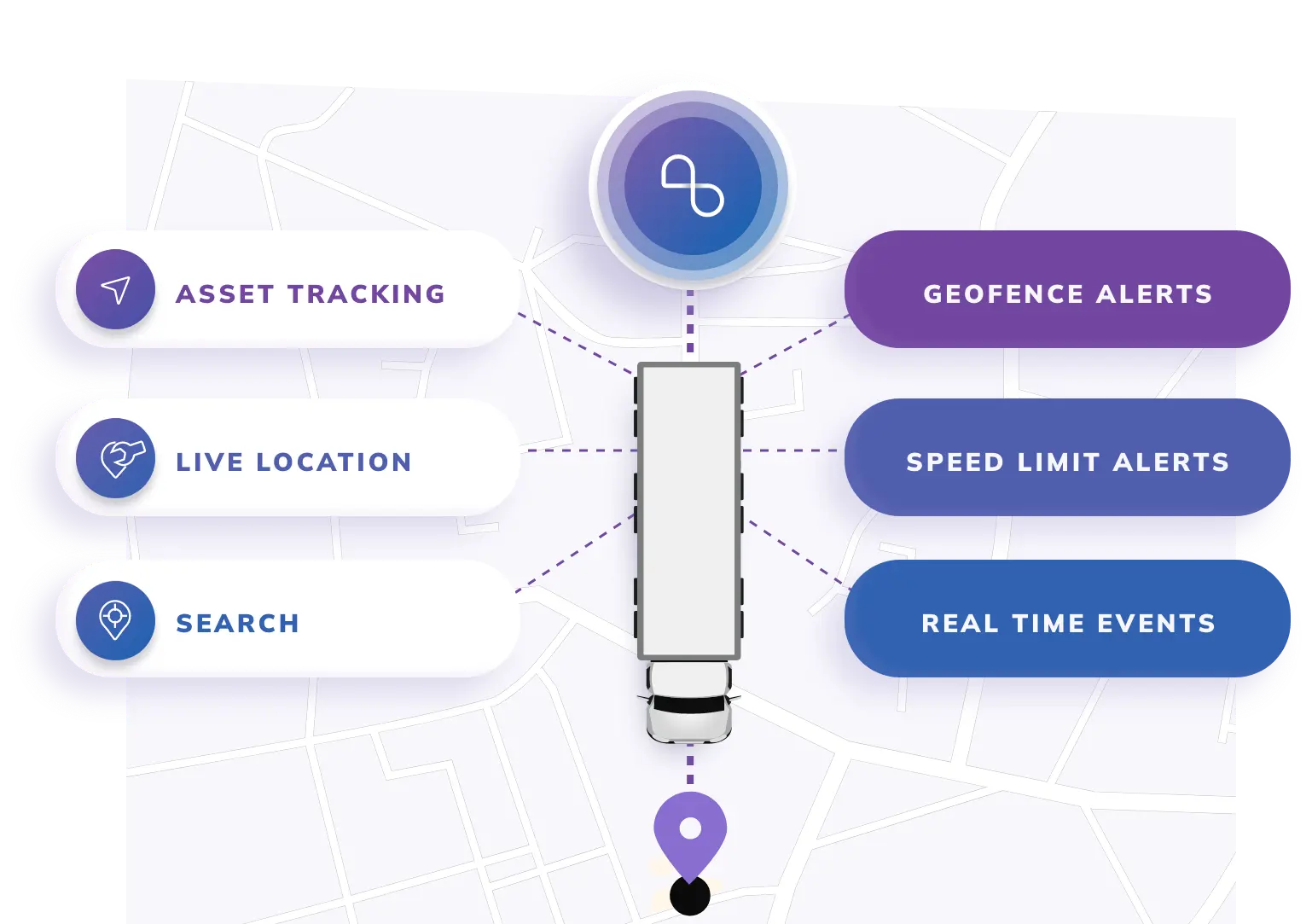
live tracking api

Here is why you should connect with a reliable partner like NextBillion.ai:

AI-Optimized Routing for Faster, More Predictable Deliveries

The routing engine of NextBillion.ai uses the past trends, current state, and road-level constraints to produce hyper-efficient routes that meet the specific requirements of individual fleets.

Live GPS Tracking and Geofencing to Gain Instant Stop Visibility

By having granular GPS updates and smart geofencing, businesses can have real-time insight into the arrival, deviations, and stop-level performance of a driver.

Automated ETA Calculations and Prediction of Delays

The platform is based on machine learning to create very precise ETAs and predict possible delays, allowing proactive communication with customers and better planning of operations.

Driver App With Integrated POD and Activity Logging

The mobile application facilitates smooth updates on tasks, use of photos and signatures to prove delivery, exception reports, and tracking of compliance to ensure full delivery transparency.

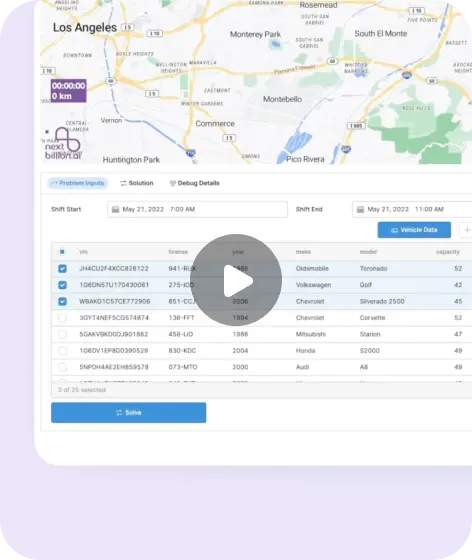
Centralized Dispatch Dashboard for End-to-End Monitoring

All the operations of the delivery are united in a single dashboard, allowing dispatchers to assign tasks, track the progress, handle exceptions, and coordinate the working processes in real time.

Data Intelligence for Continuous Performance Improvement

NextBillion.ai transforms operational data into actionable insights, helping businesses optimize fleet utilization, reduce costs, and enhance delivery KPIs over time.

The Bottom Line

Dispatch tracking is quickly transforming a basic GPS tracking system into an advanced ecosystem that runs on AI, automation, and next generation connectivity. With increased customer demands and volumes of delivery, the organizations which adopt the latest technologies in dispatch will have high reliability, lower costs, and competitive distinction. The future is of logistics teams that integrate predictive intelligence, real-time visibility, and scalable automation, and solutions such as NextBillion.ai are accelerating that transformation. Connect with us to know more.

FAQs

Dispatch tracking enhances the productivity of the fleet since it provides managers with the real-time information about the driver behavior, the condition of the vehicles, and the efficiency of routes. By having access to real-time data, teams are able to minimize idle time, remove unnecessary stops, and ensure compliance to routes, enabling the fleets to deliver more without using more resources.

Yes, the vast majority of the contemporary dispatch tracking systems are compatible with ERP, TMS, CRM, and eCommerce systems. This enables businesses to automate the order flow, coordinate customer data, and centralize operational visibility without requiring them to restructure the technology stack that they have.

The last mile is the most unforeseeable and costly delivery chain. Dispatch tracking assists companies in dealing with traffic changes, customer availability problems, and routing complications using real-time information and automated changes. This guarantees quicker deliveries, fewer failures, and customer satisfaction.

About Author

Bhavisha Bhatia

Bhavisha Bhatia is a Computer Science graduate with a passion for writing technical blogs that make complex technical concepts engaging and easy to understand. She is intrigued by the technological developments shaping the course of the world and the beautiful nature around us.

Ready to get started?

Table of Contents