


Route Optimization API
Optimize routing, task allocation and dispatch
Distance Matrix API
Calculate accurate ETAs, distances and directions
Directions API
Compute routes between two locations
Navigation API & SDK
Turn by Turn Instructions for Drivers & Technicians
Route Optimization Software
Plan optimized routes with 50+ Constraints
Product Demos
See NextBillion.ai APIs & SDKs In action
AI Route Optimization
Learns from Your Fleet’s Past Performance
Platform Overview
Learn about how Nextbillion.ai's platform is designed
Road Editor App
Private Routing Preferences For Custom Routing
On-Premise Deployments
Take Full Control of Your Maps and Routing
About Us
Our story, vision
and mission
Contact Us
Reach out to us for any product- or media-related queries
Write to us at

Table of Contents
Modern fleet operations produce enormous amounts of operational data in terms of vehicles, drivers, routes, and telematics systems daily. With the growing interconnectedness and data intensity of fleet ecosystems, organizations require platforms that extend beyond simple tracking and enable smart operational decisions. Before choosing a platform, operations and technology teams have to consider integrations, scalability, security, workflow efficiency, and long-term operational value. An inappropriate choice may cause data silos, higher costs, and restrict future development.
Read this blog to understand how to evaluate fleet management solutions. Identify critical buying criteria and learn how to avoid common red flags:
Quick Answer: Choosing a fleet management solution requires evaluating operational efficiency, integrations, scalability, security, and long-term business value beyond basic tracking features.
This guide covers key evaluation areas:
Did You Know?

Fleet management solutions are enterprise-grade software ecosystems that help coordinate, track, and optimize vehicle activities through centralized data intelligence and workflow automation. These systems combine GPS tracking, telematics devices, IoT-based sensors, cloud computing, APIs, and AI-powered analytics engines to create a unified operational framework for managing fleet-scale operations. Modern fleet management systems continuously process large volumes of vehicle, driver, fuel, diagnostic interface, and mobile endpoint telemetry data, converting raw operational signals into actionable insights.
The most common and core capabilities of fleet management software include real-time vehicle tracking, route optimization, predictive maintenance, fuel management, driver behavior analytics, electronic logging, dispatch coordination, geofencing, compliance monitoring, and performance reporting. Fleet management solutions provide end-to-end operational visibility by integrating with enterprise systems such as ERP, CRM, warehouse management, and dispatch platforms. They enable organizations to make data-driven decisions, optimize costs, and coordinate fleet operations efficiently across complex transportation environments.
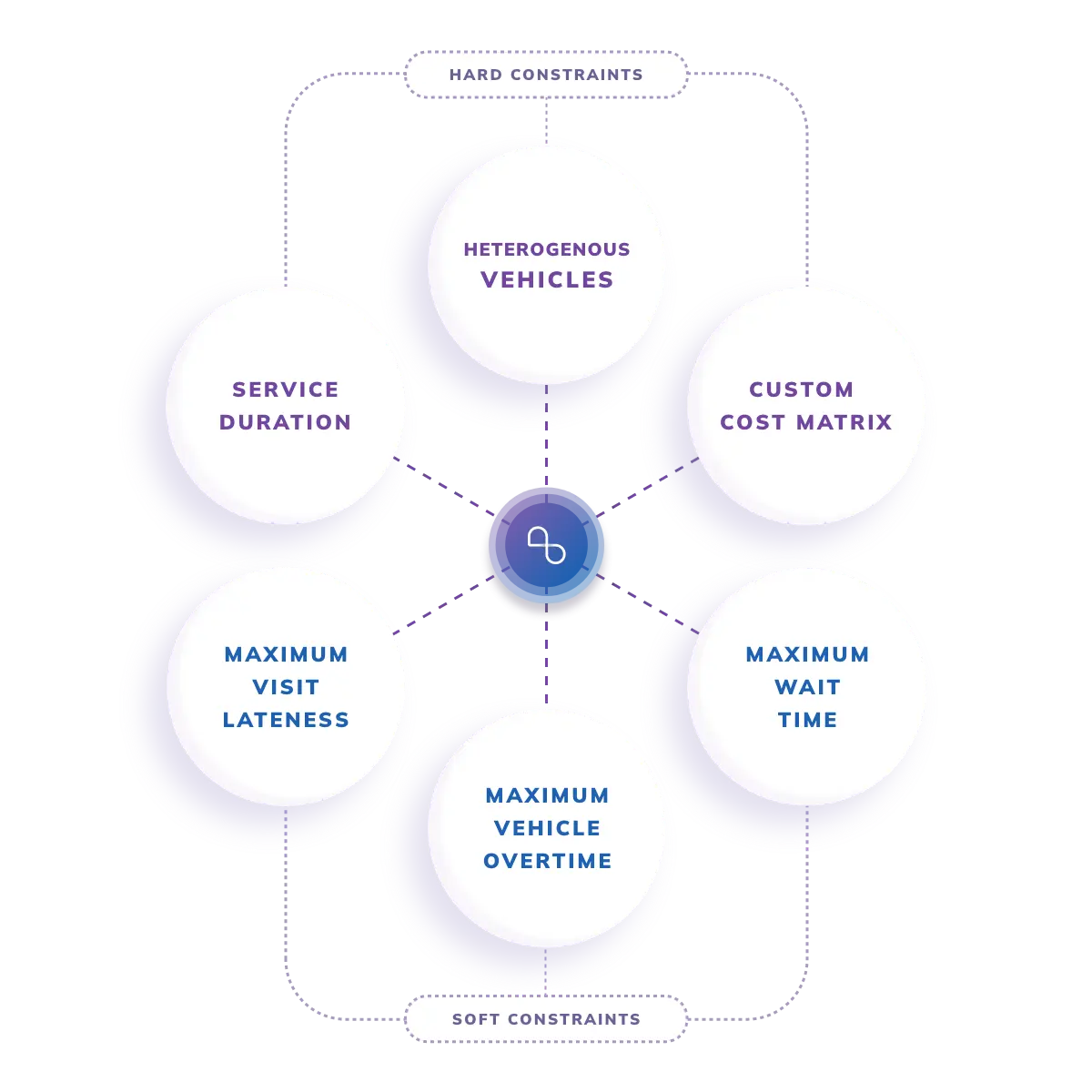
The main characteristics of the Fleet Management Solutions include:
The following are the most important evaluation criteria that operations teams should consider when evaluating fleet management solutions to identify the workflow efficiency, usability, operational visibility and the impact on the day-to-day performance.
Fleet management platforms should simplify daily operations rather than introduce additional complexity. The interface design may be poorly designed, which slows down the operation and decreases user adoption. The operations teams are thus expected to consider the usability of the dashboard, the structure of navigation, mobile responsiveness, learning curve, and accessibility of tasks based on the user roles. The system must allow dispatch teams, managers, and field personnel to access vehicle data, alerts, operational status and workflow actions in a short time without the need to undergo a lot of training or technical knowledge.
The dispatch operations involve constant coordination of vehicles, routes, drivers, and operational events. Teams must consider the effectiveness of the platform in terms of the proficiency to assign tasks, allocate vehicles, plan routes, dynamically schedule, and communicate in real-time. The automated dispatch logic, route optimization engines, live traffic intelligence, and event-driven notifications are some features that can greatly enhance operational efficiency and minimize the effort needed in manual coordination.
Maintenance of the vehicles has a direct effect on the fleet uptime, safety, and operating costs. The operations teams are expected to evaluate the capabilities of preventive maintenance scheduling, automated service reminders, diagnostic integrations, maintenance history, and predictive maintenance. Proactive maintenance processes that minimize unexpected failures and enhance the use of vehicles should be supported on platforms.
Organizations must consider more than mere assignment functions in driver monitoring. Driver scorecards, behavior analytics, electronic logging, safety event tracking, compliance monitoring and performance reporting are features that offer operational visibility of driver activities. Good driver management tools can be used to enhance safety standards, minimize operational risk, and optimize the workforce.
Operational teams need to have quick access to actionable insights without relying on technical users or analysts. Reporting tools must offer customizable dashboards, visual analytics, KPI monitoring, periodic reports, and role-based visibility. Streamlined reporting processes enhance decision making and assist groups to track operational performance effectively.
The following are the most important technical evaluation points that the technology teams need to evaluate to ascertain integration readiness, architecture flexibility, system performance and long-term scalability.
Modern vehicle fleet management systems must offer powerful API platforms that can facilitate information sharing and automation of workflows. The evaluation of technology teams should include the assessment of REST APIs, the presence of SDKs, the presence of webhooks, authentication, the quality of API documentation, and request restrictions. Powerful API functionalities make integrations easier and aid in development of custom applications.
Fleet management systems are often used in conjunction with enterprise applications. Technology departments need to ensure that they are compatible with ERP systems, CRM systems, warehouse management software, human resource software, accounting systems, dispatch software, and telematics vendors. The integration capabilities ensure that there is seamless integration between fragmented workflows and enhance centralized data management.
Scalability, performance, and system availability are dependent on platform infrastructure. Teams need to determine the solution based on the cloud-native architecture, distributed systems, multi-tenant environments, high-availability configurations, and workload balancing capabilities. Flexibility in infrastructure facilitates the expansion of operations in the long-term and minimizes bottlenecks in performance.
Operational and vehicle telemetry data should be accessible across reporting systems, analytics tools, and enterprise environments. Teams should evaluate data export functionality, event streaming support, synchronization capabilities, storage architecture, and real-time access options. Easily accessible data improves visibility and supports advanced analytics initiatives.
Workflow configurations are often needed by organizations, depending on their operational environments. Some of the aspects that should be considered by technology teams include configurable dashboards, business rules, reporting templates, role permissions, workflow logic, and integration flexibility. Solid customization support allows platforms to meet the evolving business needs.
Fleet management solutions often become mission-critical operational systems. Teams should test uptime assurances, failover, and recovery plans in the event of a disaster, system monitoring, and performance stability when workloads are increased. Reliable systems minimize the disruption of business and ensure business continuity.
The following are the ways you can analyze fleet management solutions to determine the ability to operate, technical compatibility, scalability, integration preparedness, and business long-term value:
The first step in the evaluation process should be to determine the particular operational and technical problems that the organization is aiming to address. The fleet size, types of vehicles, types of assets, dispatch processes, geographical area of operation, compliance, reporting, and future growth strategies should be determined by teams. Other KPIs that organizations should establish include vehicle utilization rates, average idle time, fuel efficiency, route completion rates, maintenance turnaround times, and delivery performance metrics.
Teams in operations must focus on scheduling efficiency and workflow visibility, and technology teams consider architectural compatibility, data accessibility, and infrastructure needs. Early development of a requirement matrix may assist in avoiding feature-based buying choices and matching technology investments and operational goals
Organizations should assess whether the platform delivers enterprise-grade fleet functionality beyond basic GPS visibility. Buyers should evaluate telematics capabilities, route optimization engines, predictive maintenance algorithms, fuel analytics systems, geofencing controls, driver behavior monitoring, and dispatch orchestration workflows.
Technical teams should determine whether these capabilities rely on native modules or external integrations. Evaluation should also include telemetry processing capabilities, event-driven alerting systems, configurable business rules, and support for high-frequency vehicle data ingestion. The platform should further demonstrate the ability to process large-scale operational data streams without performance degradation.
Fleet management solutions are operational data centers and thus must be integrated well into the enterprise ecosystems. Technology teams must evaluate the availability of REST API, webhook support, compatibility with middleware, SDK access, data export support, and real-time synchronization workflow support.
The ERP systems, CRM systems, warehouse management systems, accounting systems, dispatch systems, HR systems, fuel card services, and telematics services should be included in integration assessments. Other aspects that should be assessed by organizations include API rate limits, authentication, event streaming, and architecture flexibility to minimize bottlenecks in integration and to eliminate fragmented data environments.
Technology teams should review the platform architecture in order to understand whether it can sustain growth and increasing operational complexity. Multi-tenant cloud infrastructure, distributed processing capabilities, database scalability, high-availability configurations, and workload balancing mechanisms are factors that should be reviewed.
Companies must also determine the capacity of the system to accommodate more vehicles, larger volumes of telemetry, more users, multi-location operations, and future business processes without significant reconfiguration. Scalable infrastructure minimizes technical debt and the risks associated with long-term migrations.
The fleet platforms are constantly gathering and processing operational, location and driver-related data, and security assessment is a crucial process. The buyers need to check the encryption standards of data at rest and in transit, role-based access controls, identity management systems, audit logging capabilities, and data retention policies.
Companies that are in regulated industries must ensure that they have compliance reporting and data governance support requirements in the region. Infrastructure certifications, vulnerability management practices and access monitoring frameworks should also be evaluated during security reviews.
Organizations are advised to implement controlled pilot implementations before rolling out to the entire enterprise, including the use of a few vehicles, operational teams, and actual workflows. Pilot testing must test the responsiveness of the system, the accuracy of telemetry, the dashboard latency, the performance of the mobile application, the accuracy of the reporting and the reliability of the integration in real operating conditions.
The performance data should be gathered by teams in terms of route efficiency improvements, metrics associated with fuel reduction, optimization of maintenance, dispatch effectiveness, and driver productivity. Formatted pilot testing offers quantitative checks and reduces implementation risks prior to full scale.
The decision to adopt a fleet management solution involves more than just reviewing product brochures and feature lists. The questions posed by operations and technology teams should be detailed and uncover technical capabilities, implementation complexity, scalability, support quality, and long-term operational value. The right questions will help buyers differentiate between simple tracking applications and enterprise-level platforms.
These questions inquire about a product or a feature of the product.
Are you familiar with the technical and integration aspects of the product?
Are there infrastructure and scaling questions?
Are your data centers secure? Do you have a data protection policy?
Questions about the implementation and support of the recommendations are presented below.
Here are the top 5 fleet management tools you can consider based on capabilities such as route optimization, telematics, integrations, scalability, and operational intelligence:
1. NextBillion.ai
AI-powered fleet and route optimization platform focused on mapping APIs, dispatch workflows, route planning, and large-scale logistics intelligence.
2. Samsara
Provides GPS tracking, telematics, driver safety monitoring, AI dashcams, and real-time fleet visibility tools.
3. Geotab
Cloud-based fleet platform known for advanced telematics, predictive analytics, compliance management, and vehicle diagnostics.
4. Motive
Offers fleet tracking, ELD compliance, driver safety solutions, AI-powered monitoring, and fuel management capabilities.
5. Verizon Connect
Enterprise fleet software focused on GPS tracking, route optimization, workforce management, and asset monitoring.
Organizations must determine red flags that can lead to operational inefficiencies, higher costs in the long-term or technical constraints before investing in a fleet management solution. These risks must not be overlooked at the evaluation phase as they may result in poor adoption, challenging integrations, scaling problems, and expensive platform migrations in the future.
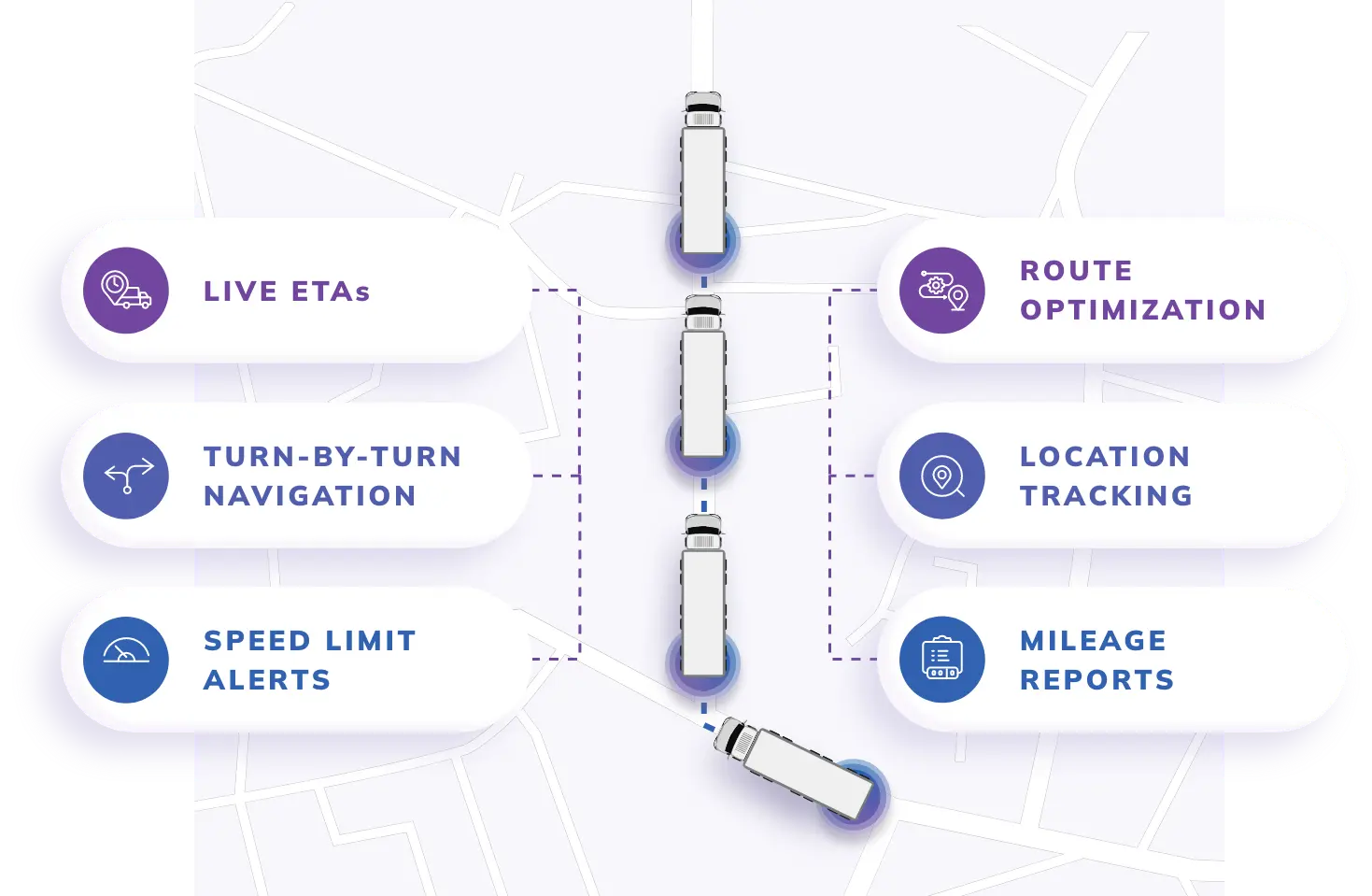
We understand that nowadays, fleet operation needs more than simple vehicle tracking options. Our platform is built to handle large-scale logistics settings with sophisticated route optimization, mapping intelligence, dispatch processes, telematics connections, and real-time operational visibility. We assist organizations in dealing with the increasing complexity in their operations without compromising performance or scalability.
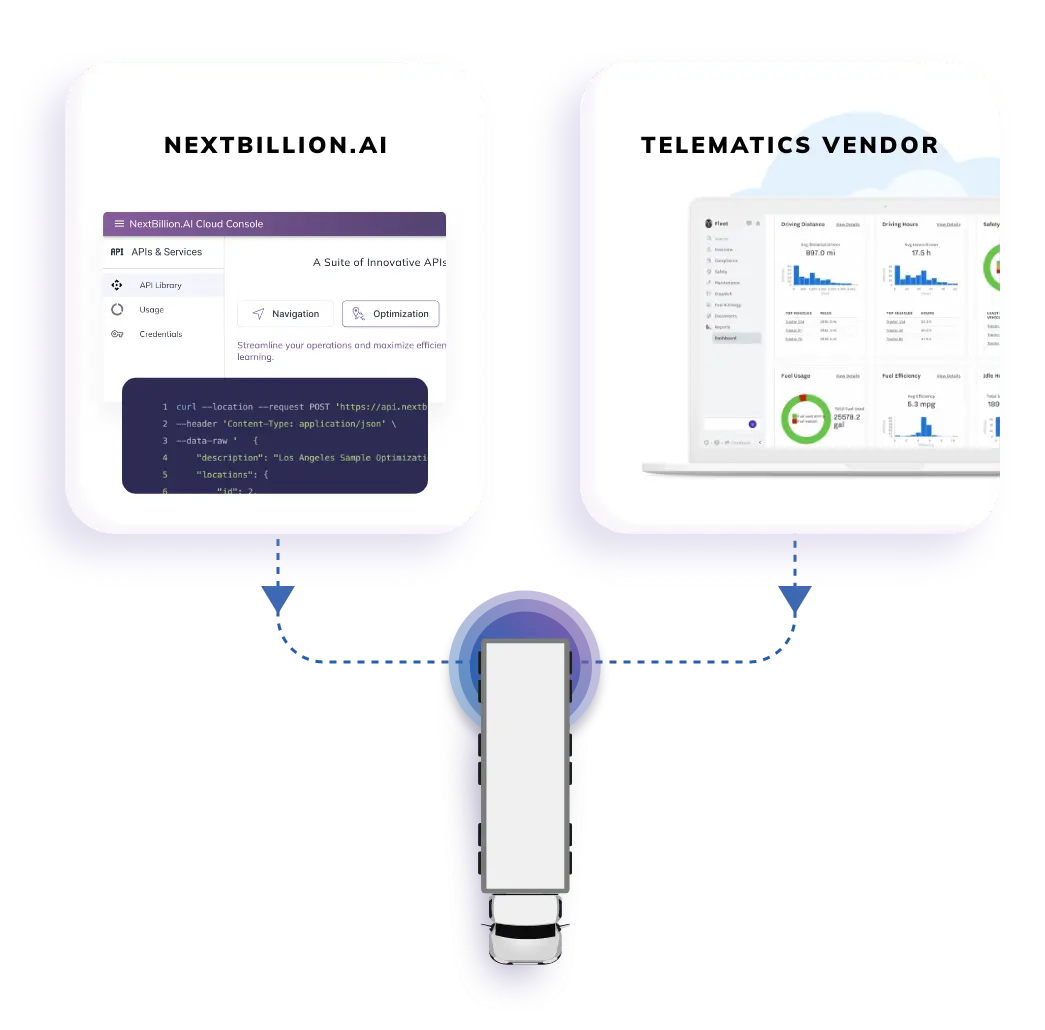
We create our platform with flexibility as its core. Our APIs, SDKs and cloud-native infrastructure enable organizations to connect fleet workflows with ERP systems, CRM systems, warehouse management software, telematics vendors and existing operational systems. We help businesses to scale vehicle operations, handle large telemetry data, and assist workflows to evolve without significant infrastructure constraints.
We assist organizations to transform disjointed signals of their operations into business insights. Our platform takes route information, driver activity, fleet telemetry, location intelligence and operational events to enable smarter decision-making. These elements bring the visibility required to enhance efficiency, lower operational expenses, optimize routes, and overall fleet performance in large-scale transportation settings.
The choice of a fleet management solution is not a mere technology acquisition choice. Teams in operations and technology are expected to assess business needs, the fundamental platform capabilities, system architecture, flexibility in integration, scalability, security controls and long-term operational value. An organized evaluation process involving requirement analysis, vendor evaluation, pilot testing and risk identification assists organizations to make informed decisions.
Other warning signs that teams should be attentive to include weak integrations, a lack of clarity in pricing models, and risks of vendor lock-in. With the emphasis on operational efficiency and technical preparedness, organizations can choose a fleet management solution that helps them to optimize performance, expand their business, and provide long-term fleet operations.
Optimize routes, improve fleet visibility, and power smarter logistics operations with NextBillion.ai fleet management solutions.
Operations teams must concentrate on workflow efficiency, route optimization, maintenance visibility, and dispatch coordination, whereas technology teams need to consider APIs, system integrations, cloud architecture, scalability, security controls, and data accessibility. Both teams should ensure that the platform’s capabilities align with long-term business goals.
Fleet management platforms usually act as centralized operational systems, which integrate with the ERP platforms, CRM software, warehouse systems, accounting tools, dispatch applications, and telematics providers. Powerful integration features minimize data silos, automate workflows and enhance operational visibility.
Organizations strictly need to evaluate multi-tenant cloud infrastructure, database scalability, workload balancing, telemetry processing capacity and the ability to support increasing volumes of vehicles, users, and multi-location operations. The platform must be scalable and not need a major redesign of the system to support expansion.
Some of the typical warning signs are poor integration support, poor reporting, unavailability on mobile platforms, ambiguous pricing schemes, inadequate customer service and vendor lock-in. Such problems may cause operational and technical problems in the long-term.
Pilot testing enables companies to test the accuracy of telemetry, reliability of reporting, mobile performance, responsiveness of dashboards, and workflow efficiency in actual operational settings. It also assists teams to gauge the business impact and mitigate the risk of implementation, prior to enterprise-wide implementation.
Bhavisha Bhatia is a Computer Science graduate with a passion for writing technical blogs that make complex technical concepts engaging and easy to understand. She is intrigued by the technological developments shaping the course of the world and the beautiful nature around us.