

Fleet Management Platform vs. Fleet Management Software

Fleet Management Platform vs. Fleet Management Software: What’s the Difference and Which Do You Need?

Published: June 23, 2026

According to Fortune Business Insights, the vehicle telematics market size is projected to grow from $101.68 billion in 2026 to $198.69 billion by 2034, driven by the increasing adoption of AI analytics, GPS tracking, and connected vehicle technologies. With fleet operations becoming increasingly data-driven and operationally complex, many businesses struggle to understand the difference between fleet management software and fleet management platforms. Although both improve vehicle operations and fleet visibility, they differ significantly in scalability, integrations, automation capabilities, and enterprise-level functionality.

Read this blog to understand the major differences between fleet management platforms and fleet management software, and discover which solution is best suited for your operational requirements.

Quick Answer: Fleet management software helps businesses manage daily fleet operations such as GPS tracking, maintenance scheduling, fuel monitoring, route optimization, and driver management. Fleet management platforms provide broader enterprise capabilities including AI analytics, workflow automation, IoT connectivity, predictive maintenance, APIs, and centralized operational intelligence. Small and medium fleets often need fleet management software, while enterprise transportation networks typically require a scalable fleet management platform.

  • Fleet management software focuses on daily fleet operations.

  • Fleet management platforms support enterprise-scale transportation ecosystems.

  • The right solution depends on fleet size and operational complexity.

What Is Fleet Management Software?

Fleet management software is a digital application that helps businesses manage daily fleet operations through centralized visibility and operational automation. It typically includes GPS tracking, telematics, scheduled maintenance, fuel management, driver behavior monitoring, route optimization, compliance management, and reporting dashboards. These systems use real-time vehicle data from connected devices, sensors, and onboard diagnostics to improve operational efficiency, reduce downtime, lower fuel costs, and enhance fleet safety across transportation and logistics operations.

fleet management platform

What Is a Fleet Management Platform?

A fleet management platform is a more general enterprise-level platform that integrates various fleet technologies, analytics systems, automation workflows, telematics infrastructure, APIs, and business applications into a single platform. A fleet management platform is used to facilitate large-scale fleet operations with AI analytics, predictive maintenance, ERP integrations, compliance automation, IoT connections, and real-time operational intelligence, unlike standalone fleet management software, which is limited to particular tasks. These platforms are commonly used in enterprise logistics, smart mobility systems, and complex transportation networks.

fleet management

Core Features of Fleet Management Software

The following are the main attributes typical of the latest fleet management software systems.

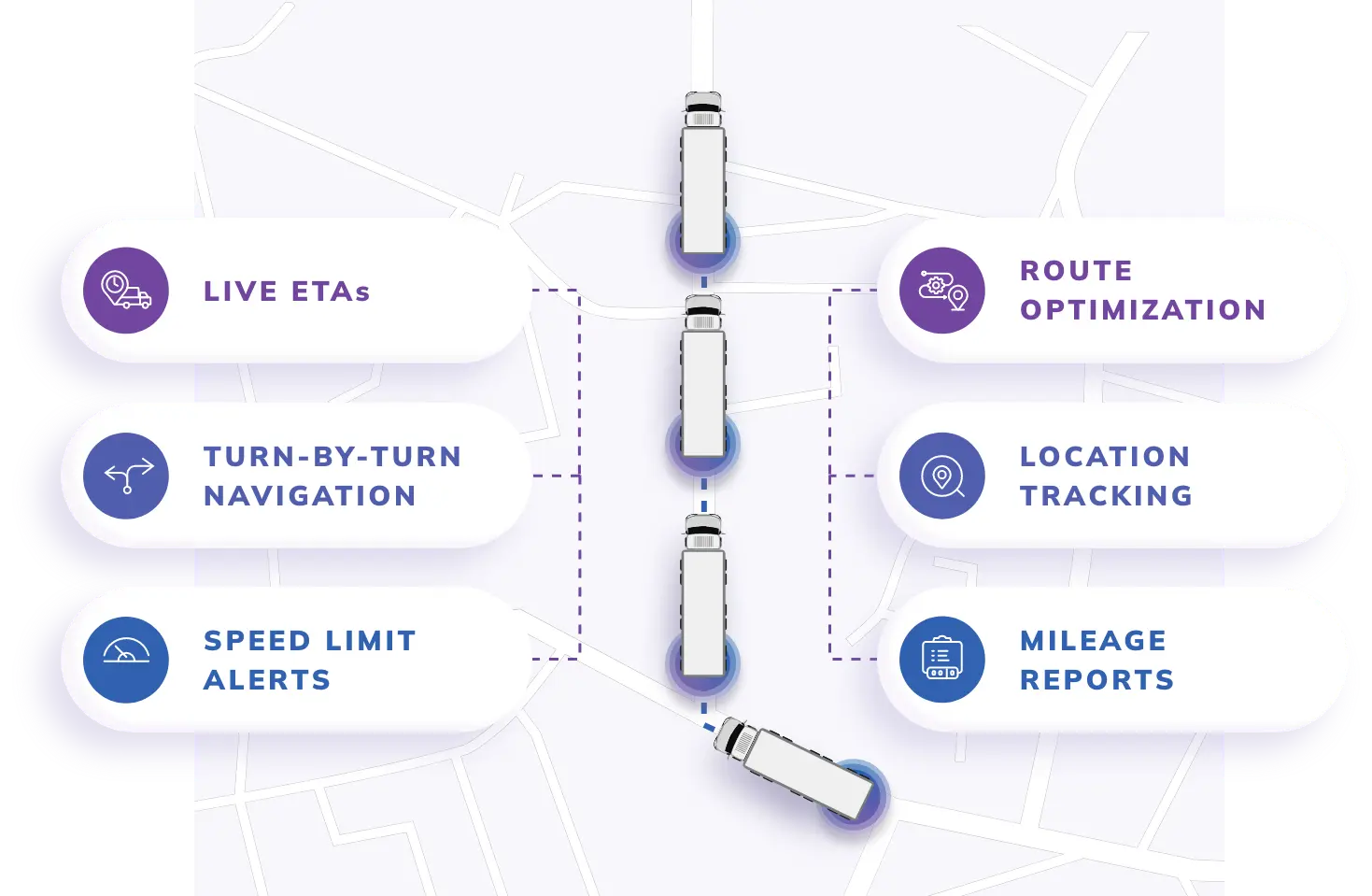
  • GPS Vehicle Tracking: It is a vehicle tracking system that tracks the real-time positions, routes, history of trips, and movement patterns of vehicles in real time using GPS and telematics systems.

  • Fleet Maintenance Management: Automates service schedules, inspection notices, repair tracking, and preventive maintenance processes.

  • Fuel Consumption Monitoring: Monitors fuel consumption, idle time, risk of fuel theft, and general fuel efficiency of fleet operations.

  • Driver Behavior Analytics: Tracks speeding, aggressive braking, acceleration, seatbelt usage, and unsafe driving habits.

  • Route Optimization: Enhances the delivery routes, minimizes the time taken on routes, saves fuel, and maximizes the efficiency of operations.

  • Compliance Management: Includes ELD compliance, DVIR reporting, driver logs, licensing, and transportation safety.

  • Vehicle Diagnostics Monitoring: Gathers engine diagnostics, fault codes, battery health, and vehicle performance information via onboard systems.

  • Fleet Reporting Dashboards: Offers operational analytics, utilization reports, maintenance insights, and performance tracking dashboards.

  • Mobile Fleet Access: Empowers drivers, dispatchers, and managers to have access to fleet operations via mobile apps and cloud-based solutions.

  • Alerts and Notifications: Dispatches automatic alerts about maintenance due dates, unauthorized vehicle use, route deviation, and safety infractions.

Core Features of Fleet Management Platforms

Here are the core features commonly found in enterprise fleet management platforms.

  • Centralized Fleet Operations: Integrates vehicle tracking, maintenance, compliance, dispatching, driver management and analytics into a single operational ecosystem.

  • Enterprise System Integrations: Links ERP systems, CRM systems, warehouse management systems, payroll systems and third party logistics infrastructure.

  • AI-Powered Fleet Analytics: Predictive maintenance, driver risk analysis, fuel optimization, and operational forecasting are all based on artificial intelligence and machine learning.

  • IoT and Telematics Integration: Unites connected vehicle sensors, dashcams, onboard diagnostics, IoT devices and telematics hardware to provide real-time fleet intelligence.

  • Workflow Automation: Automates dispatching, approvals, reporting, maintenance scheduling, compliance workflows and operational alerts.

  • Real-Time Operational Dashboards: Offers real-time visibility of fleet operations, vehicle usage, delivery processes, and driver actions across destinations.

  • API and Cloud Infrastructure: Enables API connectivity, scaling, and scaling of clouds, third-party integrations, and bespoke enterprise workflows.

  • Advanced Compliance Management: Handles regulatory reporting, ELD compliance, fleet inspections, safety monitoring, and audit-ready documentation.

  • Multi-Fleet and Multi-Location Management: Multi-fleet and multi-location management helps to provide centralized control over geographically dispersed fleets, regional operations, and enterprise transportation networks.

  • Predictive Maintenance Systems: Predicts any possible failures and breaks down in vehicles through telematics and sensor data.

Key Technologies Used in Modern Fleet Management Software

Fleet management software is a type of software that incorporates various operational technologies to assist businesses in managing their day-to-day transportation operations in a more efficient manner. These technologies are primarily concerned with vehicle tracking, maintenance, fuel efficiency, driver tracking, and route efficiency in centralized computer programs.

The following are some of the major technologies that are widely employed in the current fleet management software.

Vehicle Diagnostics Systems

Fleet management software relies on onboard diagnostics systems to track engine performance, fault codes, battery health, transmission conditions, and vehicle status in general. The systems assist fleet operators in detecting mechanical problems in time and enhance the accuracy of maintenance scheduling.

Fuel Monitoring Technologies

Fuel monitoring systems monitor the fuel consumption, fuel efficiency, idle time, refill fuel activity, and potential fuel theft. These technologies help businesses cut down on their operations costs, enhance their fuel management strategies, and better track their fleet efficiency.

Route Optimization Engines
route optimization api

Route optimization technologies examine the traffic situation, delivery time, road restrictions, and travel patterns and create more efficient driving routes. This assists in saving fuel, increasing the speed of delivery, reducing the time spent on traveling, and enhancing efficiency in customer service.

Driver Monitoring Systems

Driver monitoring technologies monitor speeding, hard braking, rapid acceleration, seatbelt use, distracted driving behavior, and unsafe driving behavior. The systems are beneficial in enhancing driver safety, minimizing the chances of accidents, and aiding in adherence to transportation safety standards.

Mobile Fleet Applications

Mobile fleet apps enable drivers, dispatchers, technicians, and fleet managers to access operational data via smartphones and cloud-based solutions. The applications aid communication, online inspections, maintenance reporting, route management, and real-time operation updates at remote locations.

Key Technologies Used in Modern Fleet Platforms

Modern fleet platforms are based on various innovative technologies to coordinate large-scale transportation processes, enhance operational visibility, automate processes, and increase fleet efficiency. Through these technologies, businesses can track vehicles in real-time, lower the cost of operations, enhance safety, and aid data-driven decision-making within connected ecosystems of fleets.

Some of the most significant technologies applied in the modern fleet management platforms are listed below.
GPS and Telematics Systems
GPS

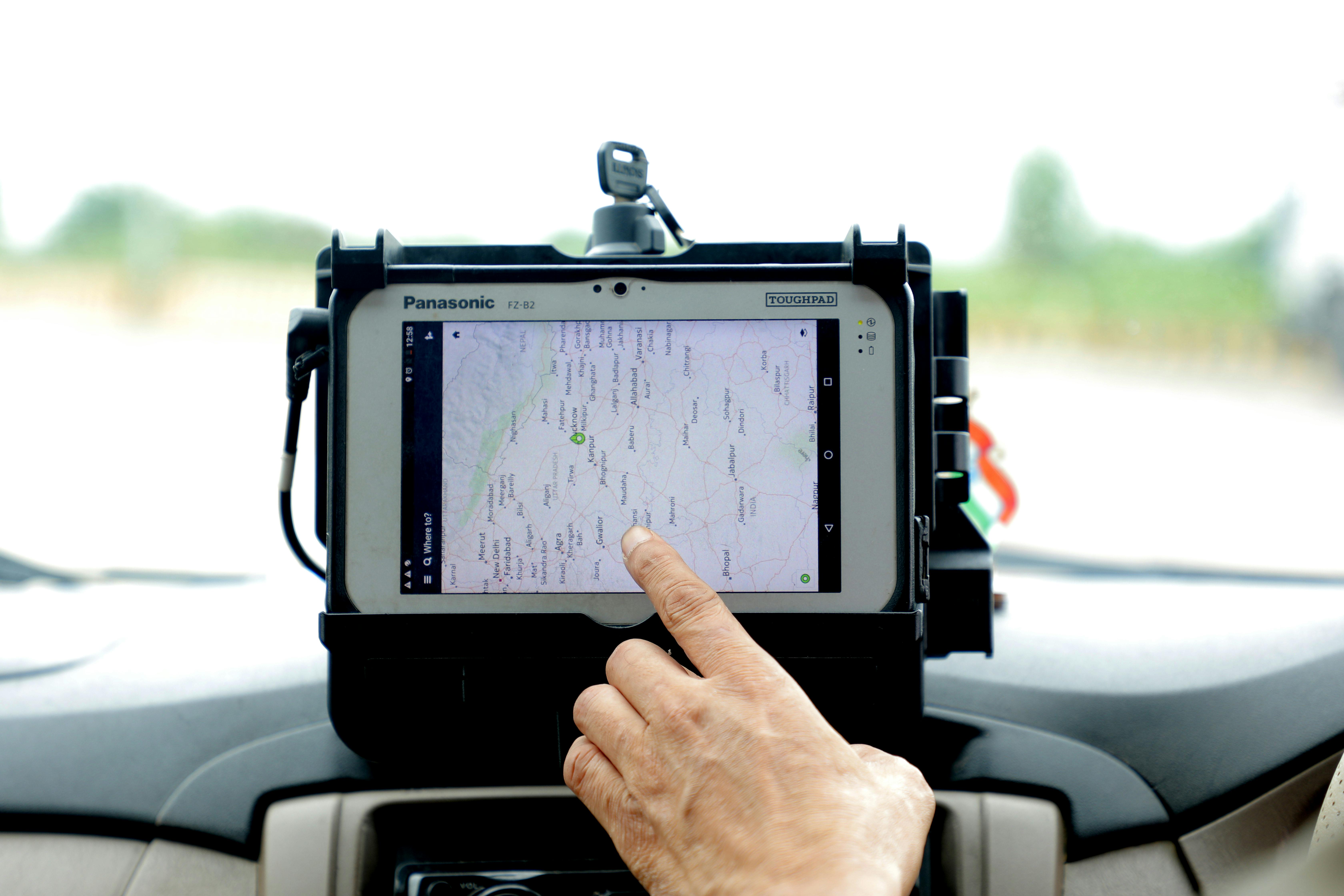
Modern fleet platforms rely on GPS and telematics to track the positions of vehicles, follow routes, gather trip history, and analyze real-time operational information. These systems assist companies in enhancing their dispatching efficiency, minimizing unauthorized vehicle use, tracking idle time, and enhancing the overall fleet performance within transportation networks.

Internet of Things (IoT) Sensors

IoT sensors gather real-time data on vehicles and equipment in the fleet. These sensors are able to track engine temperature, tire pressure, fuel, cargo, battery status, and equipment performance in real-time. This data is used by fleet operators in order to enhance preventive maintenance, minimize the risk of breakdowns, and make operations safer.

Artificial Intelligence and Machine Learning
artificial intelligence

Fleet platforms use AI and machine learning to process large amounts of data about their operations to make predictive decisions. Such systems can detect risky driving patterns, anticipate vehicle service needs, optimal delivery routes, fuel inefficiencies, and operational forecasts that enhance fleet productivity and cost.

Cloud Computing Infrastructure

Cloud-based infrastructure allows centralized fleet operations by using scaled and remotely available systems. Live dashboards, reports, analytics and vehicle data can be accessed by fleet managers, dispatchers and administrators at various locations without needing on-premise infrastructure. Cloud systems are also favorable in terms of easier software updates, integration and enterprise scalability.

Predictive Maintenance Systems

Predictive maintenance technologies are based on telematics information, AI analytics, onboard diagnostics, and IoT sensors that help identify possible mechanical breakdowns in vehicles before they stop functioning. These systems are beneficial in reducing downtimes, reducing repair expenses, enhancing life of the vehicles and enhancing the reliability of the entire fleet by proactive maintenance planning.

Advantages of Fleet Management Software

Below are some highly specific advantages of fleet management software.

Faster Detection of Vehicle Performance Issues

Onboard diagnostics systems and telematics hardware enable fleet management software to constantly gather vehicle diagnostics data. The operators of the fleet can track the engine temperature, battery health, transmission, tire pressure warnings, and fault codes. This assists maintenance staff in spotting mechanical problems before they turn into significant failures, minimizing unforeseen breakdowns, decreasing emergency repair expenses, and enhancing vehicle uptime throughout transportation activities.

Improved Fuel Efficiency Across Fleet Operations

Modern fleet software examines the fuel consumption trends, idle time, inefficiencies in the routes, rough acceleration, over-speeding, and illegal use of vehicles. Operational data can help fleet managers to recognize vehicles or drivers that are causing increased fuel costs and take remedial measures. This not only enhances fuel economy but also minimizes the unnecessary wastage of fuel, and assists businesses in managing transportation operating expenses better.

Better Route Planning and Delivery Coordination

Route optimization systems consider the road restrictions, weather delays, traffic and the availability of vehicles to create more efficient routes. The dispatchers can save on travel distance, cut down on delivery delays, enhance the estimated arrival times, and maximize the number of completed deliveries per vehicle. This enhances the coordination of logistics and performance of customer service in transportation operations.

Enhanced Driver Accountability and Safety Monitoring

Telematics systems and driver monitoring technologies help to track unsafe driving behaviors that include harsh braking, rapid acceleration, speeding, distracted driving behavior, route deviations, and excessive idle time on the road with the help of fleet management software. Dancer scorecards, safety reports, and behavioral analytics can help businesses enhance driver responsibility, minimize the risks of accidents, increase compliance with transportation safety, and promote driver training initiatives.

Real-Time Fleet Visibility for Faster Operational Decisions

Live operational dashboards can be accessed by fleet managers and dispatchers to view the location of vehicles, the progress of routes, delivery status, maintenance schedules, fuel activity, driver behavior, and trip history in real time. This enhances responsiveness in operations in case of delays, emergencies, change of routes, vehicle breakdowns or delivery delays. Businesses can make decisions more quickly and have a better control of operations in the transportation workflow.

Advantages of Fleet Management Platforms

Enlisted below are some highly specific advantages of fleet management platforms.

Unified Visibility Across Enterprise Transportation Networks

Fleet management platforms integrate all operational data of vehicle tracking systems, telematics devices, maintenance infrastructure, compliance systems, dispatch operations, fuel monitoring networks and warehouse logistics into a single ecosystem. Transportation firms with operations in various regions or distribution centers can track the performance of their fleets, operational bottlenecks, delivery processes and driver actions using centralized enterprise dashboards without the use of fragmented software systems.

Large-Scale Workflow Automation Across Fleet Operations

Enterprise fleet solutions automate business practices, including dispatching, assigning vehicles, approving maintenance, reporting compliance, tracking inspections, notifying drivers, safety warnings, and fuel management processes. This enhances the elimination of manual coordination among departments, operational delays, and enhances uniformity in transportation processes and administrative efficiency in large-scale logistics settings.

Predictive Analytics for Operational Risk Reduction

Artificial intelligence, machine learning, telematics analytics, and operational forecasting models are used by fleet platforms to recognize the possible operational risks prior to their impact on transportation performance. These systems can anticipate the failure of vehicle components, detect inefficient routes, abnormal patterns of fuel consumption, high-risk driver behavior, and predict the maintenance needs based on real-time data of operations. This assists companies to minimize downtimes, eliminate business interruptions and streamline long-term fleet planning.

Seamless Integration With Enterprise Business Infrastructure

Modern fleet management platforms facilitate API-based integrations with ERP software, CRM software, warehouse management software, payroll software, fuel card software, transportation management software, and third-party logistics software. This allows businesses to align transportation operations with finance, supply chain management, customer operations, compliance workflows and enterprise reporting systems via a single interconnected digital infrastructure.

Scalable Infrastructure for Multi-Location Fleet Management

Fleet management systems are designed to accommodate enterprise transportation environments consisting of thousands of vehicles, multiple dispatch centers, logistics hubs geographically distributed, and cross-border transportation activities. Businesses are able to scale fleet operations, bring on board new vehicles, integrate new systems in operations, and coordinate regional transportation activities without developing fragmented operational workflows and disconnected data silos.

Limitations of Fleet Management Software

Here are some common limitations of fleet management software.

  • Limited Enterprise Scalability: Fleet management software may struggle to support highly complex operations involving multiple locations, large vehicle volumes, and enterprise logistics networks.

  • Restricted Integration Capabilities: Many fleet software solutions offer limited integration support with ERP systems, warehouse platforms, payroll infrastructure, and enterprise business applications.

  • Basic Analytics and Automation: Standalone fleet software often provides limited predictive analytics, AI capabilities, and advanced workflow automation compared to enterprise fleet platforms.

Limitations of Fleet Management Platforms

Below are some common limitations of fleet management platforms.

  • Higher Implementation Costs: Fleet management platforms usually require higher investment due to enterprise infrastructure, integrations, customization, and deployment complexity.

  • Complex System Deployment: Setting up enterprise fleet platforms may involve API integrations, operational restructuring, data migration, and technical onboarding processes.

  • Steeper Learning Curve: Large-scale fleet platforms often require staff training and technical expertise because of their advanced operational features and enterprise workflows.

Fleet Management Platform vs Fleet Management Software: Key Differences

Fleet management software and fleet management platforms are both useful in assisting businesses to enhance transportation operations; however, they are quite different in terms of the scope of operations, scalability, integrations, automation, and enterprise functionality. The goal of fleet management software is primarily to achieve operational control on a daily basis, whereas fleet management platforms facilitate large-scale connected transportation ecosystems with advanced analytics and centralized infrastructure.

Feature

Fleet Management Software

Fleet Management Platform

Purpose

Fleet operations management

Enterprise fleet ecosystem management

Tracking

GPS tracking

Advanced telematics intelligence

Maintenance

Scheduled servicing

Predictive maintenance analytics

Analytics

Basic reporting

AI-powered operational analytics

Automation

Limited automation

Enterprise workflow automation

Integrations

Minimal integrations

ERP, CRM, API integrations

Scalability

Small to medium fleets

Large multi-location fleets

IoT Support

Limited

Extensive IoT connectivity

Compliance

Basic compliance tools

Advanced compliance automation

Infrastructure

Standalone software

Cloud-native platform

Visibility

Fleet-level visibility

Enterprise-wide visibility

Best For

Local fleet operations

Enterprise logistics networks

Deployment

Faster setup

Complex enterprise deployment

Cost

Lower investment

Higher enterprise investment

Which One Should You Choose?

  • Choose fleet management software if your business needs operational tools like GPS tracking, maintenance scheduling, fuel monitoring, and driver management for small or medium fleet operations.

  • Choose a fleet management platform if your business requires enterprise-scale automation, AI analytics, predictive maintenance, IoT connectivity, and centralized control across large transportation networks.

NextBillion.ai: Powering Intelligent Fleet Operations Through Advanced Geospatial Technology

Custom Fleet Optimization Infrastructure


NextBillion.ai assists companies to create very specific fleet management and routing infrastructure through the use of advanced geospatial intelligence, APIs, real-time mapping systems, and operational analytics. Our platform is well-organized to handle the contemporary transportation landscapes that include delivery fleets, enterprise logistics, mobility platforms, supply chain transportation, and connected vehicle ecosystems. Businesses can develop customized flexible fleet workflows that align with their business needs, operational constraints, regional factors, and dispatching models instead of depending on inflexible mapping solutions.
Advanced Routing and Dispatch Intelligence
soft constraints

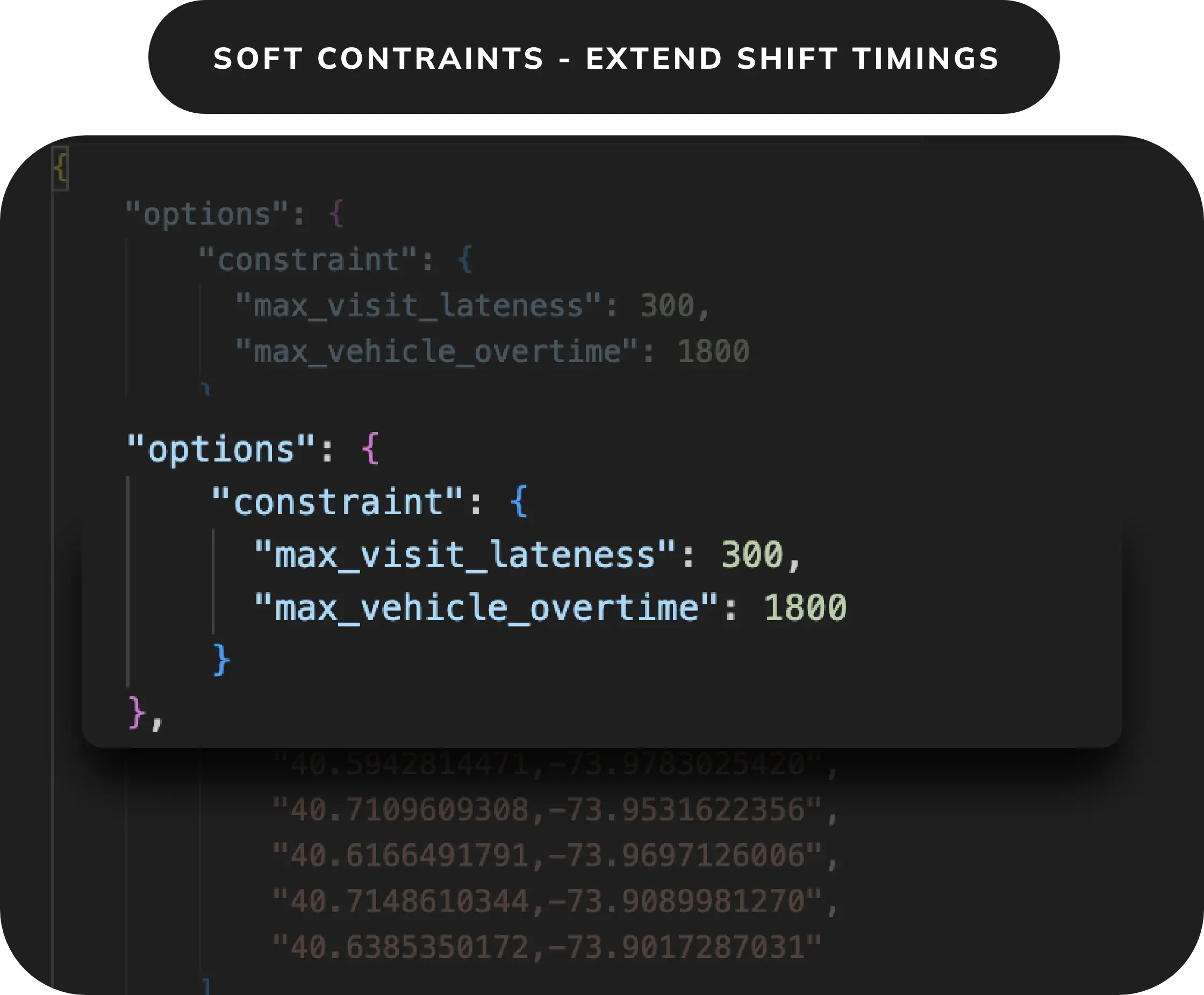
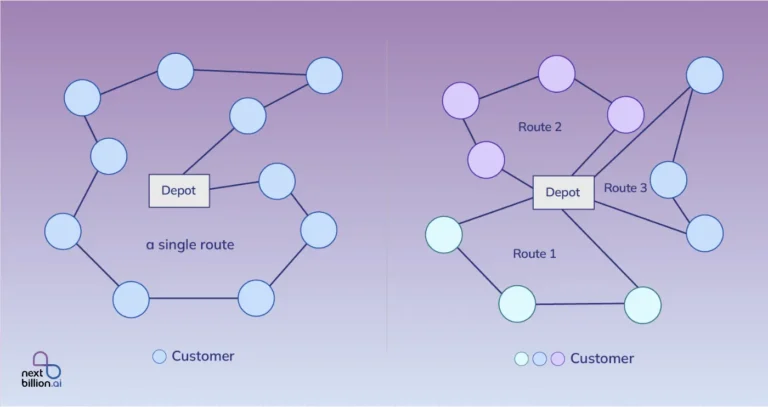
The contemporary transportation processes demand a lot more than mere navigation systems. NextBillion.ai offers high-quality routing and dispatch solutions that enable multi-stop route optimization, rerouting, ETA, territory management, vehicle assignment, and multi-vehicle delivery coordination on a large scale. Such systems handle real-time traffic intelligence, road restrictions, travel patterns, and operational variables to come up with highly optimized fleet movement plans. This assists businesses to save on fuel, minimize delivery delays, enhance route efficiency and overall transportation productivity.

Enterprise Scalability for Large Transportation Networks

Large fleet operations are usually characterized by thousands of vehicles, multiple dispatch centers, decentralized logistics centers, and intricate transportation networks. NextBillion.ai offers a cloud-native infrastructure that can handle fleet operations on an enterprise scale without introducing bottlenecks in operations or fragmented workflows. Our platform is capable of integrating with telematics systems, warehouse management platforms, ERP infrastructure, driver applications, and enterprise logistics systems to establish centralized visibility of operations in large transportation ecosystems.

Real-Time Geospatial Analytics and Operational Visibility

Live operational intelligence has emerged as a vital element of contemporary fleet management. NextBillion.ai is a geospatial analytics, live location intelligence, mapping technologies, and operational data processing that assists businesses in tracking fleet movement, identifying traffic jams, increasing the accuracy of delivery, making decisions related to dispatching, and improving efficiency in the process of planning routes. These features enable transportation companies to make quicker operational choices based on real-time fleet intelligence rather than the use of stagnant reporting systems.

Conclusion

Businesses are demanding much more than the old type of vehicle tracking systems as transportation operations continue to become more connected, data-driven and operationally complex. Scalable routing infrastructure, real-time analytics, geospatial intelligence, predictive operational visibility, and flexible API ecosystems are modern fleet environments that can be used to manage transportation at scale efficiently. It is here that smart fleet optimization platforms become essential to enhance operational performance, minimize inefficiencies, and underpin large-scale transportation ecosystems.

Looking to build scalable, intelligent, and API-driven fleet operations? Explore how NextBillion.ai assists businesses to optimize routing, dispatching, geospatial intelligence, and enterprise fleet operations using advanced mapping and fleet optimization infrastructure.

FAQs

Fleet management software is primarily operational and it mainly includes GPS tracking, maintenance schedules, and driver monitoring, whereas a fleet management platform offers enterprise-level integrations, automation, analytics, and centralized operational intelligence.

Fleet management platforms are usually necessary in large logistics companies, enterprise transportation providers, smart mobility businesses, and organizations that operate their multi-location fleet operations.

Common features of fleet management software are GPS tracking, route optimization, fuel tracking, maintenance scheduling, driver behavior analytics, compliance management, and reporting dashboards.

Fleet management platforms enhance efficiency by applying AI-based analytics, automating workflow, predictive maintenance, real-time fleet visibility, and connecting with enterprise business systems.

Yes, fleet management software can be used to reduce the cost of fuel by monitoring fuel consumption, route optimization, idle time, and inefficient driving behavior during fleet operations.

About Author

Bhavisha Bhatia

Bhavisha Bhatia is a Computer Science graduate with a passion for writing technical blogs that make complex technical concepts engaging and easy to understand. She is intrigued by the technological developments shaping the course of the world and the beautiful nature around us.

Ready to get started?

Table of Contents