


- BLOG
Fleet Routing Software: Why Static Route Plans Fail and How Dynamic Routing Fixes Them
Published: June 17, 2026
Route Optimization API
Optimize routing, task allocation and dispatch
Distance Matrix API
Calculate accurate ETAs, distances and directions
Directions API
Compute routes between two locations
Navigation API & SDK
Turn by Turn Instructions for Drivers & Technicians
Route Optimization Software
Plan optimized routes with 50+ Constraints
Product Demos
See NextBillion.ai APIs & SDKs In action
AI Route Optimization
Learns from Your Fleet’s Past Performance
Platform Overview
Learn about how Nextbillion.ai's platform is designed
Road Editor App
Private Routing Preferences For Custom Routing
On-Premise Deployments
Take Full Control of Your Maps and Routing
Table of Contents
Delivery operations rarely go exactly as planned. Traffic delays, urgent orders, changing customer schedules, and road disruptions can quickly make fixed route plans ineffective. As delivery networks become faster and more complex, static routing often creates delays, higher costs, and operational inefficiencies.
Modern fleets need routing systems that can adapt in real time and respond to changing delivery conditions. Read this blog to understand why static route plans fail. Also, find out how dynamic routing solves these challenges and how fleet routing software improves efficiency and delivery performance.
Quick Answer: Static route plans fail because they rely on fixed schedules and pre-planned routes that cannot adapt to real-world disruptions such as traffic, delivery changes, weather conditions, or urgent orders. Dynamic routing addresses this issue by constantly optimizing routes based on real-time traffic, GPS, AI, and operational information. This assists fleets in minimizing delays, reducing fuel expenses, enhancing the accuracy of ETA, and being more flexible and efficient.
Key Insights:
Fleet routing software is an operational intelligence system used to plan, optimize, execute, and manage vehicle movement across delivery and transportation networks. Unlike traditional route planning tools that rely on fixed schedules, modern fleet routing software uses geospatial algorithms, GPS telemetry, traffic intelligence, mapping data, delivery constraints, and real-time operational inputs to generate efficient routing decisions.
Here are the most typical reasons why static route plans fail in the real-world fleet operations and how dynamic routing software can solve these problems by utilizing real-time operational intelligence:
Static route plans are developed before vehicles begin their trips and are usually based on estimated travel times, historical traffic patterns, or predicted road conditions. The problem is that, in the real world, traffic does not always behave according to prediction models throughout the day. Road conditions can change within minutes due to accidents, sudden congestion, road diversions, construction activities, peak-hour traffic jams, and public events.
When drivers begin following predetermined routes, static systems typically do not have the capability to respond intelligently to such disruptions. This causes drivers to get caught in traffic, leading to delivery delays, unnecessary mileage, and increased idle time, all of which raise operational costs.
Fleet routing software uses dynamic routing to continuously analyze real-time traffic feeds and road intelligence to detect changes as they happen. The system immediately recalculates delivery routes and suggests faster alternatives while deliveries are in progress. This allows fleets to avoid bottlenecks, minimize route inefficiencies, improve travel speed, and maintain more accurate delivery schedules in changing traffic environments.
Delivery operations today rarely function on fully predictable schedules. Businesses often get urgent orders, same-day orders, customer orders or new pickup orders once vehicles have already left distribution centers. The planning of the route is based on pre-determined routes and stop sequences which are established prior to dispatch, and which are known as the fixed route structure. Adding new stops to an ongoing operation can in many cases necessitate dispatchers to manually restructure schedules, change delivery sequences and individually communicate route changes to drivers. These manual interventions are becoming more and more difficult and costly in operation as the volume of orders increases.
Dynamic routing software addresses this problem by constantly assessing the conditions of routes and fleet capacity during the day. The system examines the location of drivers, the availability of vehicles, the priority of deliveries, the effect of travel time, and route restrictions to intelligently add new stops to the active routes. Rather than reconstructing complete schedules by hand, dynamic routing will automatically calculate the most efficient changes in routes and cause minimal inconvenience to existing deliveries.
Delivery operations involve significant uncertainty because customer schedules frequently change throughout the day. Customers may request delivery time changes, postpone appointments, fail to respond, or become unavailable during scheduled arrival windows. In static routing systems, delivery sequences are planned based on predefined assumptions about customer availability. When conditions change unexpectedly, routes become inefficient because drivers may arrive at locations where customers are unavailable, leading to missed deliveries and repeated visits.
Repeated delivery attempts increase fuel consumption, driver workload, operational delays, and customer dissatisfaction. Dispatch teams often need to intervene and manually reorganize deliveries, adding further complexity to fleet coordination.
Dynamic routing systems continuously update route schedules using real-time delivery updates and customer status information. If a customer changes availability or misses a delivery window, the software can instantly reorder stops, prioritize alternative deliveries, and reassign drivers when necessary. This flexibility improves route utilization, reduces failed deliveries, and helps fleets achieve higher delivery success rates.
There are numerous external factors that affect road networks, and these conditions cannot always be predicted during route planning. Route accessibility can change throughout the day due to heavy rainfall, flooding, severe weather conditions, construction work, temporary road closures, public gatherings, restricted areas, and local disruptions. Static routing systems are usually based on predefined assumptions created before dispatch and often fail to continuously evaluate changing environmental conditions. Routes that initially appeared efficient may quickly become impractical as field conditions change.
The operational impact extends beyond delayed deliveries. Drivers may travel longer distances, consume more fuel, miss delivery windows, and create downstream scheduling issues across fleet operations. Even small disruptions can create ripple effects across multiple delivery routes.
Fleet routing software using dynamic routing integrates mapping intelligence, traffic systems, and operational data feeds to continuously monitor changing route environments. The software can automatically identify inaccessible roads, traffic incidents, or blocked routes and instantly recommend more efficient alternatives. This enables businesses to maintain route continuity and operational efficiency despite evolving field conditions.
Absence of live operational visibility is one of the largest constraints of a static routing environment. After routes have been sent, organizations do not usually know where their vehicles are, how they are making deliveries, route diversion, or disruptions. The dispatch teams often learn about the issues only after drivers report about the delays or customers complain about them manually. This model of delayed response introduces blind spots in its operations and renders it very challenging to make proactive decisions.
With the increasing complexity of fleets and more complex delivery networks, lack of real-time visibility adds to the difficulty of coordination. Dispatch teams spend more time manually communicating with drivers, adjusting schedules, and resolving route disruptions. As delivery volumes grow, operational efficiency gradually declines.
This problem is addressed by dynamic routing systems based on GPS tracking, vehicle telemetry, cloud connectivity, and centralized operational dashboards. Fleet managers can have real-time access to the movement of drivers, performance of routes, stop progress, and delivery status. Real-time visibility enables dispatch teams to detect delays in real-time, proactively route, and optimize fleet performance throughout the day.
Modern dynamic routing systems are based on various technologies that collaborate with each other to process operational data, analyze dynamic conditions, and produce optimal routing decisions on-the-fly. These systems are not based on the assumptions of fixed routes but constantly gather and process data on vehicles, roads, drivers, and deliveries to ensure efficiency during active deliveries.
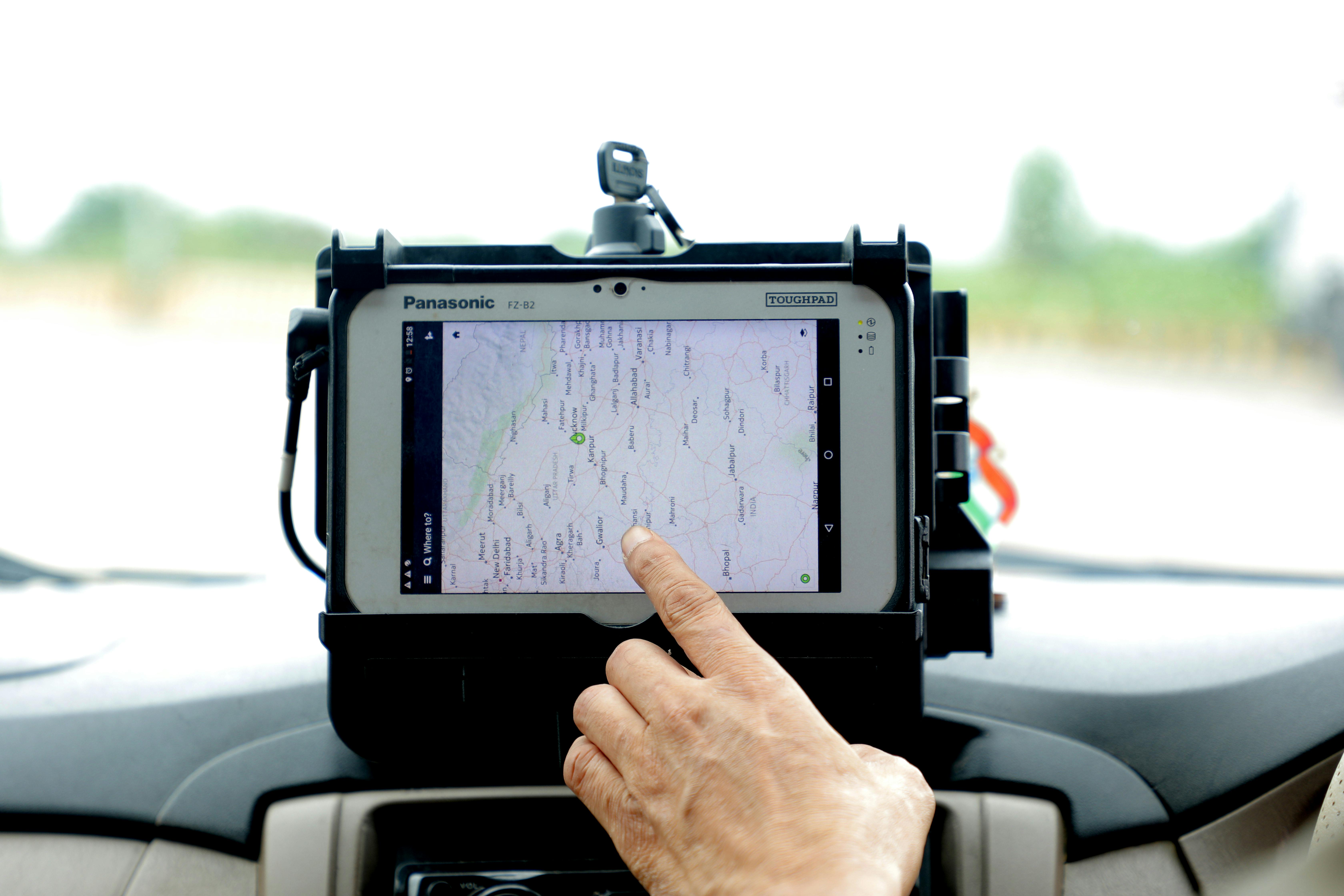
Dynamic routing systems are based on GPS technology that offers real-time visibility of vehicle movement and location. GPS signals are used to track the position of drivers in real-time, the status of route progress, completion of stops, the speed at which a vehicle travels and deviations on a route using fleet routing platforms. Location intelligence in real time allows the dispatch systems to make decisions about routes based on the real movement of the fleet instead of the estimated schedule. It also enables companies to keep track of the progress of delivery and detect operational delays in real-time.
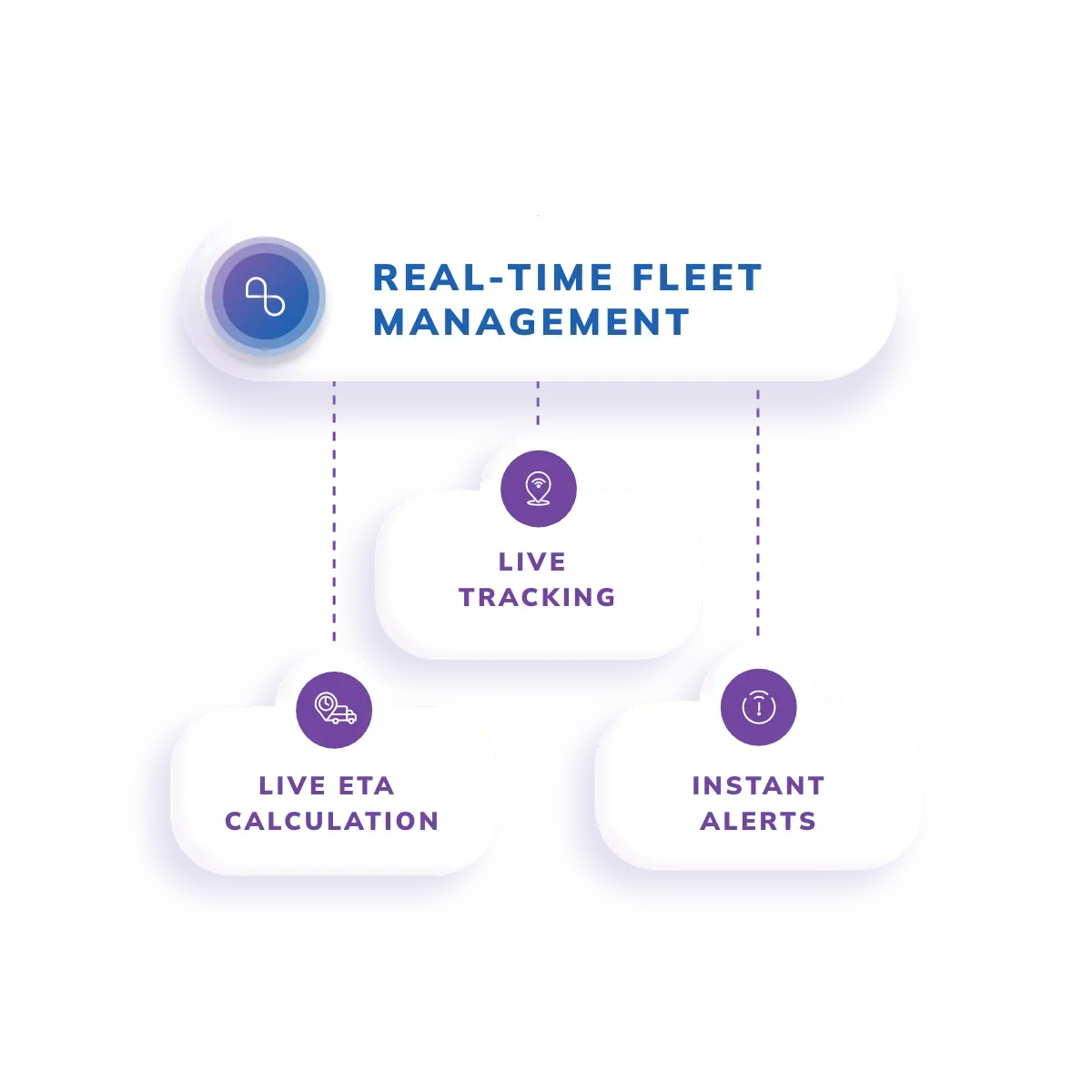
Live mapping and traffic intelligence sources are very important in dynamic routing systems. These systems constantly consume information regarding the level of congestion, accidents, road closures, diversions, construction works, toll restrictions and evolving road conditions. Routing engines can identify disruptions and provide real-time suggestions of more efficient alternatives by integrating mapping information with active route information. This enables fleets to circumvent bottlenecks and keep routes efficient during the delivery process.
Cloud infrastructure allows routing platforms to manipulate and disseminate operational data to various systems, users and devices in real-time. Real-time synchronized routing information can be accessed by drivers, dispatch teams, operations managers, and logistics platforms, no matter the location. Cloud architecture is also capable of supporting high volumes of calculation requirements required in route optimization, multi-stop calculations, fleet monitoring as well as dispatch operations. This is especially essential when it comes to large delivery networks with thousands of vehicles and route requests per day.
Predictive analytics are becoming more popular in modern routing systems to predict the conditions of operations before they disrupt. Predictive models use historical traffic patterns, delivery demand patterns, weather patterns, route performance metrics and fleet utilization patterns to predict the future. Instead of responding to delays that occur, businesses can be proactive to change routes and operational plans depending on the anticipated situations. This enhances reliability in delivery and builds on long-term operational planning.
Geospatial infrastructure based on API is becoming popular in dynamic routing platforms, as they incorporate routing features into bigger logistics systems. Route optimization, directions, distance matrices, geocoding, and ETA prediction APIs enable organizations to create routing workflows that are customized to their operational requirements. The API-driven systems offer the flexibility of integrating routing intelligence with transportation management systems, dispatch software, warehouse platforms, and delivery applications as well as scalability with expanding operations.
Below are some of the most common real-world scenarios where dynamic fleet routing systems improve operational efficiency, delivery performance, and route flexibility across modern logistics environments.
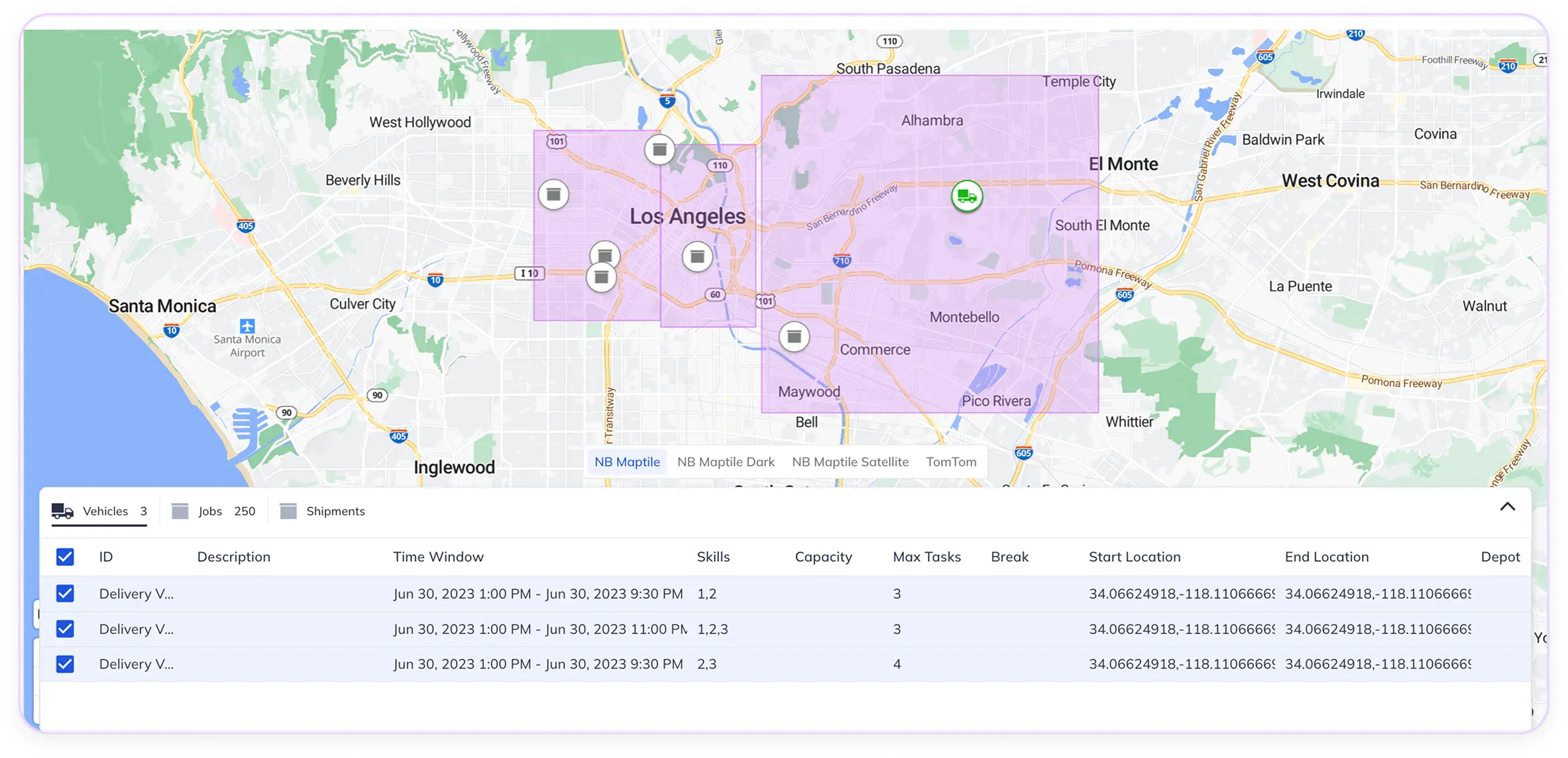
Last-mile delivery is often the most expensive and operationally complex stage of the logistics process. Deliveries occur in heavily populated regions where the traffic conditions, availability of customers, and delivery time can vary often. Such environments pose a challenge to the use of static routing since the pre-planned routes soon become obsolete as the conditions change.
Dynamic routing is a process that constantly assesses the current traffic conditions, delivery priorities, and route constraints, and optimizes the sequence of stops in ongoing operations. This assists companies in enhancing delivery speed, minimizing failed deliveries, improving ETA accuracy, and accomplishing more deliveries with minimal operational interruptions.
Distribution fleets often have routes with dozens or even hundreds of delivery points in various regions. Stop sequences that are manually arranged are harder to arrange as the volume of delivery grows. Ineffective sequencing results in unneeded mileage, increased fuel usage, and poor use of vehicles.
Dynamic routing systems are used to automatically calculate the optimal sequence of stops depending on the distance of the travel, the state of the roads, the priorities of the delivery, the timeframes and the limitations of the vehicle. This enables logistics operators to simplify the routes and enhance operational productivity within large-scale delivery networks.
Modern delivery ecosystems increasingly depend on same-day, express, and on-demand delivery services. New delivery orders are usually received when vehicles are already on active routes. Static routing systems are not efficient because they need human intervention to implement such changes, which causes delays and inefficiency in scheduling.
Active routing systems are constantly monitoring vehicle position, route status, fleet status, and travel conditions, and adding new stops to routes in progress intelligently. This allows businesses to enable flexible delivery models without compromising operational efficiency and customer service performance.
Field service organizations managing technicians, repair teams, installation crews, or utility personnel often face complex scheduling requirements. The placement of jobs is done in a way that takes into account the location of the technician, the expertise of the service, the workload, and the availability as well as the distance that the technician travels.
Dynamic routing software assists dispatch systems in automatically assigning jobs to the most appropriate field resources and constantly optimizing the movement of technicians during the day. This saves on the time of traveling, enhances workforce utilization and provides a quick response in field operations.

Healthcare logistics needs to be very precise in delivery since delays may directly influence patient care and reliability of operations. Organizations that deliver pharmaceuticals, vaccines, diagnostic samples, laboratory supplies, or medical equipment are usually subject to tight deadlines and regulations.
With the assistance of dynamic routing systems, the healthcare fleets can react instantly to the traffic problems, route alterations, and delivery limitations and stay reliable in terms of schedule. Constant route optimization enhances consistency in deliveries and allows transportation of very time-sensitive healthcare resources.
Below are some leading fleet routing platforms that help businesses improve route optimization, increase delivery efficiency, and build more intelligent dispatch operations across modern logistics networks.
Route4Me is a route optimization and fleet management system that is aimed at streamlining the delivery planning and field operations. The platform promotes multi-stop route sequencing, territory planning, GPS tracking, proof-of-delivery processes, and route performance analytics. Businesses rely on Route4Me to automate their route planning, minimize unnecessary mileage, decrease fuel usage, and enhance the productivity of their delivery operations in high-volume businesses. Its optimization engine assists organizations in optimizing their complex delivery schedules.
Our API-first fleet routing infrastructure is used by businesses operating in complex routing environments and large-scale logistics operations. Our platform offers optimized routes, truck-safe routing, distance matrix, traffic-aware navigation, custom routing constraints, and geospatial intelligence. We assist companies in developing very flexible routing and dispatch systems that meet the needs of operations like multi-stop deliveries, custom costing, vehicle constraints, and dynamic route optimization. Our APIs also allow organizations to develop scalable, real-world routing workflows, as opposed to using inflexible routing models.
Onfleet is a last-mile delivery management system that aims at enhancing visibility of deliveries and coordination of operations. The system offers route optimization, live driver tracking, customer notifications, delivery status updates, proof-of-delivery features, and automated dispatch processes. Onfleet is commonly used by businesses in the retail, food delivery, healthcare logistics, and local delivery services to enhance communication and efficiency with customers and delivery.
OptimoRoute assists companies in optimizing their delivery scheduling and field workforce operations. Its platform allows planning routes, optimizing stops, scheduling technicians, balancing workload, and managing time windows. The platform is used by businesses that handle high volumes of deliveries or field teams to enhance vehicle usage, minimize travel time, and enhance operational efficiency without compromising the quality of service.
Verizon Connect is a combination of telematics, GPS fleet tracking, and route management features into one centralized fleet operations platform. The system helps organizations to track the movement of their vehicles, monitor driver behavior, enhance fleet visibility, optimize routes and analyze the performance of their operations. Transportation providers, logistics companies, and enterprise fleets are common users of it to achieve improved visibility and control over large-scale vehicle operations.
Though they take rather distinct approaches to route design, both static and dynamic routing seek to enhance delivery operations. While dynamic routing constantly adjusts to actual conditions as deliveries are made, static routing concentrates on set schedules and predetermined routes.
Factor | Static Routing | Dynamic Routing |
Route Planning Approach | Routes are rarely altered and are prepared before dispatch. | Routes are constantly modified based on real-time operational data. |
Flexibility | Restricted adaptability during interruptions | High adaptability to shifting delivery circumstances |
Traffic Handling | Depends on an estimate of the traffic situation | Uses rerouting and real-time traffic updates |
Delivery Changes | Managing last-minute or urgent orders can be challenging. | Easily adapts to new stops and delivery changes |
Operational Efficiency | Can become inefficient during unexpected events | Continuously improves routes for increased effectiveness |
Dispatcher Involvement | More manual involvement is needed | Uses automation to lessen manual coordination |
ETA Accuracy | Less reliable during delays | More accurate due to live route adjustments |
Below are some of the ways we help businesses build flexible, scalable, and intelligent routing systems designed for modern fleet operations and real-world delivery complexity.
We assist companies in streamlining delivery processes with state-of-the-art route optimization solutions that are designed to operate under real-world routing conditions. Our routing system is multi-stop optimizing, has vehicle capacity limits, delivery time limits, truck-safe routing, driver schedules, and custom travel cost calculations. This allows fleet operators to create very efficient routes and minimize the mileage, fuel consumption, and operational inefficiencies.
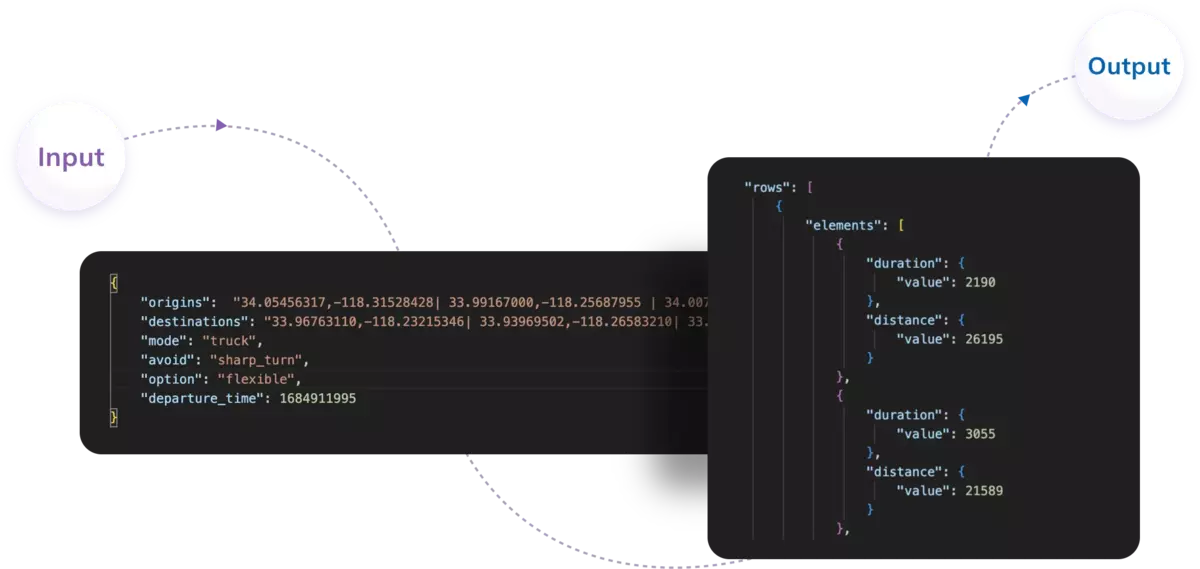
Our distance and travel-time computing is high-performance and can be used to support large-scale dispatch and routing. Our Distance Matrix capabilities handle large volumes of origin-destination combinations with low latency to assist businesses in improving vehicle allocation, dispatch logic, clustering of deliveries, and accuracy of route planning over large logistics networks.
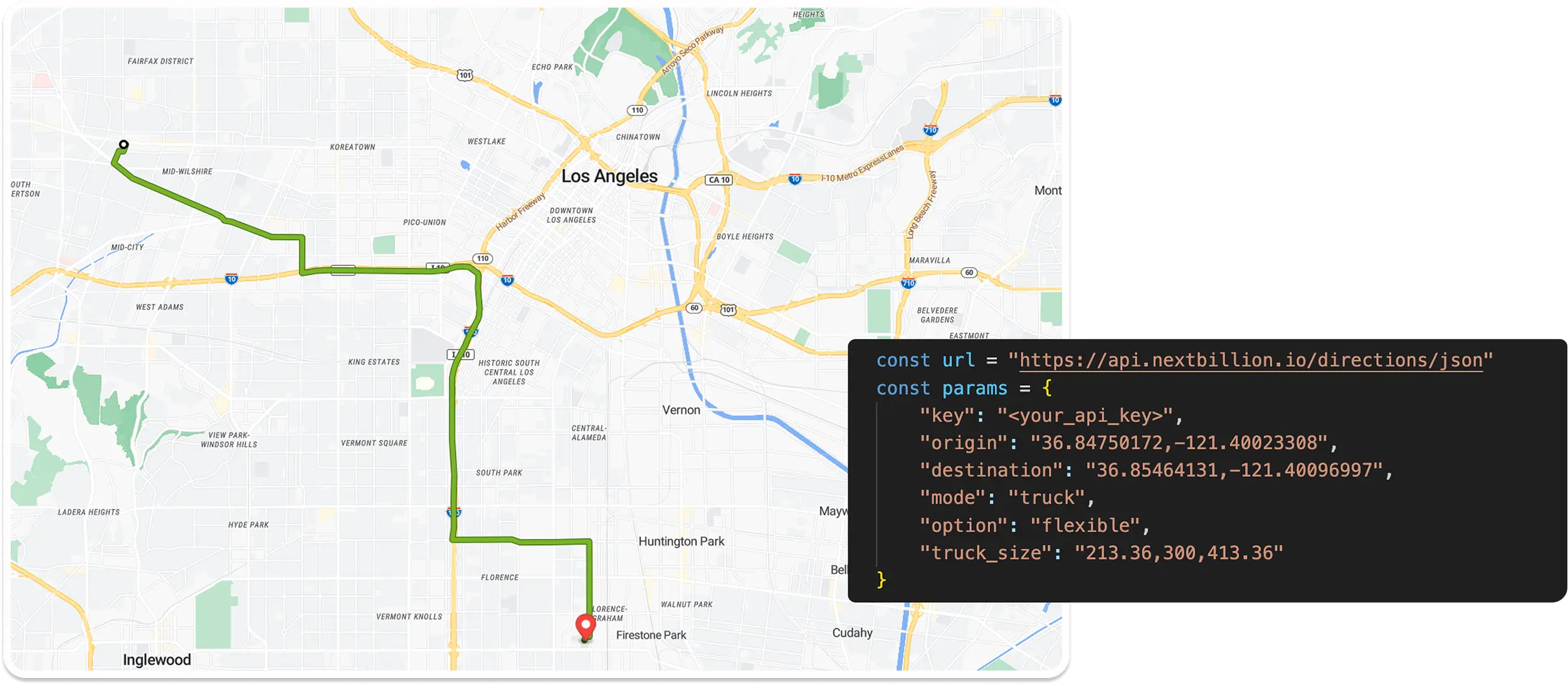
We empower fleets to create smart navigation experiences through real-time and past traffic-conscious navigation. Our routing systems accommodate the optimal routes of cars, trucks, and special types of vehicles and enable businesses to program operational needs like avoiding toll roads, restricted routes, highways, or challenging turns.
Our platform assists companies in making better routing decisions based on the constantly updated traffic conditions, mapping intelligence and the road network data. Active operations can be responded to more quickly by fleets by incorporating live operational data into routing processes to address congestion, delays, road closures, and route disruptions.
We offer scalable geospatial APIs, which are interoperable with dispatch systems, transportation management platforms, and fleet applications, as well as logistics processes. This enables businesses to create scalable routing ecosystems based on the needs of operations and flexibility as the complexity of delivery increases.
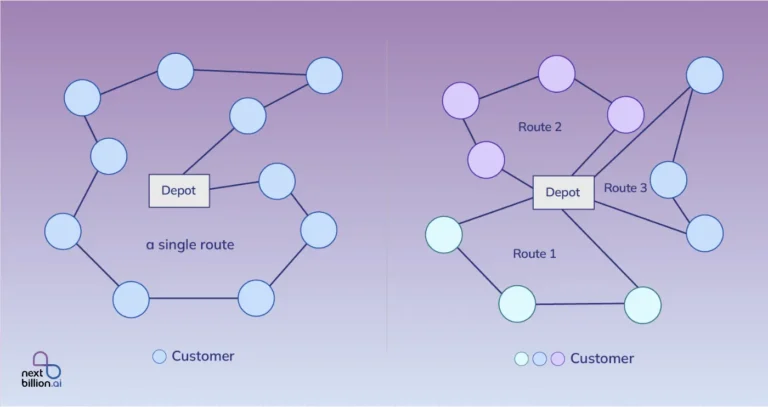
The modern delivery operation is too unpredictable to be effectively dealt with by rigid routing systems. Fleets need to make quicker and smarter decisions when routing live with traffic disruption, delivery schedule changes, higher customer expectations, and higher volume deliveries. Dynamic routing enables the business to be flexible and alters the traffic as they go live. This helps to optimize delivery performance, decrease fuel consumption, enhance driver productivity, and enable improved customer experiences.
With logistics networks evolving more complex, companies that put in place intelligent and adaptive routing systems will be ready to grow and become efficient in the future.
Upgrade every mile with more intelligent, real-time routing designed for modern fleet operations. Connect with NextBillion.ai to build scalable route optimization and dispatch solutions tailored to your logistics needs.
Static route plans fail because they cannot adapt to real-time traffic, delivery changes, weather disruptions, or last-minute orders during active operations.
Dynamic routing continuously updates routes using live traffic, GPS, and operational data to reduce delays, fuel usage, and delivery disruptions.
Yes. Fleet routing software optimizes routes, minimizes unnecessary mileage, reduces idle time, and helps fleets lower fuel consumption.
Modern fleet routing software uses AI, GPS tracking, machine learning, predictive analytics, and real-time traffic data for smarter route decisions.
Industries such as logistics, e-commerce, food delivery, field services, healthcare, and transportation benefit from dynamic routing systems.
Bhavisha Bhatia is a Computer Science graduate with a passion for writing technical blogs that make complex technical concepts engaging and easy to understand. She is intrigued by the technological developments shaping the course of the world and the beautiful nature around us.