


Table of Contents
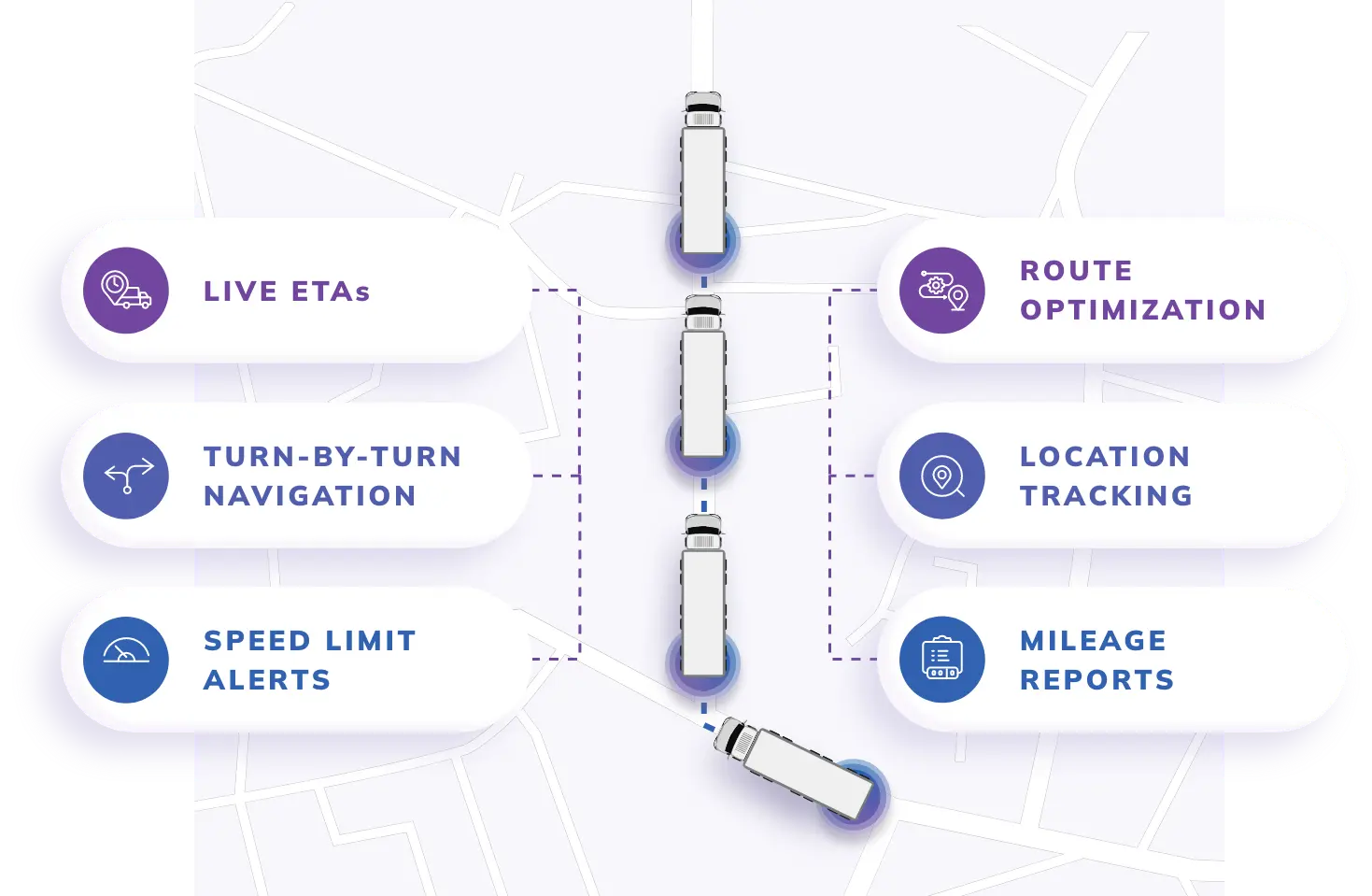
Here are the top 15 fleet management software features businesses should evaluate before choosing a platform:
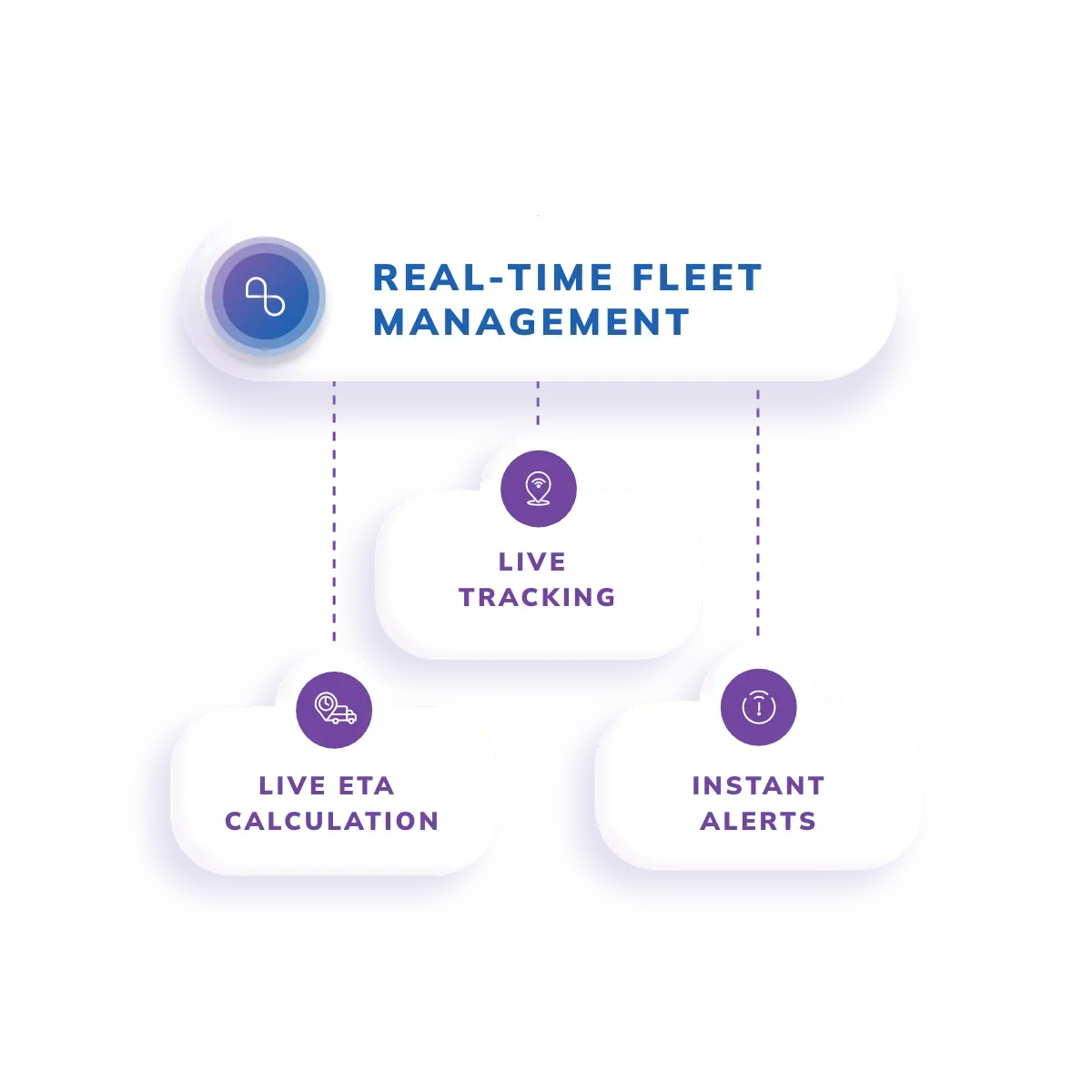
One of the fundamental features of fleet management software is real-time GPS tracking. It enables companies to track the real-time position of vehicles in the delivery routes, service areas, and transport systems. With the incorporation of GPS devices and telematics systems, fleet managers can have real-time access to the vehicles’ movements, their routes, and the amount of time that the vehicles are idle. This information assists in enhancing the transparency of operations, minimizing illegal use of vehicles, and responding more quickly to disruptions during fleet operation.
In terms of business, real-time tracking assists organizations in having operational control of distributed fleets that work in different regions. Companies can track the performance of deliveries, check whether the services have been completed, and give correct feedback to the customers and dispatch teams. This visibility also enhances accountability among the drivers and minimizes operational risks caused by the misuse of the vehicles or deviation from routes.
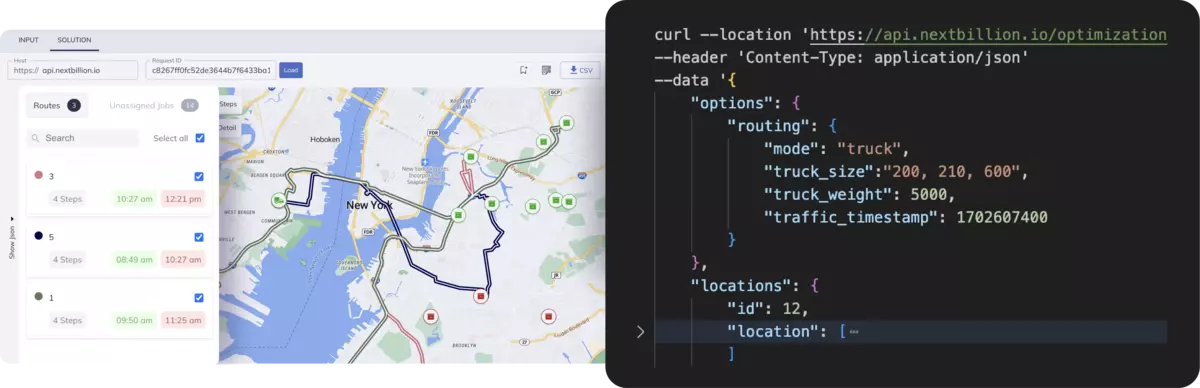
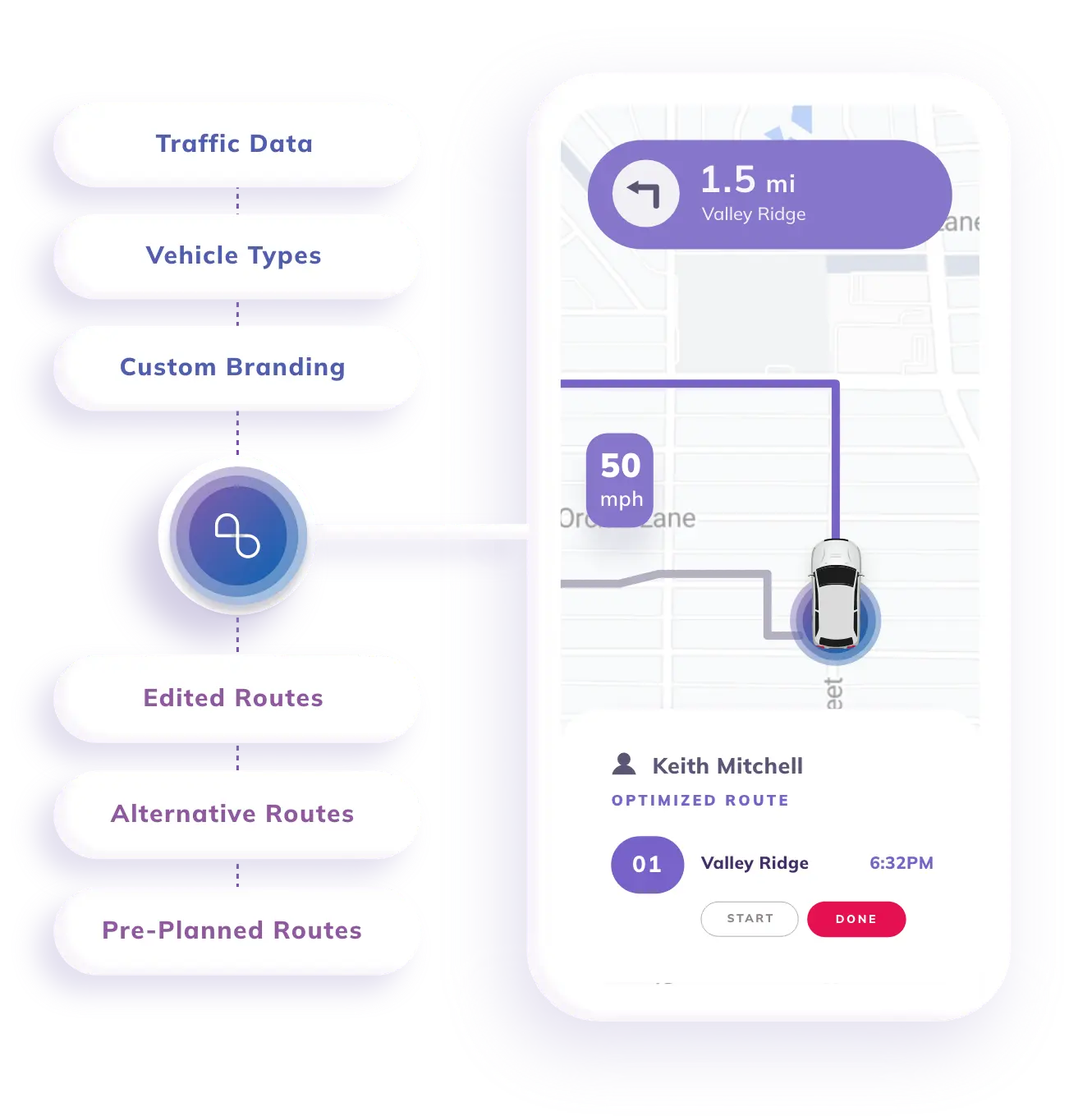
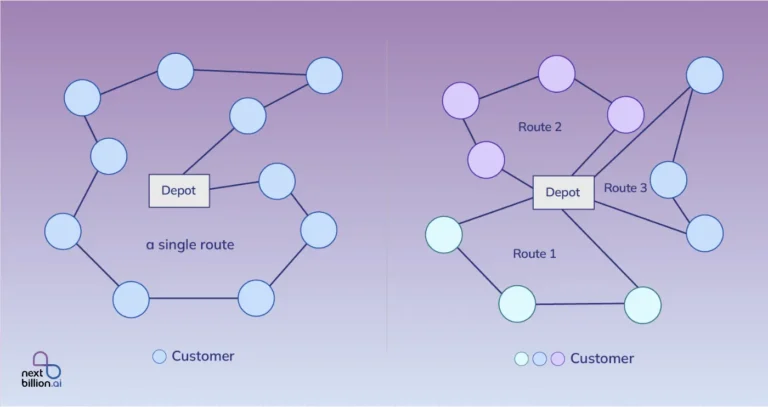
The functionality of route optimization assists the fleet operators in designing efficient routes based on the addresses of deliveries, the traffic flow, the road-related limitations, and the capacities of vehicles. Fleet management platforms apply routing algorithms to find the most efficient delivery path for drivers and automatically dispatch tasks. An effective dispatch management minimizes the travel distance, decreases the delivery time, enhances the fleet productivity, and enables the operations teams to coordinate various vehicles and schedules of deliveries using a centralized system.
Companies considering the use of fleet management applications must consider the effectiveness of the platform to optimize routes in high-volume operations. The route planning is a direct influence on the fuel consumption, delivery turnaround time, and the productivity of the driver. In companies with hundreds of deliveries or service visits per day, optimized routing functions can save a lot of money and enhance the reliability of the service.
Fleet management software usually has driver behavior monitoring tools that process driving patterns based on telematics data. These systems monitor speeding, rough braking, acceleration, and excessive idling. By assessing driver performance, fleet managers are able to detect risky driving behaviors and make safety improvements through driver training and policy adjustments. Driver activity monitoring is also useful for minimizing the chances of accidents, improving fuel consumption, and ensuring adherence to transportation safety measures.
From a business analysis perspective, understanding driver behavior assists companies in minimizing safety incidents, insurance costs, and vehicle damage. Organizations with large fleets benefit from uniform driver performance metrics that support safety initiatives and accountability systems. Businesses should consider how effectively fleet platforms convert driver data into actionable safety reports and performance insights.
Fuel management capabilities allow fleet operators to monitor fuel consumption across vehicles using telematics data and fuel transaction records. Fleet management software analyzes metrics such as fuel usage per trip, fuel efficiency trends, idle fuel consumption, and refueling activity. By integrating fuel card systems and telematics sensors, the platform provides visibility into fuel spending and identifies unusual consumption patterns that may indicate operational inefficiencies or fuel misuse.
For businesses, fuel is often one of the largest operational expenses in fleet operations. Companies evaluating fleet management software should assess how effectively the platform tracks fuel efficiency across vehicles and drivers. Accurate fuel analytics help organizations reduce unnecessary fuel consumption, detect fuel theft, and implement driving practices that improve fuel economy across the fleet.
Vehicle maintenance management capabilities assist organizations in monitoring the health and service conditions of their fleet cars. Fleet management systems are systems that receive data through onboard diagnostics systems, service history, and mileage tracking to plan preventive maintenance services like oil changes, tire replacement, and engine checks. Alerts that are automated send notifications to the fleet managers when the vehicles reach maintenance levels, thus avoiding sudden breakdowns and operational inconveniences.
In business terms, active maintenance management saves time and increases the life of the assets. Fleet software should be considered by the companies, offering a more detailed history of the services, maintenance scheduling, and automatic alerts. Fleet reliability is enhanced through proper maintenance planning, and it assists organizations in controlling the expenditure on repair and ensuring a stable performance of operations.
Fleet analytics software consolidates data on vehicles, drivers, and routes to create performance insights on a fleet-wide basis. The software used in fleet management offers dashboards and reports that assess parameters including vehicle usage, delivery rates, idle time, route efficiency, and fuel usage. These analytics applications enable managers to track operational trends and detect inefficiencies in fleet operations.
Businesses using fleet management software should focus on platforms that deliver clear and practical performance reporting. Insights derived from data help organizations make strategic decisions regarding fleet growth, route optimization, driver management, and cost control. Advanced analytics also provides companies with the ability to continuously optimize fleet operations based on measurable business indicators.
Compliance management software is frequently part of fleet management software that assists organizations in fulfilling transportation regulations and industry standards. These systems monitor driver hours, vehicle inspections, licensing, and regulatory reporting. Integration with electronic logging devices (ELDs) and driver logs enables companies to maintain proper records of driving time and rest time.
From a business analysis perspective, compliance capabilities minimize the risk of regulatory violations and operational fines. Businesses that operate in different regions or countries must comply with transportation safety rules and driver work-hour limitations. Compliance tracking software integrated into fleet platforms helps organizations maintain accurate records and reduce the paperwork involved in regulatory reporting.
Modern fleet management platforms offer integration features that enable them to integrate with other business systems such as logistics management software, supply chain platforms, ERP systems, and mapping services. Fleet platforms can exchange operational data with dispatch tools, order management systems, and warehouse software through APIs and data connectors. This integration will keep fleet operations aligned with broader logistics and business processes.
Companies must assess how easily fleet management software can fit within the current technology stack. A high level of integration will allow smooth data flow between operational systems, which will enhance coordination among transportation, warehouse, and customer service teams. This connectivity enables organizations to develop integrated logistics platforms rather than isolated fleet monitoring systems.
Geofencing features allow fleet operators to define virtual geographic boundaries around specific locations such as warehouses, delivery zones, or restricted areas. Monitoring of vehicle movement with respect to such boundaries is done through fleet management systems, which provide automated alerts when vehicles move outside or inside designated areas. Geofencing is also useful in monitoring the arrival and exit times at the delivery points or service locations.
For businesses, geofencing offers more control over operations and visibility of the fleet. Firms can check the completion of the services, inspect the conformity to the designated routes, and identify the unauthorized movement of the vehicles. In the assessment of fleet management software, organizations must consider the effectiveness of geofencing tools in terms of operational tracking and automatic alerts in their fleet management processes.
Fleet management software often extends beyond vehicle monitoring to include tracking of trailers, containers, and other mobile assets. Businesses can track the position of assets that are not powered and their use within logistics networks with the help of GPS trackers, RFID tags, and IoT sensors. The system captures the movement of assets, the idle time, and the deployment in various locations of operation.
Asset visibility helps businesses prevent equipment loss and improve the utilization of high-value logistics assets. Operators of trailers, containers, or specialized equipment benefit from knowing the location of assets and how frequently they are used. Companies evaluating fleet management software should check whether the system enables complete tracking of both vehicles and mobile assets.
The dispatch automation capabilities enable fleet managers to delegate delivery assignments, service orders, or transportation assignments to the drivers via centralized dashboards. Fleet software compares vehicle availability, driver schedules, and proximity of the routes, and assigns tasks in the most efficient way. Mobile applications are used to assign drivers their routes and job details in real time.
For businesses, automated dispatch systems enhance the coordination of operations and minimize scheduling errors in the manual systems. Software is beneficial to companies that have large delivery fleets or field service staff and will automatically allocate tasks depending on operational priorities. Assessment of dispatch capabilities aids organizations in maintaining the organization of fleet operations, responsiveness, and scalability as workload grows.
Most fleet management apps have mobile apps that are used by drivers and field operators. The apps also offer drivers navigation guidance, delivery schedule, job updates, and communication devices that connect them to dispatchers. The mobile applications can also be used to record the delivery confirmations, digital signatures, and service documentation in the field.
As a business assessment, driver-facing mobile applications enhance business efficiency and communication among the fleet. Organizations need to think about the extent to which these apps can be used to provide real-time updates, route guidance, and task reporting. Good mobile applications enable drivers to complete deliveries or perform service tasks more efficiently and keep fleet managers updated on operational progress.
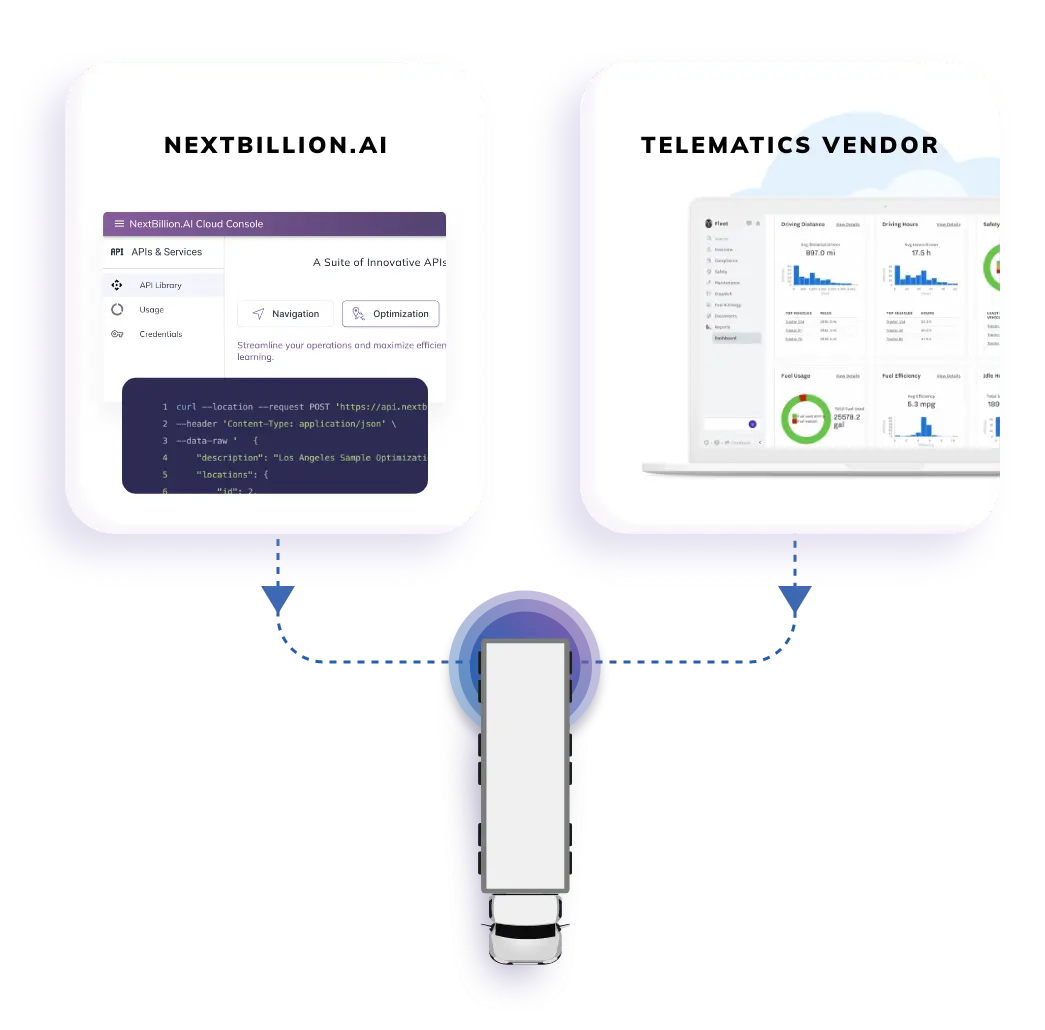
Predictive maintenance functions use vehicle sensor and onboard diagnostics data as telematics to identify early indicators of mechanical problems. The software for managing the fleet tracks the parameters of engine performance, battery health, mileage trends, and fault codes of the diagnostic. The platform notifies fleet managers in advance to carry out maintenance by detecting anomalies prior to failures.
Business-wise, predictive maintenance lowers the number of unforeseen vehicle breakdowns and discontinuities. Companies that assess fleet management software must pay attention to the fact that the platform must have the capability to operate on telematics-based diagnostics and predictive alerts. Mechanical issues can be identified early to ensure that organizations reduce downtime, prevent expensive repairs, and ensure that the fleet is always available.
Fleet management systems usually have their own communication systems where dispatch teams and drivers can share updates in the process of an operation. Such tools can be in-app messages, task messages, route messages, and delivery status messages. The built-in communication lines assist drivers to get instructions in real-time and enable dispatch teams to modify assignments when the operational conditions vary.
In the case of businesses that operate distributed fleets, efficient communication tools minimize time loss in coordination and confusion in operations. Businesses ought to consider the way fleet software can facilitate real-time communications, delivery notifications, and operation alerts. Effective communication aspects enhance the coordination of the field drivers and the management teams, which leads to smoother fleet operations.
The fleet management software handles sensitive operational information such as vehicle positions, driver movements, and logistics schedules. Encrypted data transmission, role-based access controls, and secure cloud infrastructure are some of the security measures that are incorporated in modern platforms. These controls ensure that operational data is not accessed by unauthorized people and that system reliability is maintained.
From a business analysis perspective, data security is vital in the process of handling large fleets and logistics. Organizations ought to determine whether the fleet management software is in accordance with industry security standards and offers effective access controls. Confidential data security guarantees business integrity and safeguards essential business data among interlinked fleet systems.