

top-supply-chain-logistics-software

Top Supply Chain and Logistics Software in 2026 (SCM Platforms Compared)

Published: April 7, 2026

Modern supply chains are no longer linear. They are dynamic, data-driven ecosystems that must respond to real-time demand, disruptions, and customer expectations. This shift has made supply chain and logistics software a core operational layer, not just a support tool.

This guide compares leading supply chain management (SCM) platforms, explains key capabilities, and helps you evaluate the right solution based on your operational needs.

What Is Supply Chain and Logistics Software?

Supply chain and logistics software is a category of digital systems designed to manage, coordinate, and optimize the movement of goods, data, and resources across the entire supply chain—from raw material sourcing to final delivery.

Instead of operating in silos, modern businesses rely on these platforms to connect every stage of the value chain into a single, data-driven workflow. This enables better planning, faster execution, and more accurate decision-making.
oil and gas distriibution

At a high level, the category can be split into two functional layers:

Supply Chain Software (Planning and Coordination Layer)

Supply chain software focuses on upstream and midstream operations. Its primary role is to ensure that the right products are available at the right place and time.

Key functions include:

  • Demand forecasting: Predicting customer demand using historical and real-time data

  • Procurement management: Managing supplier relationships, sourcing, and purchasing

  • Inventory optimization: Maintaining optimal stock levels across warehouses and distribution centers

  • Production planning: Aligning manufacturing schedules with demand forecasts

  • Order orchestration: Coordinating orders across multiple channels and fulfillment nodes

This layer is typically used by supply chain planners, procurement teams, and operations managers to make strategic and mid-term decisions.

Logistics Software (Execution and Delivery Layer)

Logistics software operates downstream, focusing on the physical movement of goods. It ensures that orders are fulfilled efficiently and delivered on time.

Key functions include:

  • Transportation management: Planning shipments, selecting carriers, and managing freight

  • Route optimization: Determining the most efficient delivery routes based on constraints like traffic, time windows, and vehicle capacity

  • Fleet management: Monitoring vehicle performance, driver behavior, and fuel usage

  • Dispatch and scheduling: Assigning deliveries to drivers and managing delivery timelines

  • Real-time tracking: Providing live visibility into shipment and delivery status

This layer is primarily used by logistics managers, dispatchers, and fleet operators for real-time execution.

How Modern Platforms Bring It All Together

Traditionally, supply chain and logistics systems operated independently, leading to fragmented data and delayed decision-making. Modern platforms eliminate this gap by unifying both layers into a single ecosystem.

This integration enables:

  • End-to-end visibility: Track inventory, orders, and shipments across the entire lifecycle

  • Real-time coordination: Align planning decisions with on-ground execution instantly

  • Faster response to disruptions: Adjust routes, inventory, or sourcing based on live conditions

  • Improved efficiency: Reduce costs across procurement, warehousing, and transportation

In practice, this means a delay in transportation can automatically trigger inventory reallocation or supplier adjustments—without manual intervention.

Why It Matters in 2026

As supply chains become more complex and customer expectations continue to rise, businesses can no longer rely on static planning or disconnected tools. Supply chain and logistics software acts as the operational backbone that keeps everything synchronized.

Organizations that adopt unified, real-time platforms are better equipped to:

  • Scale operations across regions

  • Handle demand volatility

  • Improve delivery performance

  • Maintain cost efficiency

In short, these systems transform supply chains from reactive processes into proactive, optimized networks.

Key Capabilities to Look for in Modern SCM Platforms

When evaluating supply chain management (SCM) software in 2026, prioritize capabilities that enable real-time decision-making, cross-system coordination, and long-term scalability. Modern platforms are expected to do more than manage workflows—they should continuously adapt to changing demand, supply disruptions, and operational constraints.

Below are the core capabilities that define high-performing SCM platforms:

1. End-to-End Visibility

A modern SCM platform should provide a unified view of the entire supply chain—from suppliers to final delivery.

This includes:

  • Real-time tracking of inventory across warehouses and distribution centers

  • Order status visibility across channels

  • Shipment tracking across carriers and regions

End-to-end visibility reduces blind spots and enables faster issue resolution, especially during delays or disruptions.

2. Demand Forecasting and Planning

Accurate forecasting is critical for balancing supply and demand. Advanced platforms use AI and machine learning to improve forecast accuracy.

Look for:

  • Demand sensing using real-time signals (sales trends, seasonality, external factors)

  • Scenario planning for demand fluctuations

  • Automated replenishment recommendations

This helps reduce stockouts, avoid excess inventory, and improve service levels.

3. Order and Inventory Management

Centralized order and inventory control ensures smooth fulfillment operations across multiple nodes.

Key capabilities include:

  • Multi-location inventory tracking

  • Order orchestration across warehouses, stores, and fulfillment centers

  • Automated allocation based on availability and proximity

This is essential for businesses managing omnichannel fulfillment or distributed inventory networks.

4. Transportation and Route Optimization

Transportation is often the most variable and cost-intensive part of the supply chain. Strong SCM platforms include or integrate with advanced routing capabilities.

Look for:

  • Dynamic route optimization based on real-time traffic and constraints

  • Support for delivery time windows and vehicle capacity

  • Multi-stop route planning and re-optimization

This capability directly impacts delivery speed, fuel efficiency, and fleet utilization.

5. Integration and API Flexibility

SCM platforms must operate within a broader technology ecosystem. Integration flexibility is critical for avoiding data silos.

Ensure the platform supports:

  • Seamless integration with ERP systems, WMS, and TMS

  • Connectivity with telematics and IoT devices

  • Open APIs for custom workflows and third-party tools

API-first platforms provide greater control and adaptability as your operations evolve.

6. Real-Time Analytics and Reporting

Data-driven decision-making depends on access to accurate and timely insights.

Look for:

  • Customizable dashboards for key metrics (OTIF, delivery time, cost per shipment)

  • Drill-down capabilities for root cause analysis

  • Predictive analytics for identifying potential disruptions

This allows teams to monitor performance and continuously optimize operations.

7. Compliance and Risk Management

Global supply chains operate under varying regulations and are exposed to multiple risks. SCM software should help manage both.

Key features include:

  • Regulatory compliance tracking across regions

  • Supplier risk assessment and monitoring

  • Alerts for disruptions such as delays, shortages, or geopolitical events

Proactive risk management minimizes operational impact and ensures continuity.

What This Means for Buyers

The best SCM platforms are not defined by the number of features but by how well these capabilities work together. A system that combines visibility, intelligence, and execution in real time will deliver the most value—especially for businesses operating across multiple regions or handling complex logistics workflows.

Top Supply Chain Management Platforms Available Today

supply chain

The SCM software landscape in 2026 is shaped by platforms that combine planning intelligence, execution capabilities, and real-time data integration. Below is a curated list of leading solutions, starting with a logistics-first platform designed for modern, API-driven supply chains.

NextBillion.ai

NextBillion.ai is a logistics-focused platform that provides advanced routing, mapping, and optimization APIs for building custom supply chain and delivery solutions.

Who is it for?

NextBillion.ai is best suited for logistics-driven enterprises, including last-mile delivery companies, fleet operators, and businesses with complex routing needs. It is particularly valuable for teams that require customization beyond what traditional SCM platforms offer—such as dynamic routing, region-specific constraints, or integration with proprietary systems. Engineering teams, product managers, and logistics operators benefit the most due to its API-first architecture.

NextBillion.ai Features

1. Advanced Route Optimization API

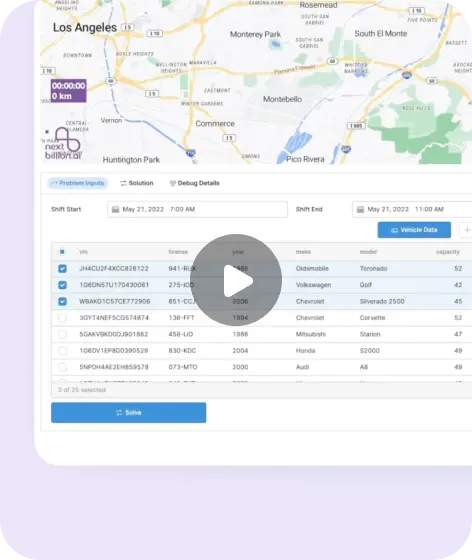
This feature enables businesses to generate highly efficient routes based on multiple constraints such as time windows, vehicle capacity, traffic conditions, and delivery priorities.
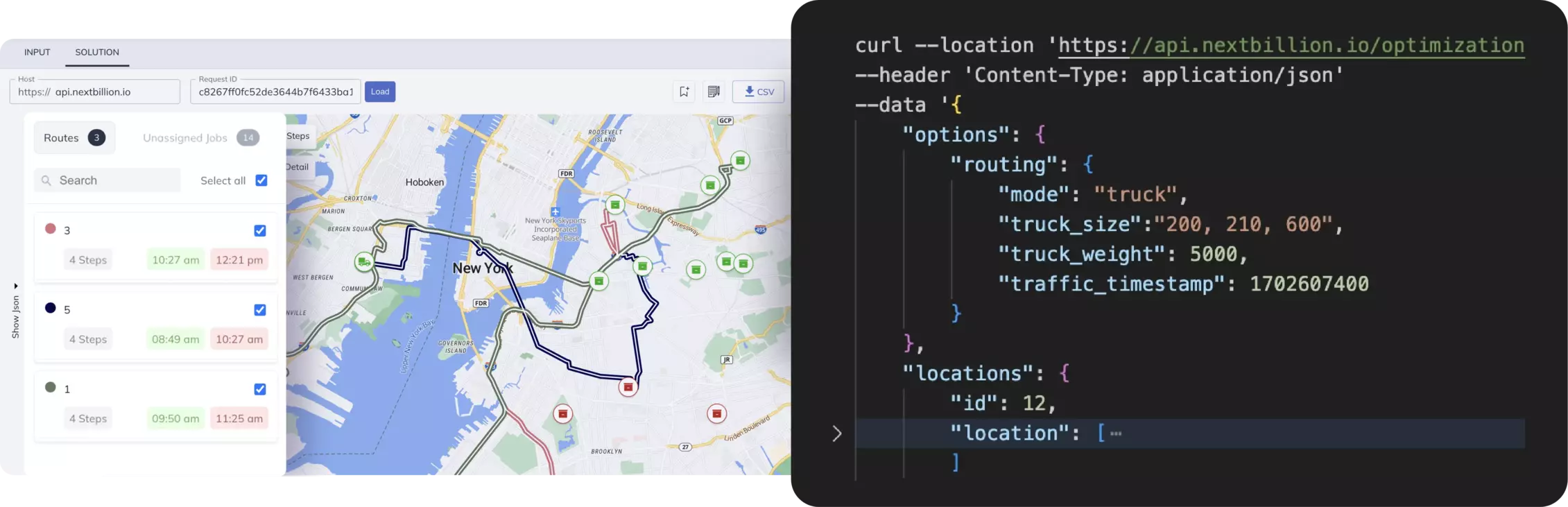
  • How it works: Users define constraints and input delivery points via API. The engine computes optimal routes in real time.

  • Why it matters: It reduces fuel costs, improves delivery SLAs, and increases fleet utilization.

route optimization

2. Customizable Map Data and Navigation Stack


Unlike traditional platforms, NextBillion.ai allows businesses to bring their own map data or customize existing datasets.
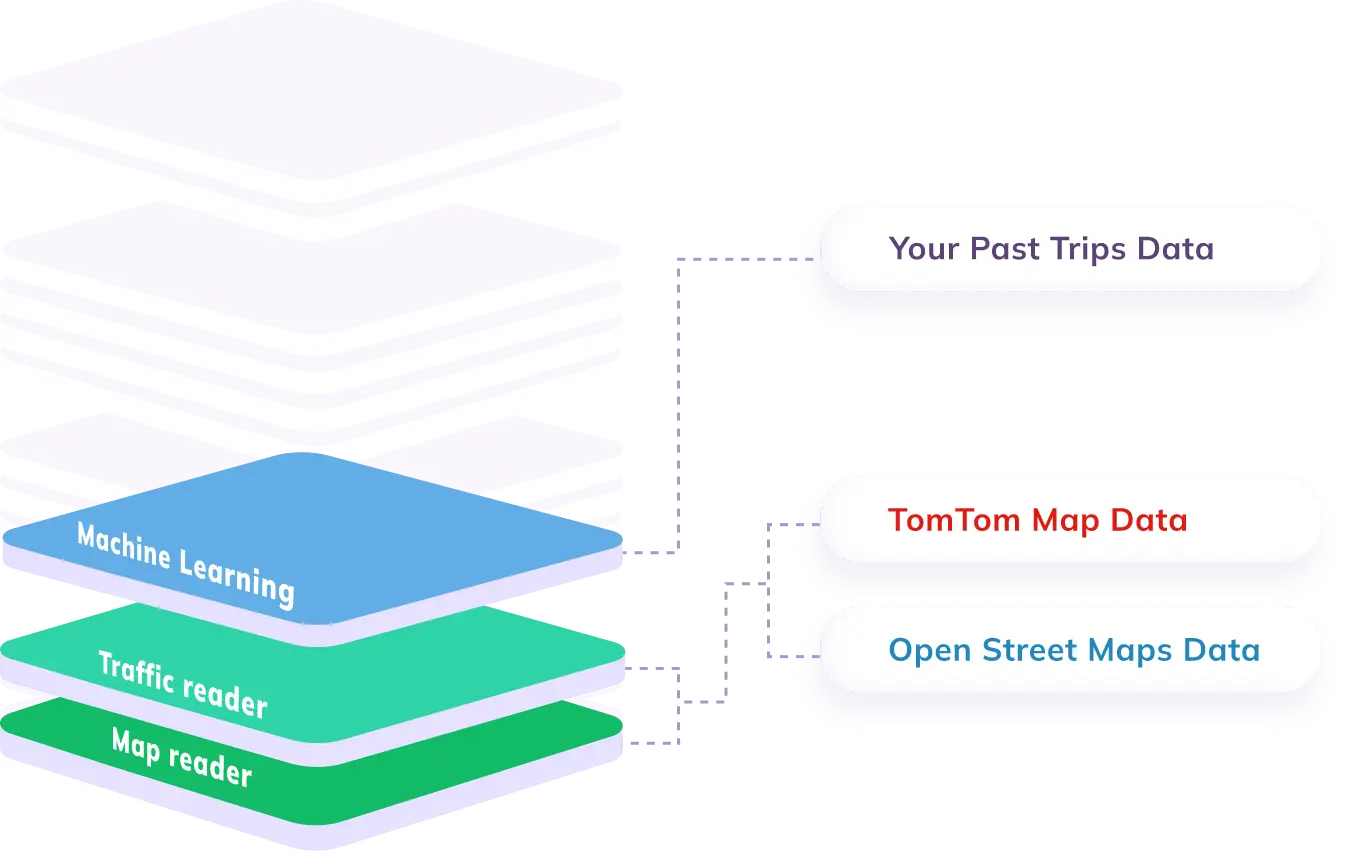
  • How it works: Supports multiple map providers and custom layers (e.g., private roads, restricted zones).

  • Why it matters: Critical for operations in regions with poor mapping coverage or unique road conditions.

  • Unique Advantage: Most SCM tools rely on fixed map providers, limiting flexibility in emerging markets.

solution
3. Real-Time Dispatch and Dynamic Rerouting


The platform supports live tracking and dynamic route adjustments based on real-world conditions.
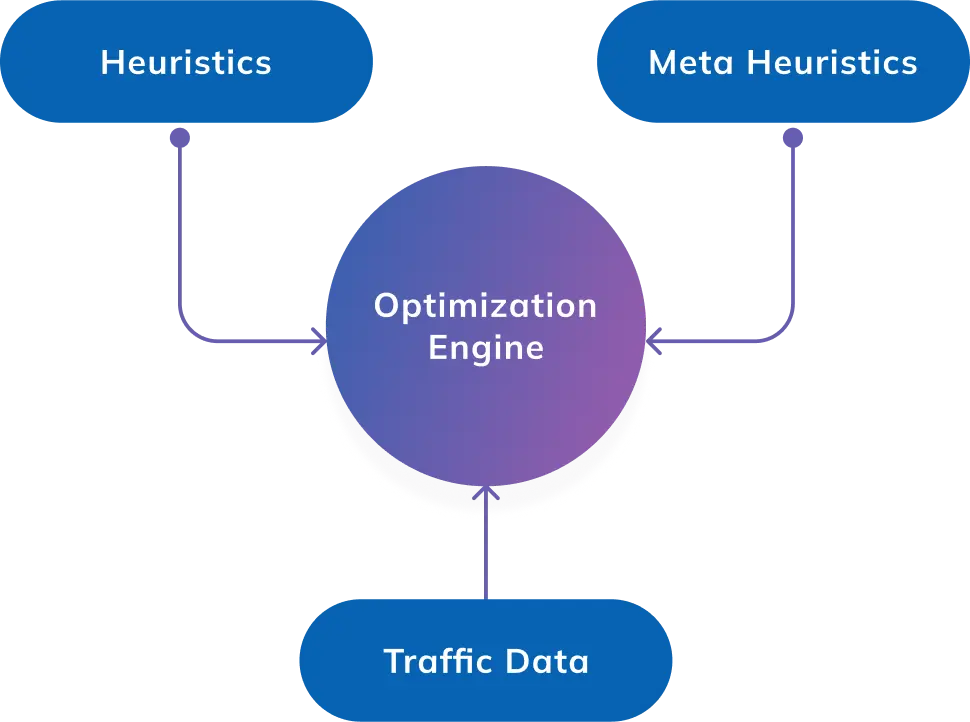
  • How it works: Continuously ingests traffic and operational data to re-optimize routes mid-journey.

  • Why it matters: Helps mitigate delays and ensures on-time deliveries in unpredictable environments.

advanced ai route optimization
4. Scalable API Infrastructure

Designed for high-scale logistics operations, the platform handles large volumes of routing requests with low latency.
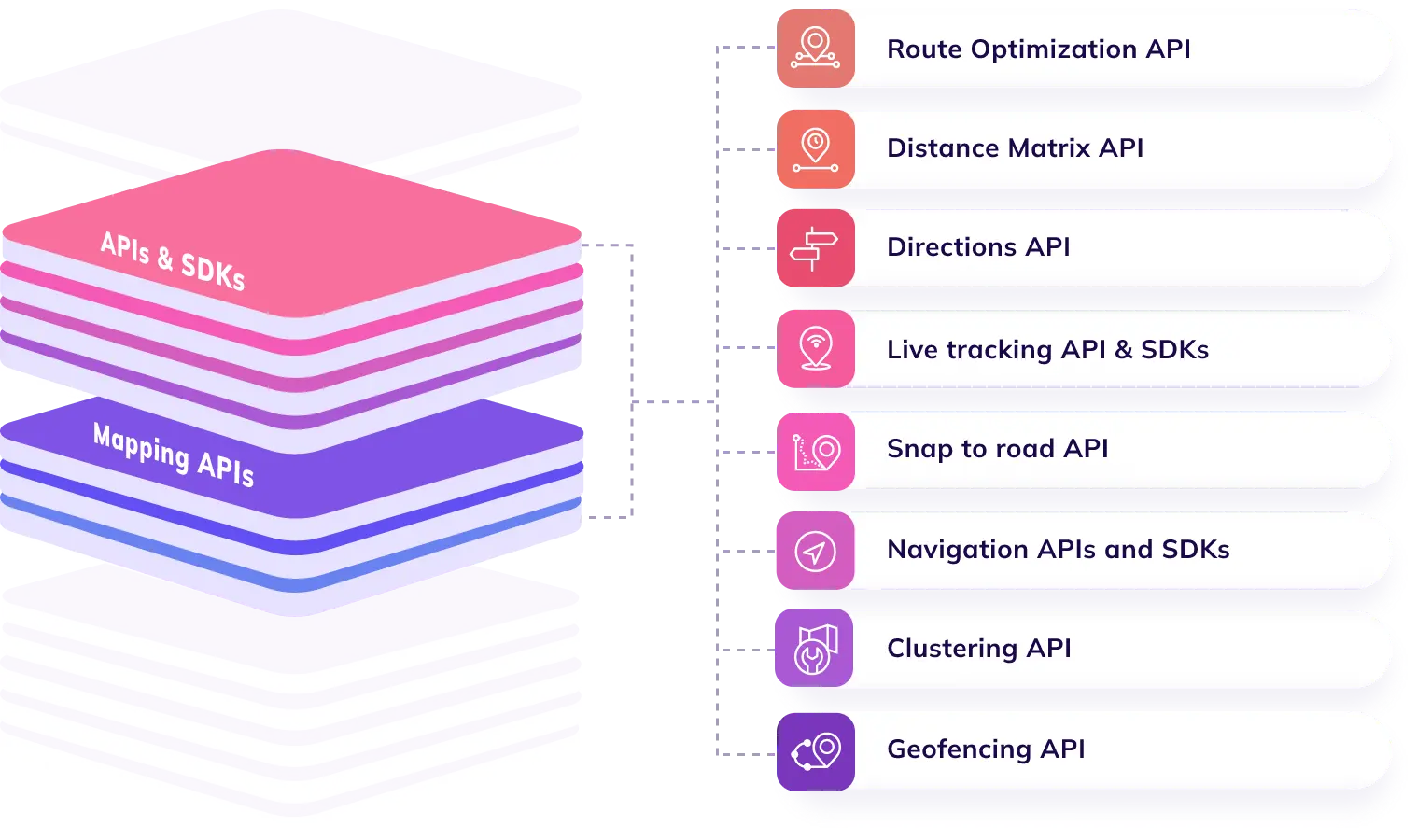
  • How it works: Cloud-native APIs process millions of requests while maintaining performance.

  • Why it matters: Essential for enterprises managing thousands of daily deliveries.

apis and sdks
NextBillion.ai Pricing

NextBillion.ai offers usage-based pricing tailored to API consumption.

  • Starter plans: Suitable for small teams testing routing and mapping APIs

  • Growth plans: Designed for scaling operations with higher API limits and advanced features

  • Enterprise plans: Custom pricing with dedicated support, SLAs, and infrastructure scaling

NextBillion.ai Pros and Cons

Highly customizable routing and mapping capabilities

API-first architecture enables deep integration

Strong performance in logistics-heavy use cases

Requires technical expertise to implement

Not a full end-to-end SCM suite (focuses on logistics layer)

SAP Supply Chain Management

SAP

SAP Supply Chain Management is an enterprise-grade suite that integrates planning, manufacturing, and logistics into a unified system.

SAP is widely adopted by large enterprises with complex, global supply chains.

SAP Features

SAP offers comprehensive capabilities, including:

  • Integrated business planning (IBP)

  • Warehouse and transportation management

  • Production planning and scheduling

Its strength lies in deep integration with ERP systems and enterprise workflows.

SAP Pricing

SAP typically follows a subscription-based pricing model, customized based on modules, users, and deployment scale. Enterprise implementations often involve significant upfront and ongoing costs.

SAP Pros and Cons

Comprehensive end-to-end SCM capabilities

Strong ERP integration

Scalable for global enterprises

High implementation complexity

Expensive for mid-sized businesses

Oracle Supply Chain Management Cloud

Oracle

Oracle SCM Cloud is a cloud-native platform offering strong planning, procurement, and analytics capabilities.

Oracle Features

Key capabilities include:

  • Demand management and supply planning

  • Procurement and supplier management

  • Built-in analytics and AI insights

Oracle Pricing

Oracle uses a modular subscription model, allowing businesses to pay for specific capabilities. Pricing varies based on usage and scale.

Oracle Pros and Cons

Strong cloud-native architecture

Strong analytics and forecasting tools

Flexible modular approach

Can be complex to configure

Integration effort required for legacy systems

Blue Yonder

Blue Yonder specializes in AI-driven supply chain optimization, particularly for retail and distribution.

Blue Yonder Features

  • AI-based demand forecasting

  • Inventory and replenishment optimization

  • Workforce and warehouse planning

Blue Yonder Pricing

Pricing is typically enterprise-focused and customized based on deployment size and modules.

Blue Yonder Pros and Cons

Strong AI and machine learning capabilities

Excellent for retail supply chains

Advanced forecasting accuracy

Less flexible for non-retail industries

Complex implementation

Manhattan Associates

Manhattan Associates focuses on warehouse management and transportation execution.

Manhattan Associates Features

  • Warehouse management systems (WMS)

  • Transportation management

  • Omnichannel fulfillment support

Manhattan Associates Pricing

Pricing is customized based on modules and deployment scale, typically targeting mid-to-large enterprises.

Manhattan Associates Pros and Cons

Strong warehouse and logistics capabilities

Strong omnichannel support

Reliable execution tools

Limited planning capabilities compared to competitors

High cost of ownership

Kinaxis RapidResponse

Kinaxis RapidResponse is a real-time supply chain planning platform designed for concurrent planning.

Kinaxis Features

  • Real-time scenario planning

  • Demand and supply balancing

  • Collaborative planning tools

Kinaxis Pricing

Kinaxis follows a subscription model, with pricing based on users and modules.

Kinaxis Pros and Cons

Real-time planning and simulation

Fast scenario analysis

User-friendly interface

Limited execution capabilities

Not focused on logistics optimization

Infor Supply Chain

infor

Infor Supply Chain provides industry-specific solutions for manufacturing and distribution.

Infor Features

  • Industry-specific supply chain modules

  • Inventory and warehouse management

  • Demand planning and analytics

Infor Pricing

Infor offers cloud-based subscription pricing tailored to industry needs and business size.

Infor Pros and Cons

Strong industry-specific solutions

Flexible deployment options

Good for manufacturing-focused businesses

Less advanced AI compared to competitors

Integration complexity in some cases

The best SCM platform depends on your operational focus. Enterprise suites like SAP and Oracle offer breadth, while platforms like NextBillion.ai provide depth in logistics optimization.

For businesses where delivery execution and routing are critical, combining a traditional SCM system with a specialized platform like NextBillion.ai can deliver better performance and flexibility.

Leading Supply Chain Management Software Companies

Understanding the companies behind the platforms helps assess long-term reliability, innovation, and how well the solution will scale with your operations.

  • NextBillion.ai – API-first supply chain and logistics intelligence platform built for developers and enterprises. NextBillion.ai enables businesses to design custom route optimization, dispatch, and mapping workflows tailored to real-world constraints such as traffic, vehicle types, and delivery SLAs. Its strength lies in flexibility—teams can build highly localized and scalable solutions without being locked into rigid software ecosystems.

  • SAP – Enterprise-grade solutions with global reach, offering deeply integrated supply chain modules across procurement, manufacturing, and logistics.

  • Oracle – Strong cloud ecosystem and analytics capabilities, particularly suited for organizations prioritizing unified data and end-to-end visibility.

  • Blue Yonder – AI-first supply chain optimization platform known for demand forecasting, workforce planning, and autonomous supply chain capabilities.

  • Manhattan Associates – Logistics and warehouse execution leader, with robust solutions for distribution centers and omnichannel fulfillment.

  • Kinaxis – Real-time planning and scenario modeling platform designed to support rapid decision-making in volatile supply environments.

  • Infor – Industry-focused cloud solutions tailored for sectors such as manufacturing, healthcare, and distribution.

These vendors continue to invest in AI, automation, and real-time data integration—key trends shaping supply chains in 2026. For businesses evaluating solutions at the decision stage, the key differentiator is no longer just feature breadth, but how easily these platforms integrate into existing systems and adapt to dynamic, region-specific logistics challenges.

Supply Chain Management Software Applications & Use Cases

SCM platforms are used across industries, but common applications focus on improving visibility, coordination, and execution across the entire supply chain.

1. Demand and Supply Planning

Align production and procurement with forecasted demand.
Modern SCM systems use predictive analytics and historical data to reduce forecast errors and balance supply with real-world demand fluctuations. This helps prevent overstocking and stockouts while improving overall planning accuracy.

2. Warehouse and Inventory Optimization

Reduce carrying costs while maintaining service levels.
Advanced warehouse management capabilities enable real-time inventory tracking, automated replenishment, and optimal stock placement. This ensures faster picking, reduced storage costs, and improved order fulfillment rates.

3. Transportation Management

Optimize carrier selection, route planning, and delivery schedules.
Transportation management systems (TMS) help businesses choose the most cost-effective carriers, consolidate shipments, and dynamically adjust routes based on traffic, fuel costs, and delivery priorities.
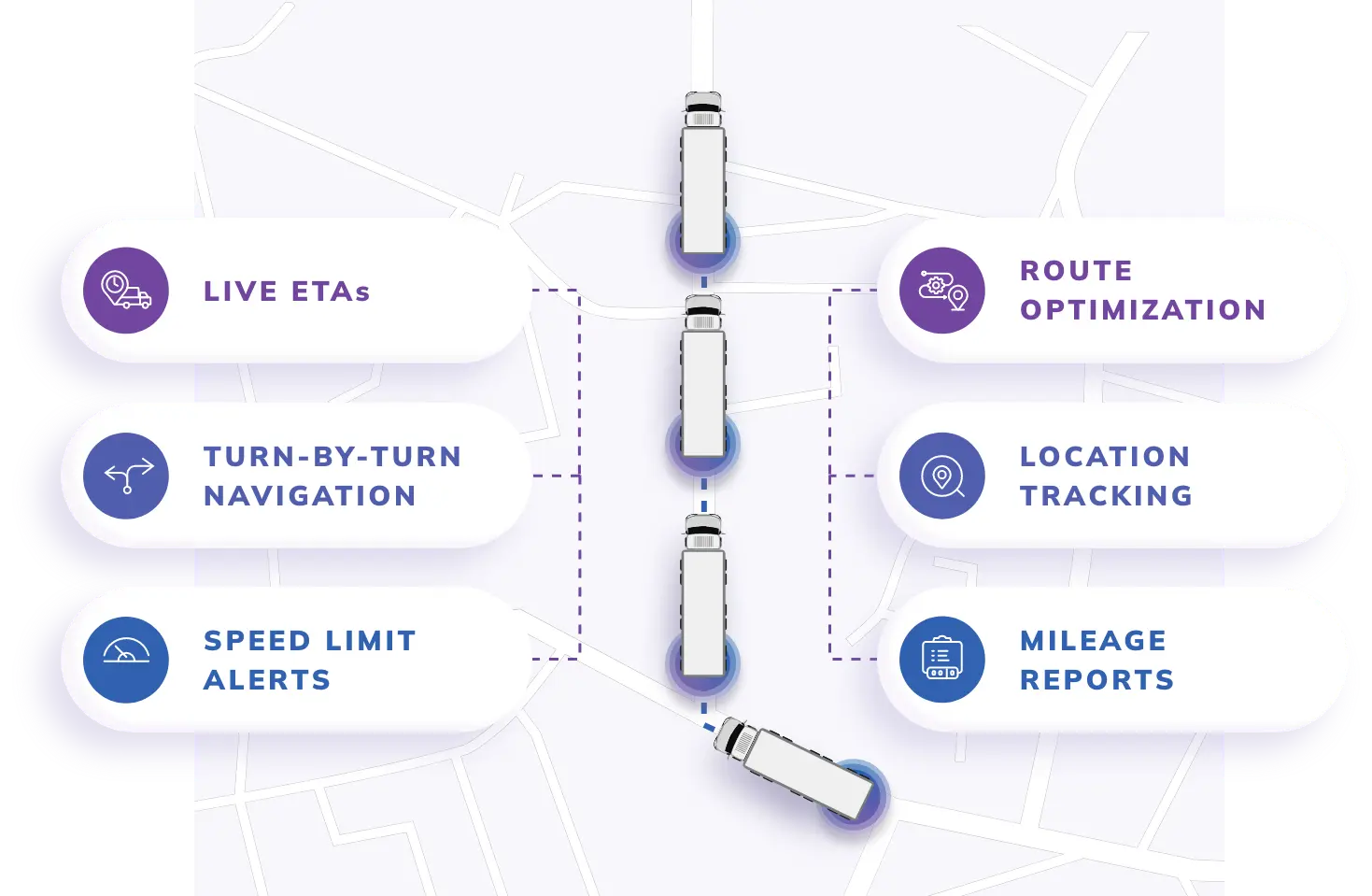
fleet management

4. Last-Mile Delivery Optimization

Improve delivery speed and accuracy using real-time routing and tracking.
Last-mile optimization leverages APIs and live data to dynamically assign deliveries, optimize routes, and provide accurate ETAs. Solutions like NextBillion.ai enable businesses to customize routing logic based on constraints such as delivery time windows, vehicle types, and road restrictions—critical for scaling urban and hyperlocal deliveries.

5. Supplier Collaboration

Enhance communication and coordination with suppliers.
SCM platforms provide shared dashboards, automated alerts, and integrated workflows that improve transparency across suppliers. This reduces delays, minimizes errors, and ensures better alignment between procurement and production teams.

6. Risk and Disruption Management

Respond quickly to delays, shortages, or external disruptions.
With real-time data and scenario modeling, businesses can identify potential risks early and take corrective actions. Whether it’s supply shortages, port congestion, or regulatory changes, SCM systems enable faster, data-driven decision-making to maintain continuity.

These use cases highlight how modern SCM software goes beyond basic planning—enabling real-time, adaptive, and data-driven supply chain operations.
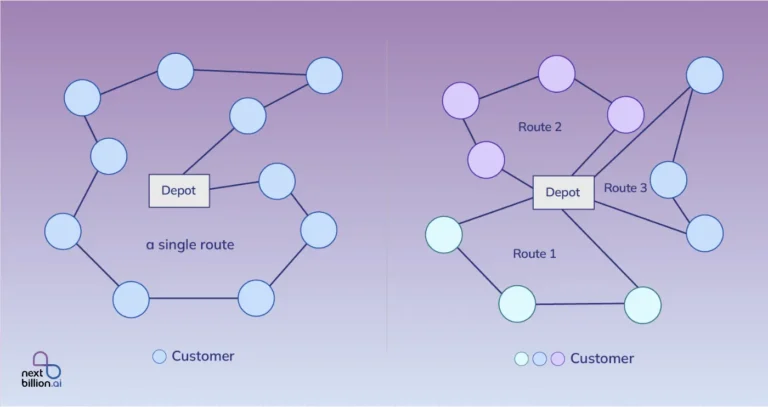

Supply Chain vs Logistics Software: What’s the Difference?

While often used interchangeably, supply chain software and logistics software serve different purposes within operations. Understanding the distinction helps teams choose the right tools or the right combination for their needs.

Aspect

Supply Chain Software

Logistics Software

Scope

End-to-end planning and coordination across suppliers, production, and distribution

Transportation and delivery execution across first-mile, mid-mile, and last-mile

Focus

Procurement, inventory management, demand planning, and supply balancing

Routing, dispatch, fleet management, and delivery tracking

Users

Supply chain planners, procurement teams, and operations leaders

Logistics managers, dispatchers, and fleet operators

Time Horizon

Strategic and mid-term planning (weeks to months)

Real-time and short-term execution (hours to days)

In practice, the line between the two is increasingly blurred. Modern platforms integrate planning with execution to eliminate data silos and improve responsiveness. For example, solutions like NextBillion.ai focus on logistics execution—such as route optimization and real-time tracking—but also feed critical data back into broader supply chain systems for continuous optimization.

For decision-makers, the key is not choosing one over the other, but ensuring both layers work seamlessly together to support end-to-end visibility and control.

How to Choose the Right SCM Software for Your Business

Selecting the right platform depends on your operational complexity, integration requirements, and long-term growth goals. At the decision stage, the focus should be on how well the solution aligns with your workflows—not just feature checklists.

1. Define Your Core Use Case

Are you solving for planning, execution, or both? Start with the primary bottleneck. If your challenge is inaccurate forecasting, prioritize planning tools. If delays and inefficiencies occur during delivery, focus on execution capabilities like routing and dispatch. Many enterprises benefit from a hybrid approach that connects both layers.

2. Evaluate Integration Needs

Ensure the platform integrates with your ERP, telematics, and existing logistics stack.
A strong SCM solution should seamlessly connect with systems such as order management, fleet tracking, and warehouse management. Platforms like NextBillion.ai are designed with API-first architecture, making it easier to integrate routing, mapping, and ETA intelligence into existing workflows without heavy system overhauls.

3. Assess Scalability

Choose a system that can handle growth in orders, regions, and fleet size.
As your operations expand, the software should support higher volumes, multi-region deployments, and increasing operational complexity without performance trade-offs. Cloud-native and API-driven platforms typically offer better scalability than legacy systems.

4. Prioritize Real-Time Capabilities

Static planning is no longer sufficient. Look for dynamic optimization and live updates.
Real-time traffic data, on-the-fly route adjustments, and live tracking are essential for maintaining delivery accuracy and customer satisfaction. This is especially critical in urban logistics and time-sensitive operations.

5. Consider Customization vs Off-the-Shelf

APIs and modular platforms allow more flexibility than rigid, monolithic systems.
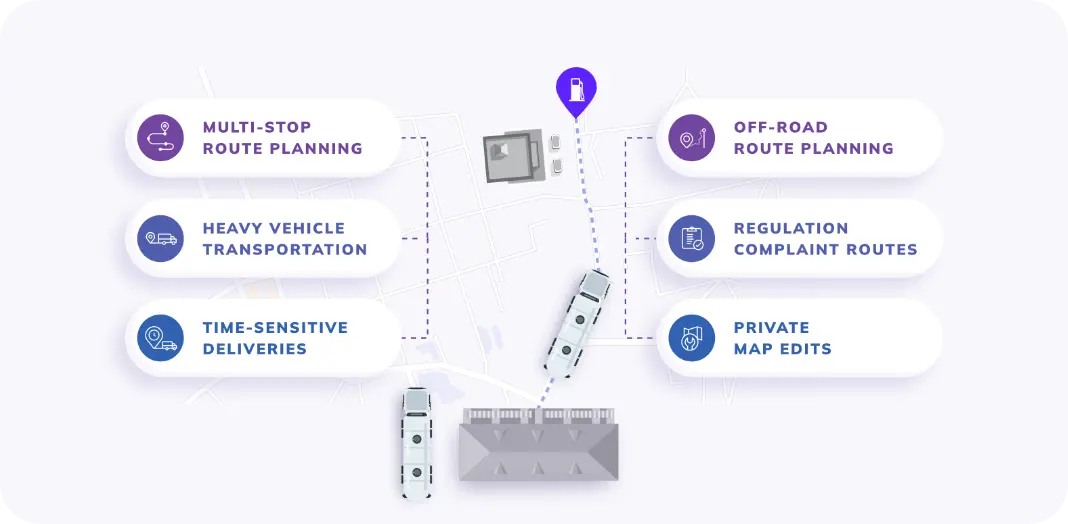
Off-the-shelf solutions may be faster to deploy but often limit customization. In contrast, modular platforms enable businesses to tailor workflows, constraints, and optimization logic to their specific needs—whether it’s avoiding toll roads, handling multi-stop deliveries, or supporting region-specific constraints.

Ultimately, the right SCM software should not only solve current challenges but also provide the flexibility to adapt as your supply chain evolves.

The Role of Route Optimization in Modern Supply Chains

Route optimization has evolved from a backend logistics function into a core supply chain capability. As customer expectations shift toward faster and more predictable deliveries, businesses can no longer rely on static planning or manual routing.

It directly impacts:

  • Delivery speed and reliability – Optimized routes reduce delays and improve on-time delivery performance, even in high-density urban environments.

  • Fuel and operational costs – Efficient routing minimizes distance traveled, idle time, and unnecessary detours, leading to measurable cost savings.

  • Fleet utilization – Better route planning ensures vehicles are used efficiently, reducing empty miles and maximizing delivery capacity.

  • Customer satisfaction – Accurate ETAs and consistent delivery experiences build trust and improve retention.

Modern route optimization systems are designed to operate in dynamic, real-world conditions. They typically use:

  • Real-time traffic data – Continuously adjust routes based on congestion, road closures, and live conditions.

  • Delivery constraints (time windows, vehicle capacity) – Ensure routes comply with operational limitations and service-level agreements.

  • AI-based rerouting – Automatically recalculate optimal routes when disruptions occur, such as delays or last-minute order changes.

For logistics-heavy businesses, relying solely on built-in SCM modules often limits flexibility. Integrating a dedicated routing engine via APIs—such as NextBillion.ai—provides greater control over routing logic, customization, and scalability. This approach allows teams to tailor optimization strategies to specific regions, fleet types, and business rules, making it a critical component of modern, high-performance supply chains.

Best Supply Chain Software for Logistics-Driven Enterprises

For companies where logistics execution is the primary challenge—such as last-mile delivery, field services, or large-scale distribution—the most effective approach is not a single tool, but a well-integrated technology stack.

1. Core SCM Platform

For planning, inventory, and order management (e.g., SAP, Oracle)
These platforms handle upstream supply chain functions such as demand planning, procurement, and inventory control. They act as the system of record for orders, stock levels, and enterprise-wide coordination.

2. Transportation Management System (TMS)

For shipment planning and carrier management
A TMS bridges the gap between planning and execution by optimizing shipment consolidation, selecting carriers, and managing freight costs. It ensures efficient movement of goods across mid-mile and long-haul transportation networks.

3. Route Optimization API Layer

For real-time, constraint-based routing and dispatch
A dedicated routing layer powered by APIs like NextBillion.ai enables granular control over last-mile and field operations. This includes dynamic route optimization, live tracking, ETA predictions, and the ability to factor in complex constraints such as time windows, vehicle types, and road restrictions.

This modular approach allows businesses to:

  • Customize routing logic – Tailor optimization strategies to match operational realities, from avoiding tolls to handling multi-stop deliveries.

  • Integrate multiple data sources – Combine inputs from ERP systems, telematics, traffic feeds, and customer data for better decision-making.

  • Scale operations across regions – Adapt quickly to new geographies, regulatory environments, and infrastructure challenges without rebuilding the entire system.

For logistics-driven enterprises, this layered architecture offers both control and flexibility—ensuring that execution keeps pace with planning in increasingly complex supply chain environments.

Final Takeaway

Supply chain software in 2026 is defined by flexibility, real-time intelligence, and seamless integration across systems. While enterprise SCM platforms provide a strong foundation for planning and coordination, logistics-driven enterprises unlock the most value by extending these systems with specialized execution layers—especially for routing, dispatch, and last-mile operations.

In practice, this means combining core platforms with API-first solutions like NextBillion.ai to gain finer control over real-time decisions. This approach enables businesses to move beyond static workflows and build adaptive, data-driven supply chains that respond instantly to on-ground conditions.

Ultimately, choosing the right solution is less about feature breadth and more about operational fit. The ideal stack should align with your workflows, integrate cleanly with your existing systems, and scale as your network grows—ensuring both planning and execution evolve together.

About Author

Shivangi Singh

Shivangi is a seasoned Technical Writer with a passion for simplifying technical concepts. With over 5 years of experience, she specializes in crafting clear and concise documentation for various technical products and platforms.

Ready to get started?

Table of Contents