


Table of Contents
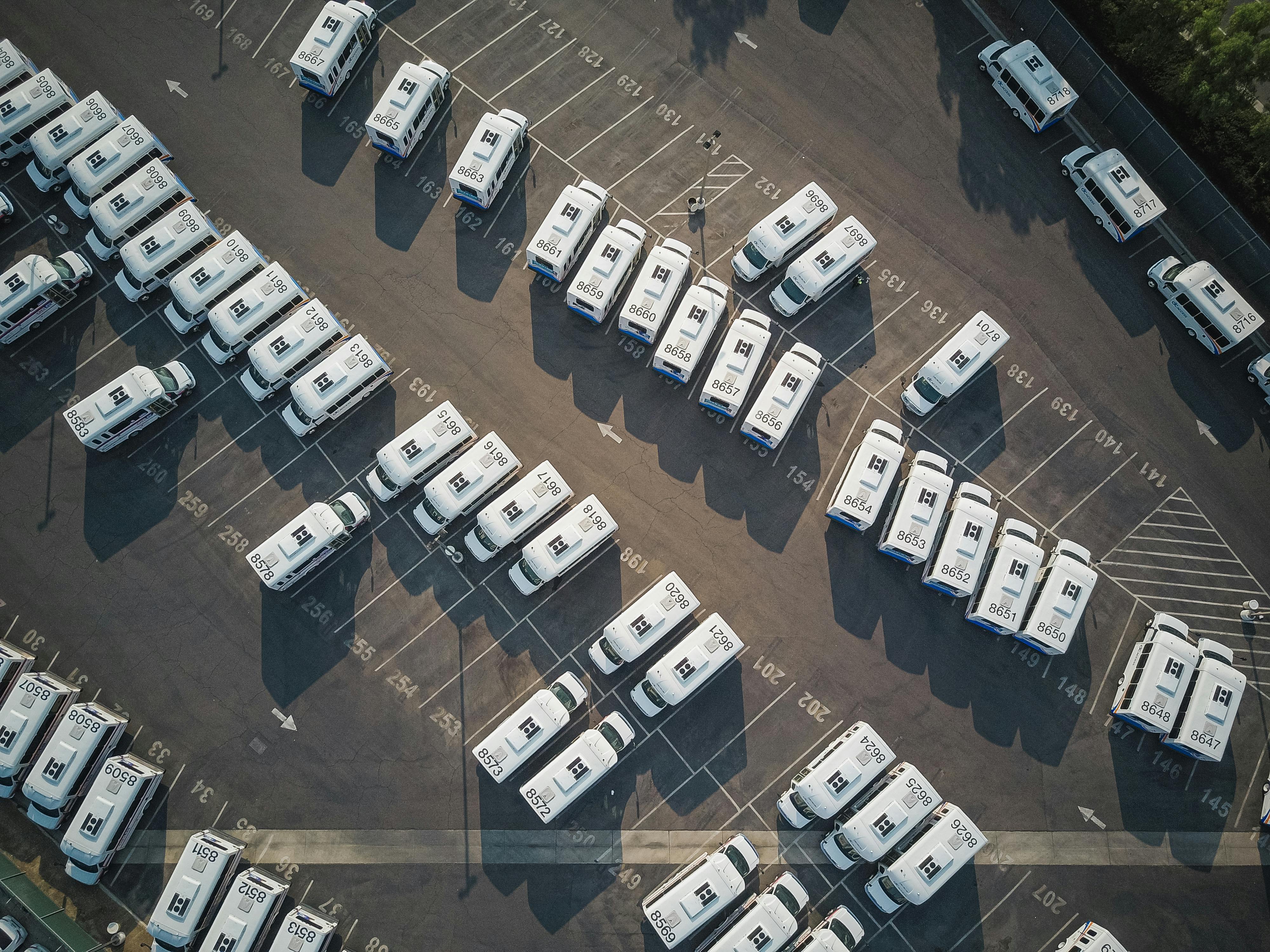
There are two giants in the world of maintenance strategies, Preventive Maintenance and Reactive Maintenance. Both of these methodologies are critical in the development of the operational philosophy of the contemporary fleets. Fundamentally, they are two contrasting worldviews, one based on anticipation and system awareness, and the other one based on waiting to fail.
Reactive maintenance is only done when a breakdown has occurred. The damage is already done by this time. Cargo halts on the highway, supply chains come to a halt, cars are repaired at inflated prices, and delivery schedules are ruined. It is a plan that is characterized by crisis management but not operational control.
Preventive maintenance (PM) is preemptive. It makes sure that vehicles are maintained in time, vital components are checked before breakdown, and problems are identified in time. Rather than combating crises, PM creates a reserve of trustworthiness around the fleet. This transformation defends uptime instead of addressing downtime, transforming maintenance into a strategic asset.
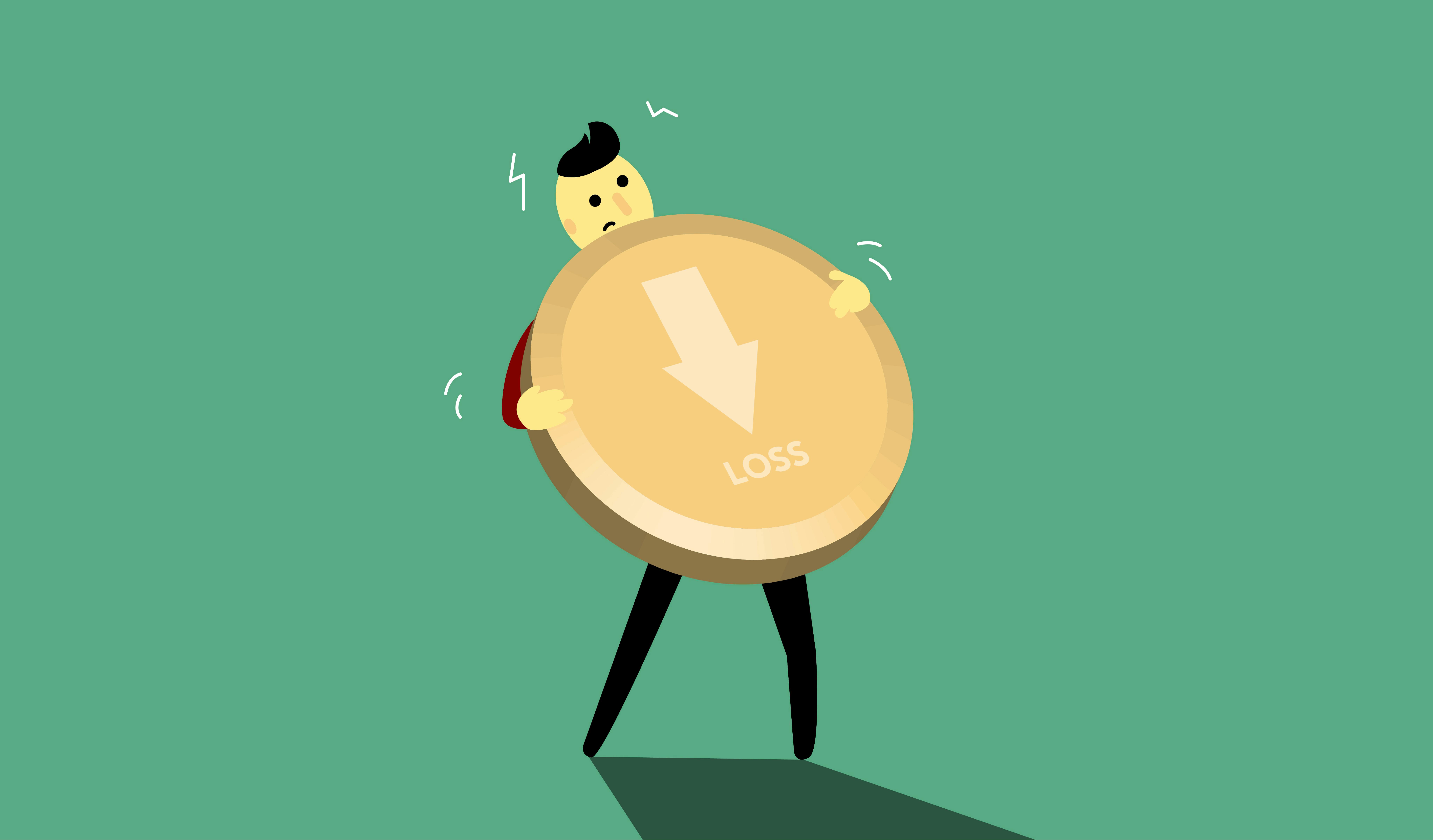
Reactive to Preventative Maintenance is not a simple operational change; it is a paradigm shift in the way a fleet is structured in addressing the risk, cost, and asset health. Although Reactive Maintenance seems to be less expensive at the moment since nothing is paid until something fails, it is just an illusion. It attributes the concealed costs of downtime, lost revenues, emergency repairs, and degradation of assets.
Preventive Maintenance on the other hand is a planned investment. It stabilizes the operating cost, secures the asset value, mitigates volatility, and provides predictability of operations. In the long run, this change has a fleet that is not only in good condition but systematically more profitable.
In simple terms:
Below is how Preventive Maintenance produces a truly well-maintained fleet:
Frequent checks of belts, fluids, tires, and brakes help technicians to determine fatigue patterns well before failure. PM transforms failures into a planned service instead of disastrous breakdowns. This safeguards delivery schedules, lessens towing accidents, prevents expensive emergency maintenance, and maintains the productivity of the drivers.
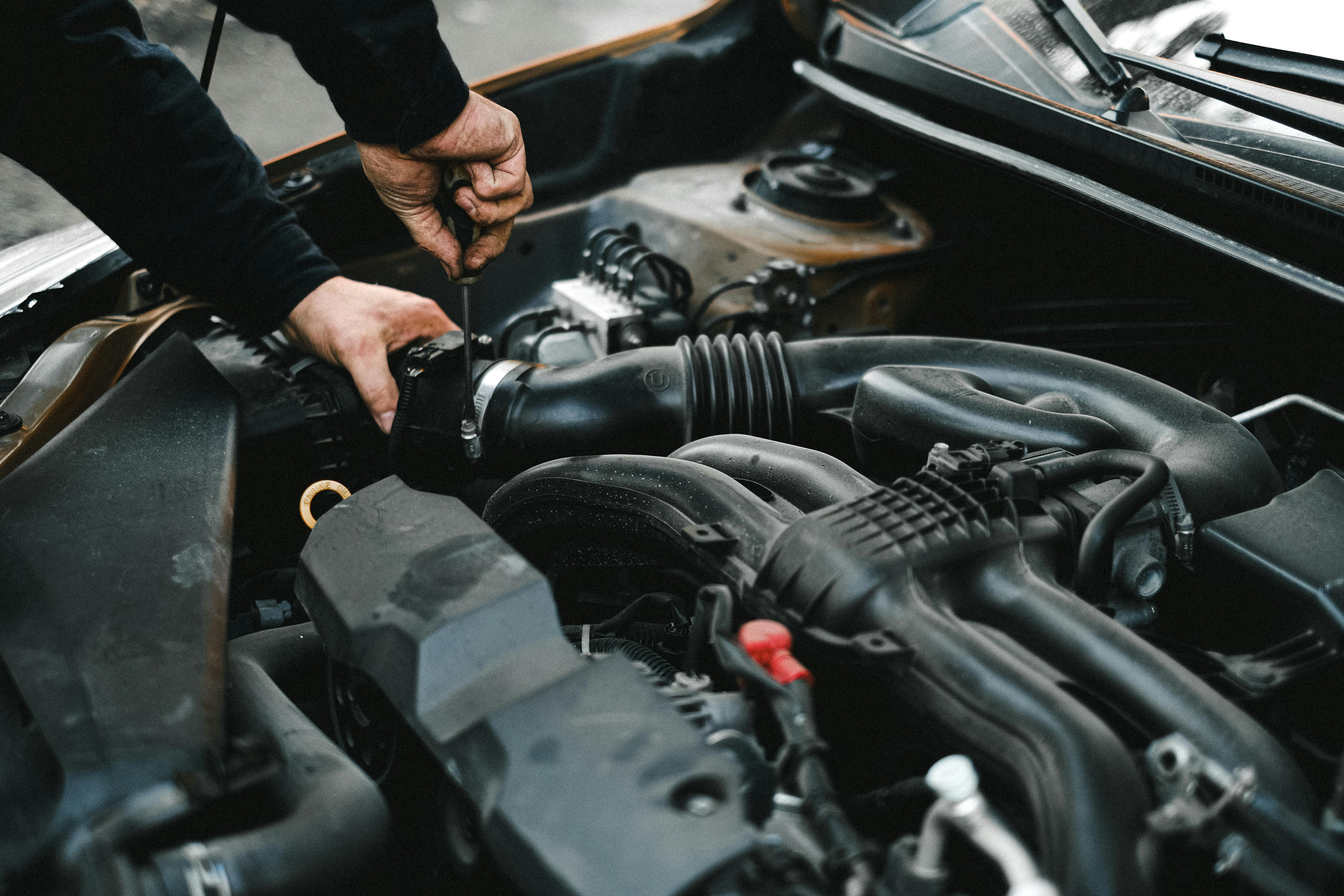
Mechanical failures follow a chain-reaction logic. A $50 hose ignored becomes a $5,000 engine failure. A worn brake pad becomes a damaged rotor. PM interrupts these chains early. By managing repairs at low costs and predictability, PM is changing the maintenance budgets from the state of being volatile and reactive to stable and optimized.

The efficiency of fuel consumption is a mechanical result. Friction and engine load are minimized by clean filters, proper tire pressure, and frequently replaced oil. In cases where the engines are working as intended, fuel is used more efficiently. Even a slight percentage increase in mileage across a fleet yields huge financial payouts, and PM is a savings generator on a daily basis.
Preventive Maintenance is a form of stress management of vehicles. New oil reduces internal friction, replacement of brakes in time preserves the rotors, and healthy fluids decreases thermal stress. In the long run, this reduces the structural wear, increases the lifespan of the components, and postpones the necessity of expensive vehicle replacements. PM transforms the lifespan of assets as an uncertainty to a variable that can be controlled.
Reactive maintenance brings about prolonged, unpredictable downtime. Preventive Maintenance makes sure that the downtime is minimal and planned. Fleets do not lose vehicles days in advance because of unexpected failures but an hour or two during planned service periods. This balances the number of vehicles and maximizes revenue generating capacity.
The state of the vehicle plays a major role in road safety. Accidents are prevented by responsive brakes, high tread tires, and working lights. PM makes sure such safety critical systems perform optimally. The outcome is improved security of the drivers, cargo, and people, and less liability on the company.
Breakdowns are one of the biggest disruptors of delivery performance. When vehicles rarely fail, fleets hit their delivery windows consistently. Meeting SLAs strengthens customer trust, improves long-term retention, and enhances the company’s reputation as a reliable service partner.
The operations of the fleet should correspond to high standards of regulation connected with safety, emissions, and roadworthiness. Preventive Maintenance is in accordance or beyond these requirements whereby all vehicles are made to be compliant. This decreases the chances of fines, citation, forced downtime, or inspection failures.
When vehicles reach retirement, their resale value is determined largely by their maintenance history. A clean and well documented PM record indicates that the asset has been taken care of in a responsible manner. The price paid by buyers increases, and the results of the auction become better, and the company receives a higher percentage of its initial investment.
Maintenance of fleets is not merely a mechanical task anymore, it is an information issue. Failure, ineffectiveness, and safety hazards do not happen because of one failed component; they come in forms of patterns: unnecessary mileage, inefficient routing, rough driving, overweight vehicles, unnecessary idle time, and blind spots in the visibility of operation. Reactive maintenance is a failure since it only considers each incident as a single event rather than seeing the system-wide state that led to the incident.
NextBillion.ai solves this by turning fleets into intelligent, self-optimizing systems.
It combines real time telemetry, spatial intelligence, algorithmic routing, and behavioral analytics to reveal the latent forces of operation which hasten wear and tear. Fleets can predict, plan, and avoid faults before they occur rather than waiting until they do.
Simply put, NextBillion.ai is the technological basis of an ecosystem of predictive maintenance, in which the risk is recognized early, vehicle use is optimized, and asset life becomes a variable to be controlled instead of a guess.
Below is a deeper conceptual look at how each component enables this transformation.
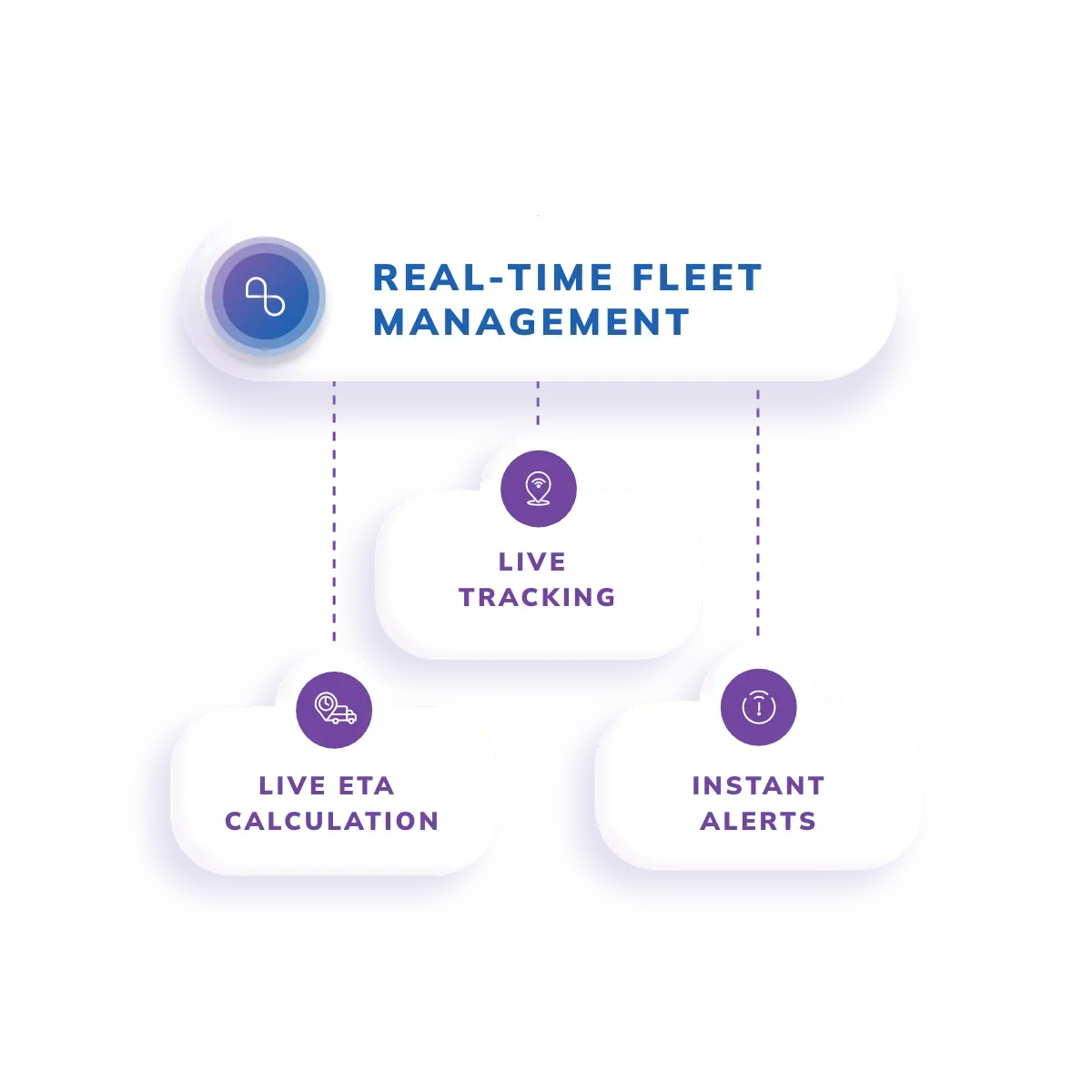
The quality of the miles covered is a key factor that determines the degradation of the vehicle, not the number. The Route Optimization API of NextBillion.ai makes sure that vehicles move in the most fuel-efficient and least harmful way.
Conceptual advantages for maintenance:
Live Tracking turns the maintenance system into a behavior-driven health model rather than a mileage-driven maintenance system; it is much more precise and economical.
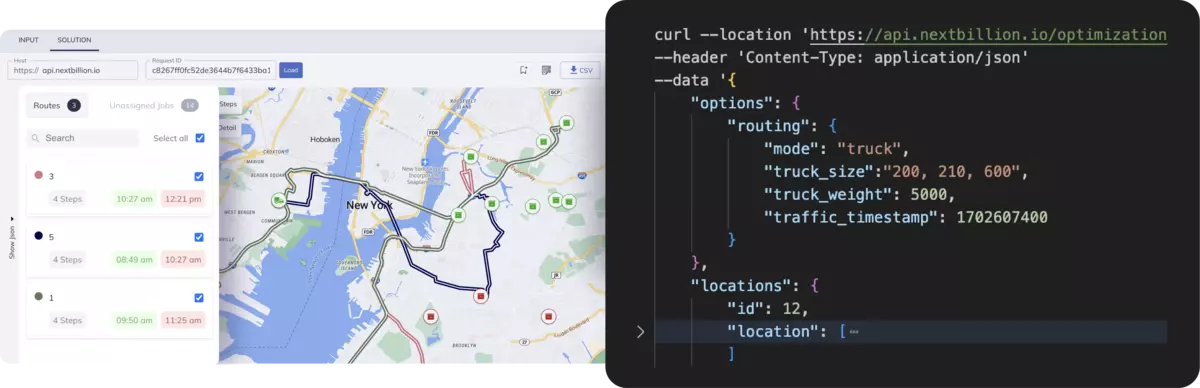
Vehicle degradation is strongly influenced by the quality of the miles driven—not just the quantity.
NextBillion.ai’s Route Optimization API ensures vehicles travel through the environment in the least damaging, most fuel-efficient way possible.
Conceptual contributions to maintenance:
This shifts routing from a logistics decision to a predictive maintenance control mechanism.
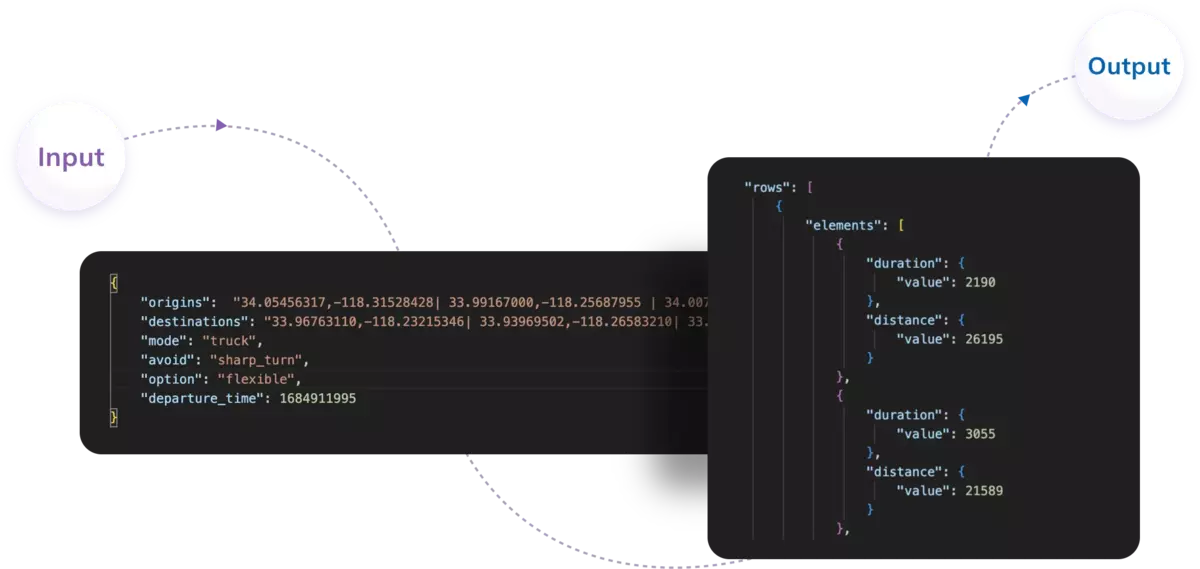
Although the routing defines the movement of vehicles, the Distance Matrix API is a model of the larger mathematical correlations between distance, time, traffic, and load of operation.
Basically, this API is supporting:
The Distance Matrix API therefore constitutes the analytical layer which converts reactive service schedules into predictive and usage-calibrated maintenance schedules.
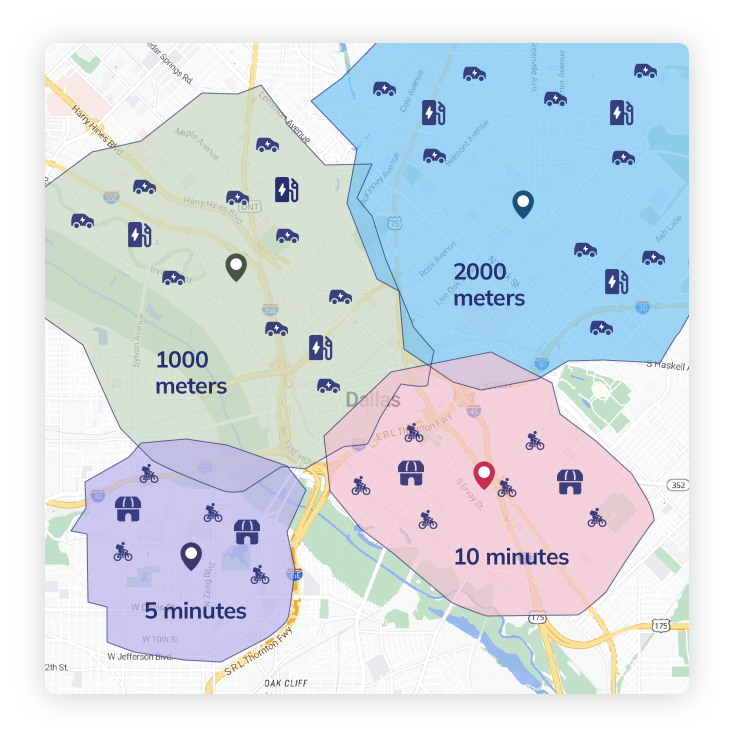
A lot of maintenance problems are not due to mechanical design but exposure to the environment, bad roads, unsafe places, overloading zones, or idle heavy logistic hubs. Geofencing API allows fleets to encode operational wisdom into spatial boundaries.
The main benefits are:
This API makes geography a predictive maintenance parameter.
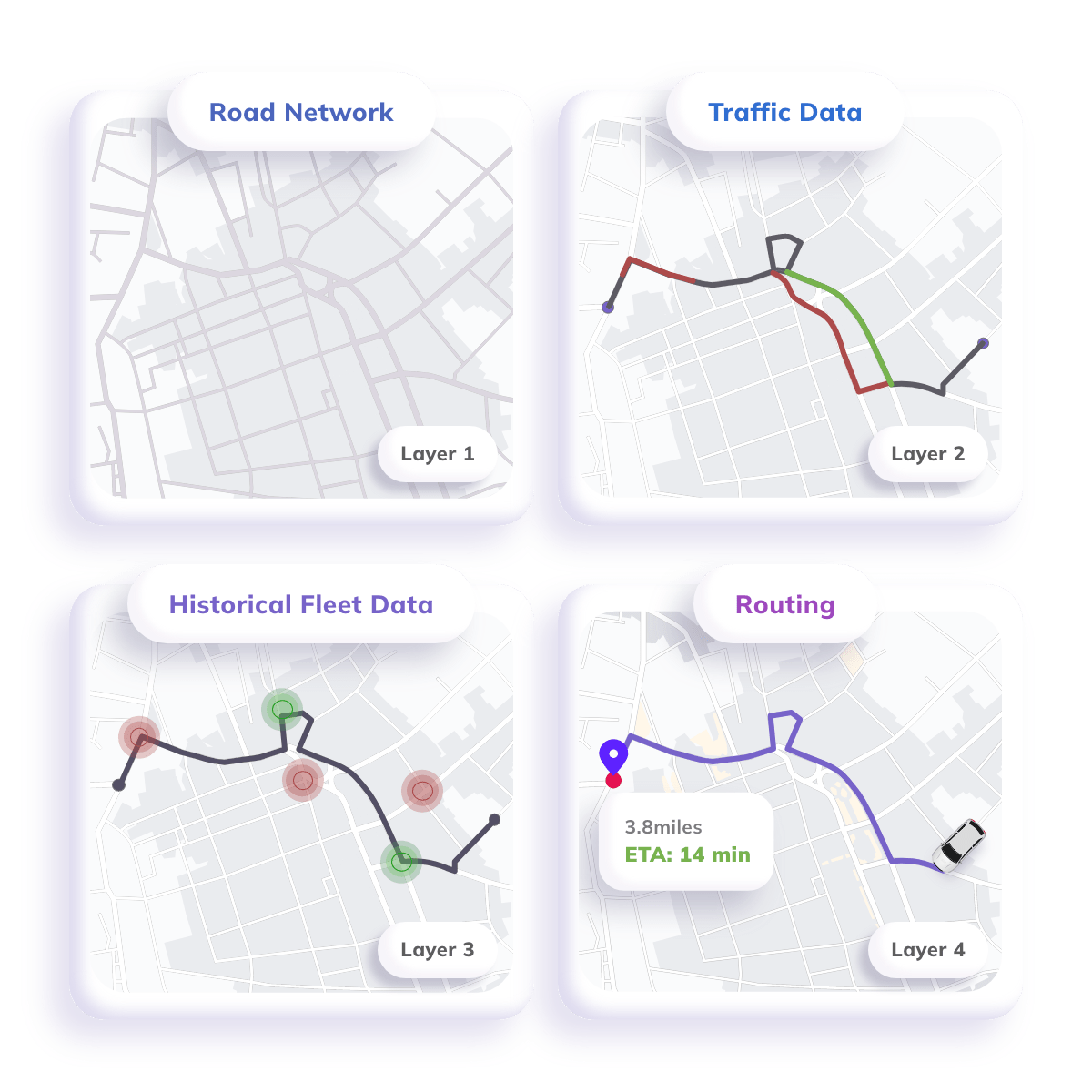
Driver behavior is one of the largest hidden drivers of maintenance costs. The Navigation SDK improves not just navigation accuracy but the quality of driving.
Conceptually, the Navigation SDK enables:
Ultimately, the Navigation SDK embeds maintenance intelligence directly into the driver’s workflow, shaping behavior that extends asset life.